
Baby’s Teething Toys – Soft, Safe & Easy to Hold 2026
Shop baby’s teething toys designed for little hands. Safe materials, soothing textures, and durable designs.

Why Baby Toys Matter More Than You Think
During the first year of life, babies experience rapid growth. Their brains form new connections at an incredible rate. Every touch, sound, texture, and movement helps build neural pathways.
The right toys:
Support fine and gross motor skills
Encourage sensory exploration
Help with emotional regulation
Promote cognitive development
Provide comfort during teething
Choosing high-quality baby development toys ensures that playtime becomes learning time.
Baby’s Teething Toys: Comfort, Safety, and Development
Teething is a major milestone. It often begins around 4–6 months of age and can last until toddlerhood. During this time, babies may experience discomfort, drooling, irritability, and a strong desire to chew.
That’s where baby’s teething toys become essential.
Why Teething Toys Are Important
Teething toys:
Soothe sore gums
Reduce fussiness
Encourage oral motor development
Help babies self-soothe
Properly designed baby teething toys provide relief while being completely safe for chewing.
What to Look for in Baby’s Teething Toys
Not all teething toys are created equal. Safety is the number one priority.
1. Safe Materials
Choose toys made from:
BPA-free silicone
Natural rubber
Food-grade materials
Non-toxic plastics
Avoid harmful chemicals and always check certifications.
2. Easy-to-Grip Design
Babies are still developing hand coordination. The best baby teething toys feature:
Lightweight construction
Textured surfaces
Soft, flexible edges
3. Multiple Textures
Different textures massage gums and stimulate sensory development.
4. Easy to Clean
Teething toys should be washable and hygienic.
Types of Baby Teething Toys
Silicone Teethers
Soft, durable, and easy to sanitize. Perfect for everyday use.
Water-Filled Teethers
Can be chilled in the refrigerator for extra soothing comfort.
Wooden Teethers
Natural and eco-friendly options (ensure they are untreated and safe).
Teething Rings with Textures
Provide multiple surfaces to chew and explore.
Each type of baby teething toys offers unique benefits depending on your baby needs.
Baby Development Toys: Building Skills Through Play
Babies learn by interacting with their environment. The right baby development toys stimulate senses and encourage curiosity.
Developmental Benefits of Baby Toys
High-quality development toys can help with:
Hand-eye coordination
Fine motor skills
Problem-solving
Sensory awareness
Early language skills
Play is not just fun—it’s foundational learning.
Developmental Milestones and Toy Recommendations
0–3 Months
High-contrast toys
Soft rattles
Crinkle fabrics
These support visual and auditory development.
3–6 Months
Textured toys
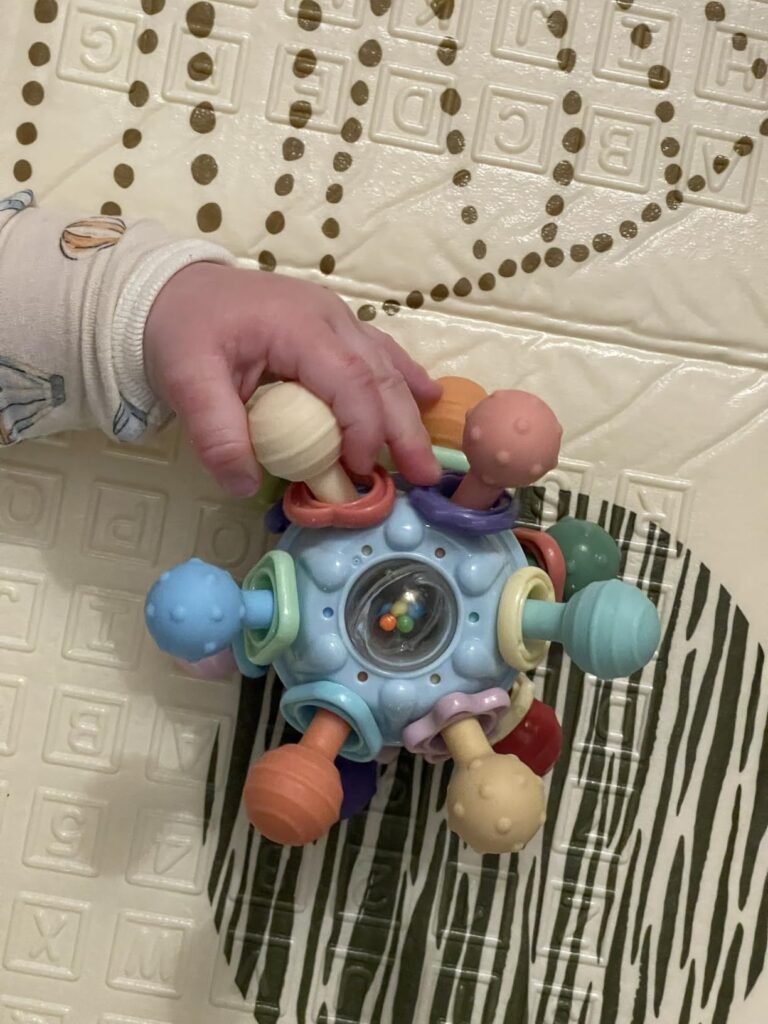
Teethers
Lightweight grasp toys
Perfect for babies beginning to explore with their hands and mouth.
6–12 Months
Stacking toys
Musical toys
Activity cubes
These encourage coordination and cause-and-effect learning.
Baby Bath Toys: Making Bath Time Fun and Safe
Bath time is more than hygiene—it’s a sensory experience. The right baby bath toys transform bath routines into joyful learning moments.
Benefits of Baby Bath Toys
Encourage water confidence
Improve hand coordination
Stimulate sensory play
Reduce bath-time anxiety
Bath play helps babies associate water with fun instead of fear.
Choosing Safe Baby Bath Toys
Safety is critical in water environments.
What to Look For:
Mold-resistant materials
BPA-free construction
Smooth edges
Easy-to-drain design
Avoid toys that trap water inside, as they may develop mold.
Popular Types of Baby Bath Toys
Floating Animals
Colorful and fun, these stimulate visual tracking.
Stacking Cups
Encourage pouring, filling, and coordination.
Water Wheels
Teach cause and effect through movement.
Soft Waterproof Books
Promote early literacy even in the tub.
High-quality baby bath toys make bath time both educational and entertaining.
Baby Girl Toys: Encouraging Creativity and Growth
While all toys should support development regardless of gender, many parents search specifically for baby girl toys that reflect colors or themes they love.
It’s important to focus on skill-building rather than stereotypes.
What Makes Great Baby Girl Toys?
The best baby girl toys:
Encourage sensory exploration
Promote creativity
Support motor skill development
Are safe and age-appropriate
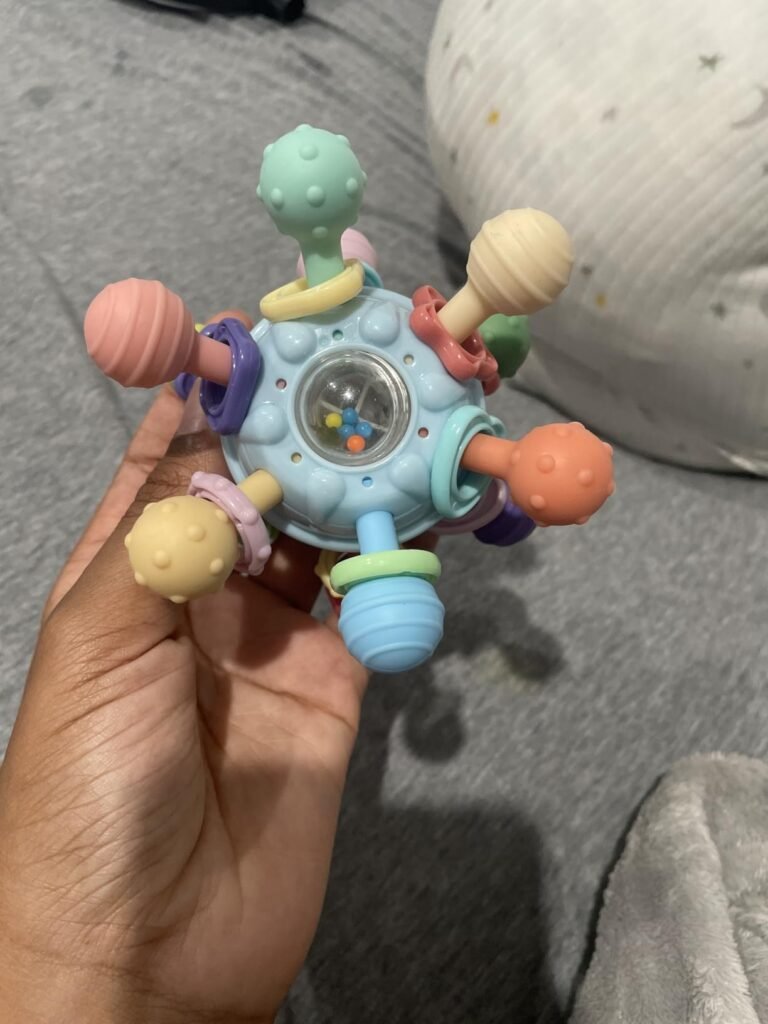
Soft dolls, musical toys, stacking rings, and interactive plush toys are wonderful option
Safety Guidelines for All Baby Toys
Before purchasing any toy, consider these safety guidelines:
Check for choking hazards
Avoid sharp edges
Ensure durability
Verify age recommendations
Inspect regularly for wear and tear
When choosing baby’s teething toys, baby development toys, or baby bath toys, safety should always come first.
How Toys Support Emotional Development
Toys aren’t just physical tools—they help build emotional intelligence.
Babies develop:
Self-soothing skills (through teething toys)
Confidence (through independent play)
Social awareness (through interactive toys)
Play helps babies feel secure and supported.
Sensory Play and Brain Development
Sensory stimulation builds neural connections.
Textures, sounds, and colors in baby development toys encourage:
Curiosity
Focus
Memory formation
Cognitive flexibility
The first year of life is critical for brain growth, making toy selection especially important.
Eco-Friendly and Sustainable Baby Toys
Many parents today prefer environmentally friendly options.
Look for:
Organic materials
Natural rubber
Sustainably sourced wood
Recyclable packaging
Sustainable choices protect both your baby and the planet.
Cleaning and Maintenance Tips
Keeping toys clean is essential.
Teething Toys
Wash daily with warm soapy water
Sterilize if recommended
Store in clean containers
Bath Toys
Rinse thoroughly after use
Air dry completely
Check for mold regularly
Proper maintenance extends the life of baby bath toys and baby’s teething toys.
Frequently Asked Questions
When should I introduce baby’s teething toys?
Most babies begin teething around 4–6 months, but signs may appear earlier.
Are silicone teething toys safe?
Yes, if they are food-grade and BPA-free.
How many baby development toys does my baby need?
Quality matters more than quantity. A few versatile toys are enough.
How do I prevent mold in baby bath toys?
Choose toys without holes or ones designed to drain completely.
Are baby girl toys different from other toys?
Developmentally, no. Focus on skill-building and safety rather than gender labeling.
Creating a Balanced Toy Collection
A well-rounded toy collection might include:
2–3 baby’s teething toys
3–5 baby development toys
A few safe baby bath toys
Soft, comforting baby girl toys
Rotating toys keeps babies engaged and prevents overstimulation.
The Long-Term Benefits of Smart Toy Choices
Choosing thoughtfully designed toys supports:
Healthy gum development
Strong motor skills
Early problem-solving
Emotional regulation
Confidence building
The right toys lay the groundwork for lifelong learning.
Advanced Guide to Baby’s Teething Toys and Early Oral Development
Teething is not just about discomfort — it plays a critical role in oral and jaw development. When babies chew on baby’s teething toys, they are strengthening jaw muscles that will later support speech and eating skills.
How Teething Impacts Development
Teething stimulates:
Oral sensory awareness
Muscle coordination
Jaw alignment
Early speech foundations
Chewing is one of the earliest forms of muscle exercise for infants. High-quality baby teething toys support this developmental phase safely.
Signs Your Baby Needs Teething Relief
Parents often wonder whether fussiness is due to teething or something else.
Common signs include:
Increased drooling
Gnawing on fingers
Swollen gums
Mild irritability
Slight sleep disruption
Offering safe baby’s teething toys at the first signs can help soothe discomfort before it escalates.
The Science Behind Baby Development Toys
The first year of life is often referred to as the “golden window” of brain development. Neural connections form rapidly based on sensory input and repetition.
High-quality baby development toys help stimulate:
1. Cognitive Growth
Stacking and sorting toys introduce early problem-solving.
2. Motor Skill Development
Grasping and shaking toys refine hand control.
3. Visual Tracking
Bright, contrasting toys improve eye coordination.
4. Cause-and-Effect Learning
Pressing a button and hearing sound teaches logical sequencing.
Every interaction strengthens neural pathways.
How to Rotate Baby Development Toys for Maximum Engagement
Instead of overwhelming your baby with too many toys, try toy rotation.
Benefits of Toy Rotation
Prevents overstimulation
Encourages deeper focus
Keeps playtime exciting
Promotes independent play
Keep 4–6 toys accessible at a time and rotate weekly. This method maximizes the value of your baby development toys collection.
Creating a Safe and Stimulating Bath Time Routine
Bath time offers rich sensory stimulation: water temperature, splashing sounds, floating movement, and tactile experiences.
How Baby Bath Toys Support Learning
Well-designed baby bath toys help babies learn:
Water pouring concepts
Floating vs sinking
Hand coordination
Sensory exploration
Pouring water from one cup to another teaches volume and control — even at a very young age.
Preventing Mold in Baby Bath Toys
One of the biggest concerns with baby bath toys is mold growth.
Prevention Tips:
Choose sealed toys
Squeeze out water immediately after use
Dry completely before storing
Disinfect weekly
Mold-resistant designs are ideal for long-term hygiene.
Emotional Security Through Familiar Toys
Babies thrive on familiarity. Certain toys become comfort objects.
Baby’s teething toys may serve as soothing tools during naps or stressful situations. Soft baby girl toys like plush dolls can provide emotional reassurance.
Comfort items help babies:
Self-soothe
Reduce anxiety
Transition between activities
Build independence
Understanding Textures and Sensory Play
Different textures activate different sensory receptors.
High-quality toys often include:
Smooth silicone
Soft rubber
Ridged surfaces
Crinkle fabrics
Gentle rattles
These sensory variations in baby development toys stimulate brain activity and curiosity.
Supporting Fine Motor Skills Through Play
Fine motor skills involve small muscle movements in hands and fingers.
Activities that improve fine motor development:
Grasping rings
Stacking blocks
Holding lightweight rattles
Squeezing bath toys
When babies manipulate baby bath toys or chew on textured baby teething toys, they’re practicing coordination.
Choosing Toys Based on Age and Stage
Not every toy is appropriate for every stage.
0–6 Months
Focus on:
Soft, lightweight materials
Simple shapes
Gentle textures
6–9 Months
Babies start sitting and reaching:
Stacking toys
Teethers with varied shapes
Interactive sensory toys
9–12 Months
Exploration increases:
Problem-solving toys
Cause-and-effect toys
More structured baby development toys
Matching toys to developmental stage improves engagement and safety.
Gender-Neutral vs Themed Baby Girl Toys
Many parents search specifically for baby girl toys, often favoring certain colors or themes.
However, developmental value matters more than design.
Great baby girl toys:
Encourage creativity
Support sensory growth
Promote coordination
Are safe and durable
Soft dolls, stacking rings, and musical toys all provide developmental benefits regardless of color.
Travel-Friendly Baby Toys
Parents often need portable options.
Best travel-friendly toys:
Lightweight teethers
Compact stacking cups
Soft plush toys
Small sensory rattles
Portable baby’s teething toys are especially useful during car rides or flights.
Storage Solutions for Baby Toys
Organization keeps toys clean and extends their lifespan.
Smart Storage Tips
Use breathable bins
Separate bath toys from dry toys
Keep teething toys in sanitized containers
Rotate toys regularly
Good storage prevents damage and contamination.
How to Introduce New Toys Properly
When introducing new baby development toys:
Present one toy at a time
Demonstrate briefly
Allow independent exploration
Observe engagement
Babies learn best when allowed to explore at their own pace.
The Role of Parent Interaction
Toys are tools, but interaction amplifies learning.
Talking, smiling, and engaging during play:
Enhances language development
Strengthens emotional bonds
Encourages curiosity
For example, during bath time, narrating actions while using baby bath toys builds vocabulary.
Budgeting for Baby Toys Wisely
Parents don’t need dozens of toys.
A well-rounded collection might include:
2–3 baby’s teething toys
4–6 baby development toys
A few safe baby bath toys
2–3 comforting baby girl toys
Quality over quantity ensures better durability and developmental value.
Common Mistakes Parents Make
Avoid these mistakes:
Buying too many toys
Ignoring age recommendations
Choosing toys with small detachable parts
Forgetting to clean regularly
Prioritizing appearance over safety
Being mindful improves both safety and value.
Long-Term Developmental Impact
Early play shapes lifelong learning patterns.
Benefits of investing in high-quality toys include:
Stronger coordination
Early problem-solving skills
Improved emotional regulation
Better adaptability
These early experiences contribute to school readiness later on.
Building a Healthy Play Environment
Create a dedicated play area that:
Is free of hazards
Has soft flooring
Provides open exploration space
Is calm and uncluttered
A safe environment enhances the value of all baby development toys.
Encouraging Independent Play
Independent play helps babies:
Develop focus
Build confidence
Learn patience
Strengthen creativity
Rotate toys and avoid constant overstimulation to encourage deeper engagement.
Final Extended Conclusion
Choosing the right baby’s teething toys, engaging baby development toys, safe baby bath toys, and thoughtfully designed baby girl toys supports far more than entertainment. These items contribute to physical growth, cognitive expansion, sensory awareness, and emotional security during the most important developmental stage of life.
When selecting toys, prioritize:
Safety certifications
Durable materials
Age-appropriate design
Easy maintenance
Developmental value
Play is the foundation of learning. With intentional choices, every chew, splash, shake, and stack becomes a building block for healthy development.