
Heated Water Hose | Freeze-Free Winter Use 2026
Shop heated water hoses designed to prevent freezing in cold weather. Durable, safe, and ideal for winter conditions.
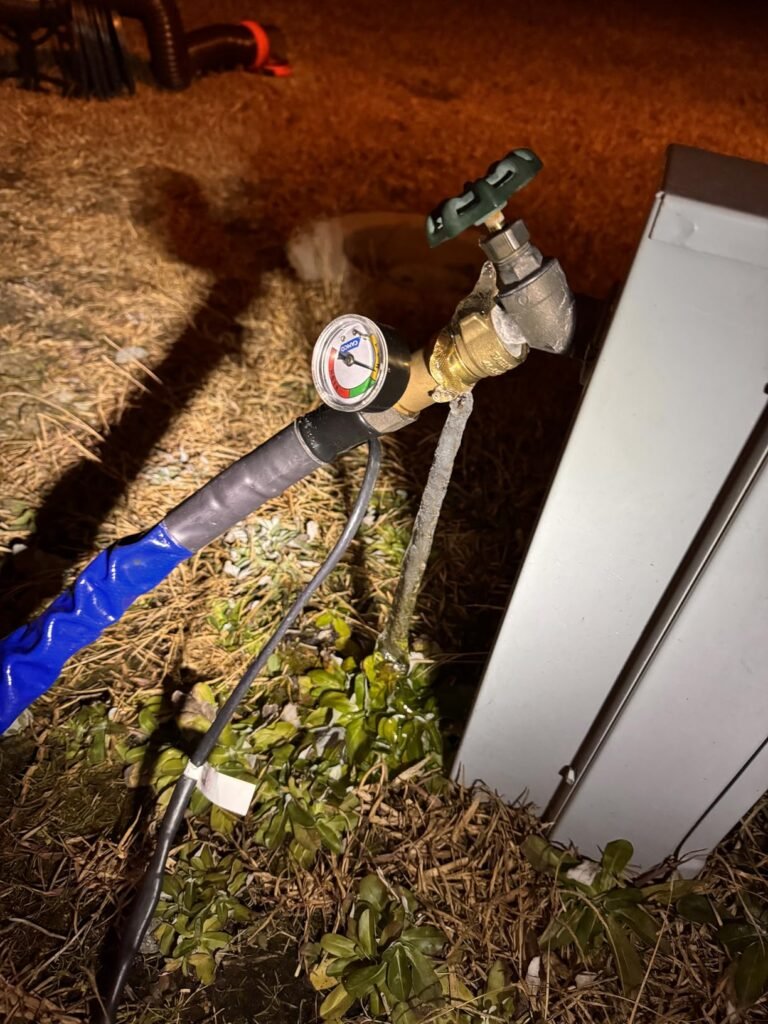
Why Freezing Water Is a Serious Problem
Water expands when it freezes. Inside a regular hose, that expansion creates pressure that can:
Split the hose lining
Crack fittings
Block water supply
Damage RV plumbing systems
Lead to costly repairs
When you’re traveling or living in colder environments, preventing frozen water lines isn’t optional — it’s essential.
What Is a Heated Water Hose?
A heated water hose is a specially designed hose that includes an integrated heating element. This element runs along the length of the hose and maintains a temperature high enough to prevent water from freezing inside.
Unlike wrapping a hose with temporary heat tape, these hoses are built specifically for cold-weather performance and safety
- They are commonly used by:
RV owners
Winter campers
Tiny home residents
Homeowners in freezing climates
Outdoor agricultural setups
How a Heated RV Water Hose Works
A heated RV water hose typically contains:
A drinking-water-safe inner hose
Insulation layer
Built-in heating cable
Weather-resistant outer jacket
Thermostat control (automatic in many models)
When plugged into a power source, the heating element activates as temperatures drop. Many modern versions include automatic thermostats that turn on only when needed, conserving energy.
Why RV Owners Need Cold-Weather Protection
RV plumbing systems are more exposed than traditional home systems. Water lines often run externally, making them highly vulnerable to freezing.
Using a heated water hose for RV setups helps:
Maintain steady water flow
Prevent internal pipe damage
Avoid costly emergency repairs
Ensure comfort during winter camping
For anyone traveling in freezing temperatures, this accessory becomes a necessity rather than a luxury.
Key Features to Look For
Not all hoses are created equal. Here’s what matters most.
1. Length Options
Choose a length that matches your setup. Common sizes range from 15 to 50 feet. Avoid unnecessary excess length, as longer hoses may require more energy to maintain heat.
2. Temperature Rating
Some hoses are rated for mild frost, while others handle extreme sub-zero conditions. Check the minimum temperature rating before purchasing.
3. Drinking Water Safety
Always confirm that the interior lining is certified safe for potable water.
4. Automatic Thermostat
An automatic thermostat ensures energy efficiency and prevents overheating.
5. Durable Outer Coating
Look for abrasion-resistant materials designed for outdoor conditions.
Comparing Heated vs Standard Hoses
| Feature | Standard Hose | Heated Hose |
|---|---|---|
| Freeze Protection | None | Built-in heating |
| Cold Weather Use | Limited | Designed for freezing temps |
| Energy Requirement | No | Yes (electric) |
| Durability in Winter | Low | High |
| RV Compatibility | Risky | Safe |
In freezing conditions, a standard hose simply isn’t reliable.
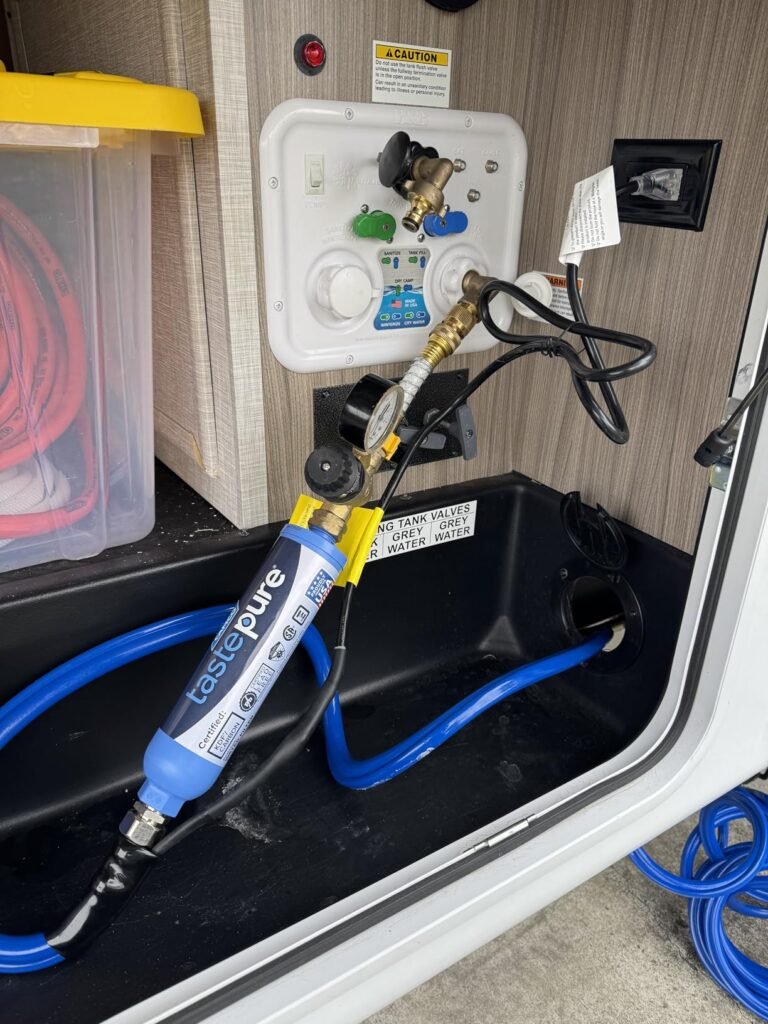
Some people confuse external heated hoses with internal plumbing components. A water heater hose is typically used inside mechanical systems to transfer heated water between appliances or engines.
While it serves a different purpose than a winterized external hose, both are designed to handle temperature-related stress.
Understanding the difference helps avoid buying the wrong product for your needs.
Installing a Heated Water Hose Properly
Correct installation ensures safety and performance.
Step 1: Connect to Water Source
Attach securely to the spigot.
Step 2: Connect to RV or Camper Inlet
Ensure a tight, leak-free fit.
Step 3: Plug Into GFCI Outlet
Always use a grounded outdoor outlet for safety.
Step 4: Insulate Exposed Connections
Foam covers protect vulnerable fittings.
Proper installation prevents weak points from freezing.
Many people worry about electricity usage.
Modern hoses with thermostats only activate when temperatures approach freezing. This dramatically reduces energy consumption compared to continuous heating methods.
Energy usage depends on:
Hose length
Outside temperature
Insulation level
Frequency of activation
Most systems are surprisingly efficient.
Heated Water Hose for Camper Setups
A heated water hose camper setup is ideal for:
Seasonal campground stays
Long-term RV living
Mountain travel
Winter road trips
Campers often rely heavily on external water connections. Winter protection ensures uninterrupted supply.
Extreme Weather Considerations
In extremely low temperatures (below -20°F), additional precautions may be necessary:
Insulate spigots
Cover exposed valves
Use foam pipe insulation
Protect power connections from moisture
Even the best hose performs better when the entire system is winter-prepared.
Maintenance and Storage Tips
Proper care extends lifespan.
Cleaning
Drain water completely before storage.
Drying
Allow to air dry before coiling.
Storage
Store in a dry area during warm months.
Inspection
Check heating element and outer jacket annually.
Good maintenance prevents premature wear.
Common Mistakes to Avoid
Using indoor extension cords
Leaving fittings exposed
Over-bending the hose
Ignoring thermostat functionality
Buying incorrect length
These mistakes reduce efficiency and safety.
Safety Guidelines
Because these hoses connect to electricity and water simultaneously, safety matters.
Use GFCI outlets
Avoid submerging connections
Inspect for cracks regularly
Keep electrical components dry
Follow manufacturer instructions
Modern hoses are designed with safety in mind, but user responsibility remains important.
Benefits Beyond RV Use
While often associated with RVs, these hoses are also useful for:
Mobile homes
Barn water systems
Outdoor sinks
Temporary winter setups
Construction sites
Anyone dealing with freezing outdoor water lines can benefit.
Cost vs Long-Term Savings
Although a heated hose costs more than a standard one, it can prevent:
Broken plumbing
Emergency repairs
Interior water damage
Travel disruptions
Preventative investment often saves significantly over time.
Choosing the Right Hose for Your Climate
Consider:
Average winter temperatures
Frequency of use
Access to power source
Length required
Mild climates may need lighter-duty options. Harsh climates demand heavy insulation and higher heat output.
Sustainability and Energy Awareness
Energy-efficient models reduce unnecessary power draw. Automatic thermostats and insulated layers help maintain warmth with minimal electricity.
Using modern technology responsibly minimizes environmental impact while maintaining performance.
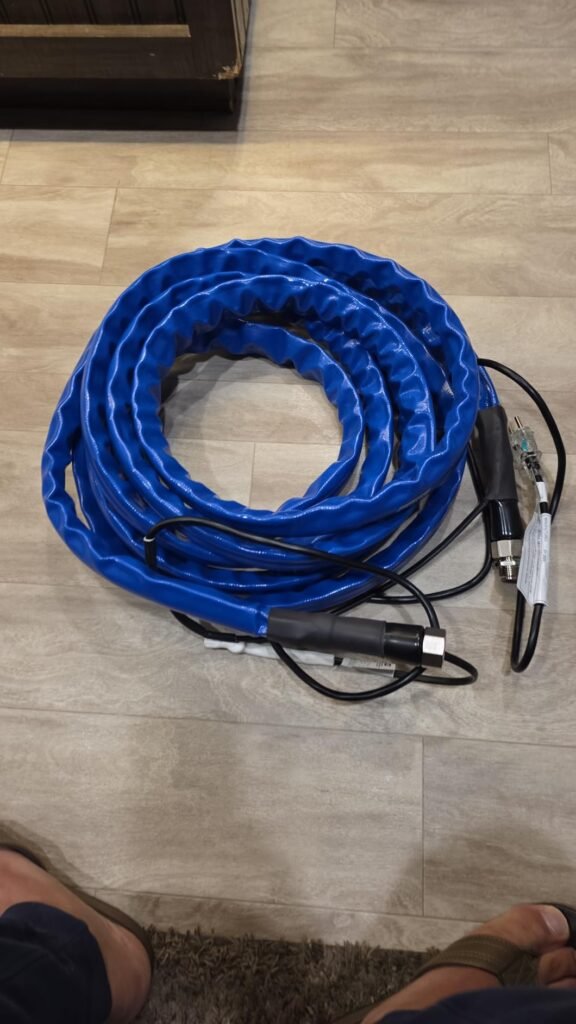
Understanding Freeze Damage: What Really Happens Inside a Hose
To fully appreciate the value of a heated water hose, it helps to understand how freezing actually damages water systems.
When water freezes, it expands by approximately 9%. Inside a confined hose, that expansion creates internal pressure. Even small ice formations can:
Stretch inner linings
Create micro-cracks
Damage fittings
Weaken seals
Block water completely
The problem often isn’t visible immediately. A hose might thaw and seem fine, only to leak later due to hidden structural stress.
Preventative heating eliminates this risk entirely by maintaining a consistent internal temperature.
The Role of Insulation in Cold Weather Performance
Heating alone is not enough. Insulation plays a critical role in how effectively a hose performs in freezing conditions.
High-quality designs include:
Foam insulation layers
Weather-resistant outer jackets
Reinforced connectors
Thermal retention materials
The insulation traps warmth generated by the internal heating element, reducing energy usage and increasing efficiency.
A properly insulated heated RV water hose performs significantly better than basic heat-wrapped alternatives.
Comparing Built-In Heating vs Heat Tape Solutions
Some people attempt to winterize a standard hose using external heat tape. While this may seem cost-effective, it comes with limitations.
Heat Tape Method
Requires manual wrapping
Uneven heating
Greater risk of exposed sections
Less durable long term
Integrated Heating Hose
Even internal heat distribution
Factory-sealed protection
Built-in thermostat control
Designed for potable water safety
Purpose-built solutions are more reliable and typically safer for extended use.
When Do You Actually Need One?
Not everyone needs winter protection year-round. Consider investing if:
Temperatures regularly drop below 32°F
You live full-time in an RV
You camp during fall or winter
Your water supply line is exposed
You park in mountain regions
A heated water hose for RV setups becomes especially important for long-term stays in cold climates.
Electrical Safety: What You Should Know
Since these hoses use electricity, understanding basic safety is essential.
Always Use GFCI Protection
Ground Fault Circuit Interrupters reduce shock risk in wet environments.
Outdoor-Rated Extension Cords
If an extension is necessary, ensure it’s rated for outdoor use and weather resistance.
Protect the Plug
Keep electrical connections elevated and dry.
Avoid Overloading Circuits
Check wattage ratings and ensure your power source can support the hose safely.
Modern hoses are engineered with safety features, but correct setup ensures optimal performance.
Preparing the Entire Water System for Winter
Even the best hose won’t compensate for unprotected fittings.
To fully winterize:
Insulate the campground spigot
Cover exposed RV inlet ports
Add foam insulation to vulnerable valves
Protect the pressure regulator
Check seals and washers
Cold air exposure at connection points is often the first place freezing begins.
Performance in Extreme Cold Conditions
For temperatures well below zero, extra precautions may be required.
High-performance hoses are rated for extreme cold, but adding additional insulation sleeves can improve efficiency.
In severe conditions:
Avoid sharp bends
Ensure continuous power supply
Monitor thermostat activation
Periodically inspect for ice buildup
A properly installed heated water hose camper system can function even in challenging winter environments.
Travel Flexibility: Why Winter-Ready Equipment Matters
For RV owners, mobility is freedom. Cold weather should not limit travel plans.
Having reliable water flow allows you to:
Extend camping seasons
Explore colder destinations
Stay longer at high-altitude locations
Avoid relocating due to frozen plumbing
Preparation increases travel flexibility and confidence.
Signs Your Hose May Be Failing
Even heated systems eventually wear out.
Watch for:
Inconsistent heating
Visible cracks
Electrical connection issues
Reduced water pressure
Unexpected ice formation
Routine inspection ensures reliability throughout winter.
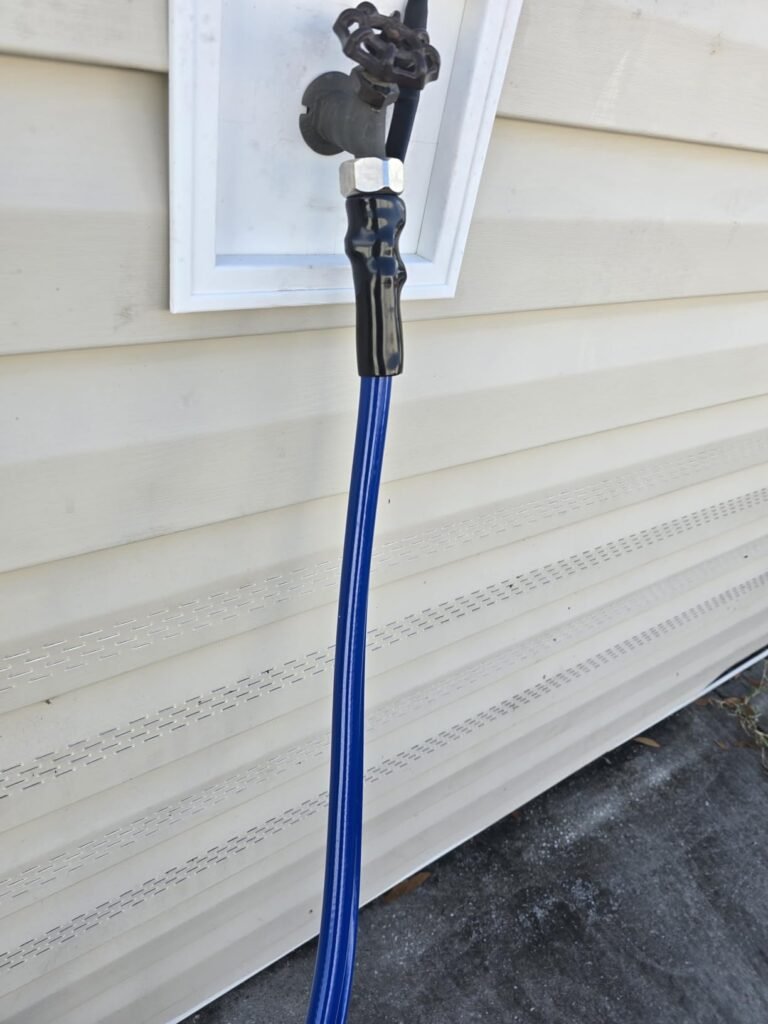
Longevity Expectations
With proper care, many heated hoses last several winter seasons.
Factors influencing lifespan:
Climate severity
Frequency of use
Storage practices
Electrical protection
Quality of materials
Proper draining and storage during warm months significantly extend durability.
Choosing the Right Length and Diameter
Length affects both convenience and energy efficiency.
Shorter Lengths
More efficient heating
Less energy consumption
Easier storage
Longer Lengths
Greater flexibility in campsite setup
May require higher power draw
Always measure your setup before purchasing to avoid excess slack or tension.
Storage Best Practices During Off-Season
When winter ends:
Disconnect power
Drain completely
Wipe exterior dry
Coil loosely (avoid tight bends)
Store in a dry indoor space
Proper off-season care prevents insulation cracking and electrical damage.
RV Living vs Occasional Camping Needs
Full-time RV residents rely heavily on winter protection. Their water systems remain active daily.
Occasional campers may only require protection for short seasonal trips.
Understanding your usage frequency helps determine the durability level required in a heated RV water hose.
Climate Zones and Equipment Matching
Different regions require different performance levels.
Mild Winter Regions
Occasional frost protection may be enough.
Moderate Cold Regions
Consistent sub-freezing temperatures require insulated hoses with thermostats.
Severe Cold Regions
Extreme ratings and additional insulation layers become critical.
Matching product performance to climate ensures safety and efficiency.
Cost Breakdown and Budget Planning
Pricing varies based on:
Length
Insulation thickness
Temperature rating
Brand engineering
Integrated safety features
While a basic model may handle light frost, premium versions offer extended durability and improved heating performance.
Investing in reliable equipment prevents far more expensive plumbing repairs.
Energy Efficiency and Smart Usage
To maximize efficiency:
Plug in only when temperatures approach freezing
Keep insulation intact
Avoid unnecessary exposure
Store properly during warmer months
Thermostat-controlled systems reduce energy waste significantly compared to continuous heating methods.
Frequently Asked Questions
How cold can a heated water hose handle?
It depends on the model. Many are rated for temperatures well below freezing.
Can I leave it plugged in all winter?
Yes, especially if it has an automatic thermostat. Always follow manufacturer guidelines.
Is it safe for drinking water?
Most high-quality hoses are certified safe for potable water. Always verify before purchase.
Do I still need to insulate fittings?
Yes. Connection points are often the weakest link.
What happens if the power goes out?
Without electricity, heating stops. In prolonged outages, draining the hose prevents freezing.
Final Extended Conclusion
A properly chosen heated water hose is one of the smartest investments for anyone facing freezing temperatures. Whether you rely on a heated RV water hose for full-time travel or need a heated water hose for RV winter camping, cold-weather protection ensures reliable water flow and peace of mind.
From understanding freeze mechanics to proper installation and long-term care, winter readiness is about preparation. When your water system stays functional, your comfort and mobility remain uninterrupted.
With the right equipment, cold weather becomes manageable — not limiting.