
Baby Delight Bassinet Review – Is It Worth It? 2026
Thinking about the Baby Delight bassinet? Explore features, comfort, and portability in this detailed review.
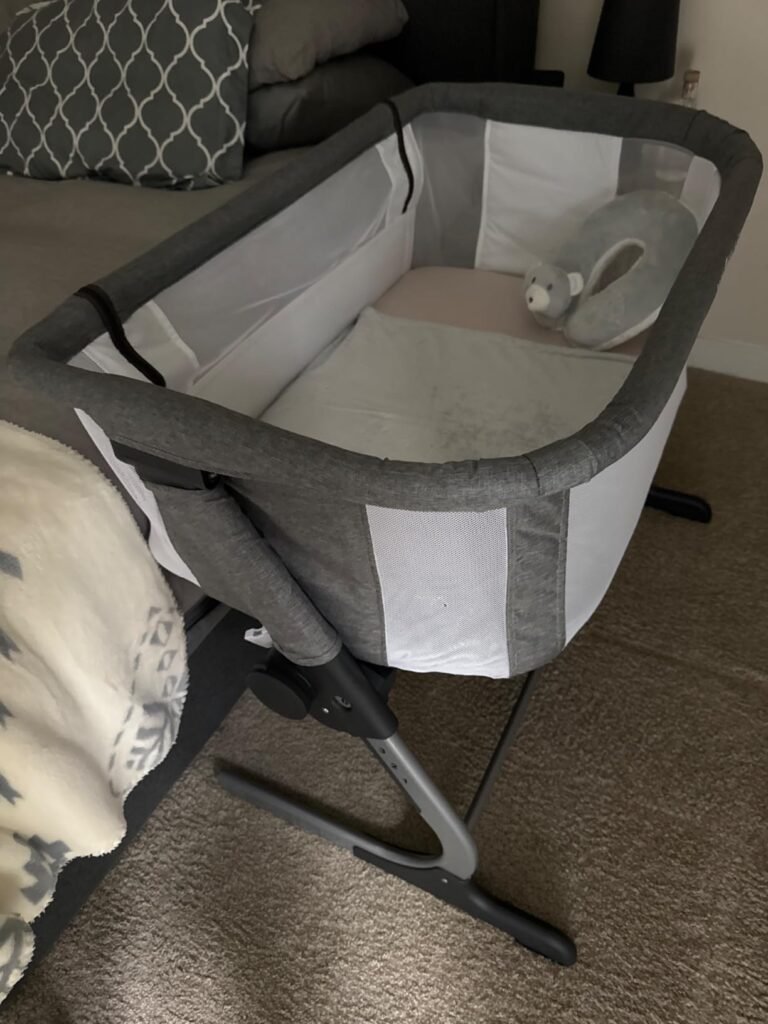
Why Parents Choose a Bassinet for Newborns
Bassinets are specifically designed for newborns and young infants. They offer a smaller, cozier sleep space compared to a full-size crib.
Benefits include:
Easy bedside access for night feedings
Compact design for small rooms
Safe, flat sleeping surface
Portability between rooms
Gentle comfort for newborns
Many pediatric sleep experts recommend room-sharing (without bed-sharing) during the first several months, making bassinets a practical solution.
What Is a Baby Delight Bassinet?
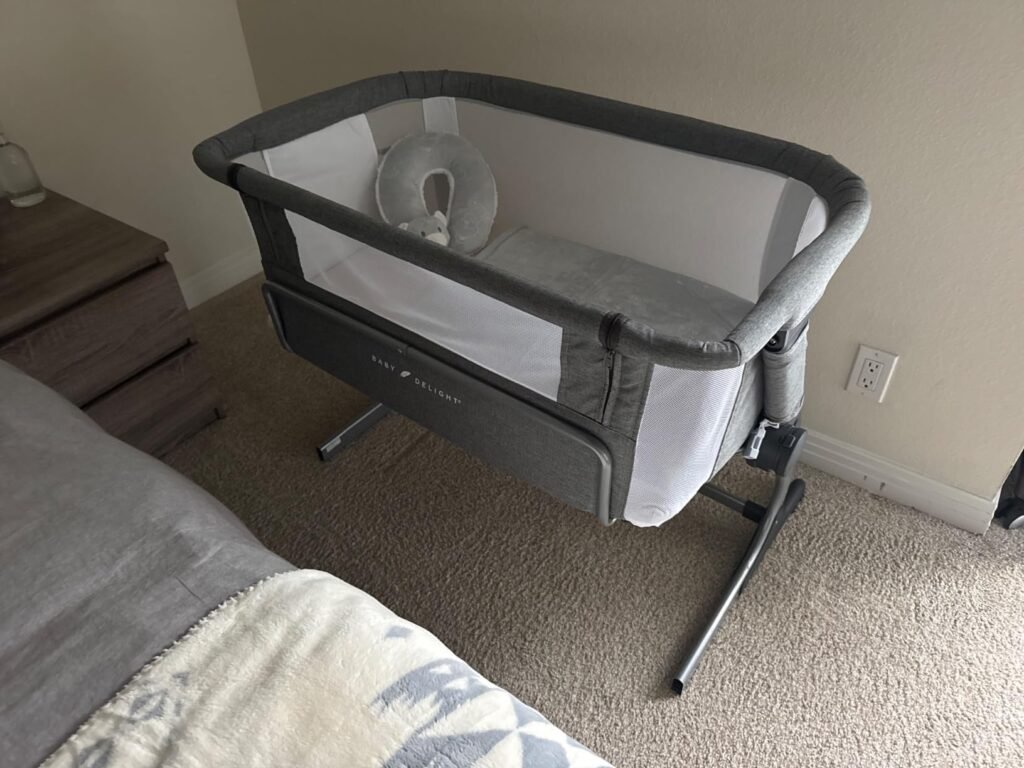
A Baby Delight bassinet is a brand known for lightweight, portable, and breathable sleep solutions. These bassinets are often favored for:
Easy assembly
Compact foldability
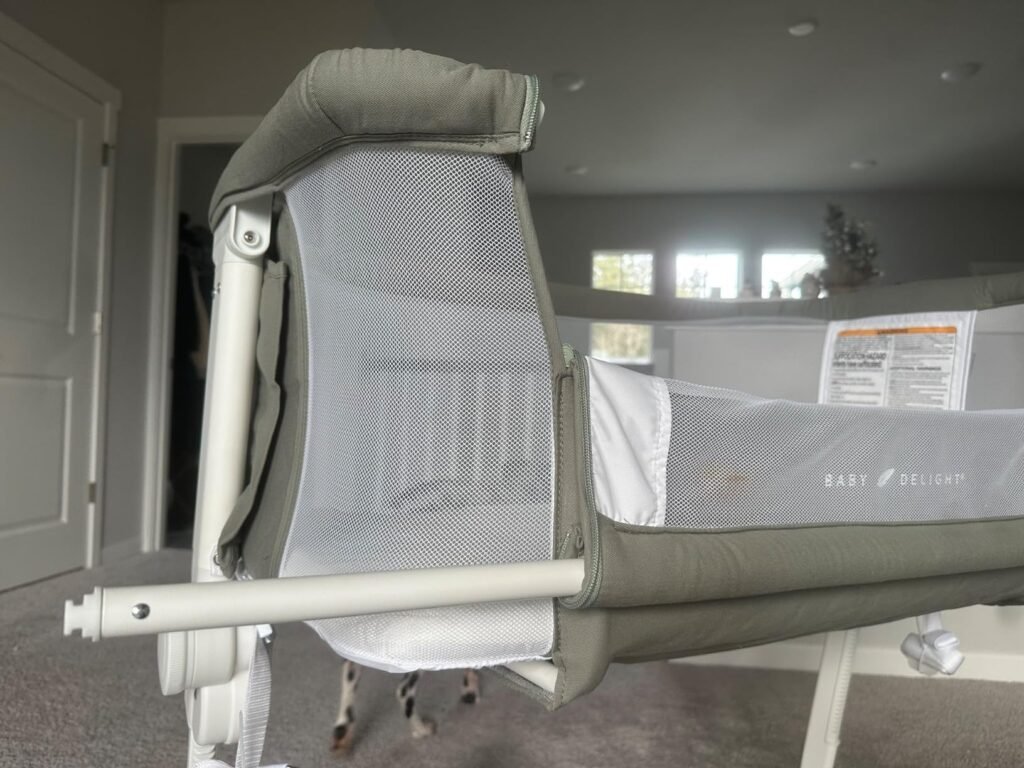
Mesh sides for airflow
Travel-friendly design
Modern aesthetic
Parents appreciate models that combine safety with convenience, especially during the newborn stage when frequent monitoring is necessary.
What Makes the Best Baby Bassinet?
Choosing the best baby bassinet depends on safety, comfort, and functionality.
Here are the key features to consider:
1. Firm, Flat Mattress
A bassinet mattress should be firm and fit snugly without gaps. Soft surfaces increase risk and are not recommended.
2. Breathable Mesh Sides
Mesh panels improve airflow and visibility.
3. Stable Frame
A sturdy base prevents tipping or rocking excessively.
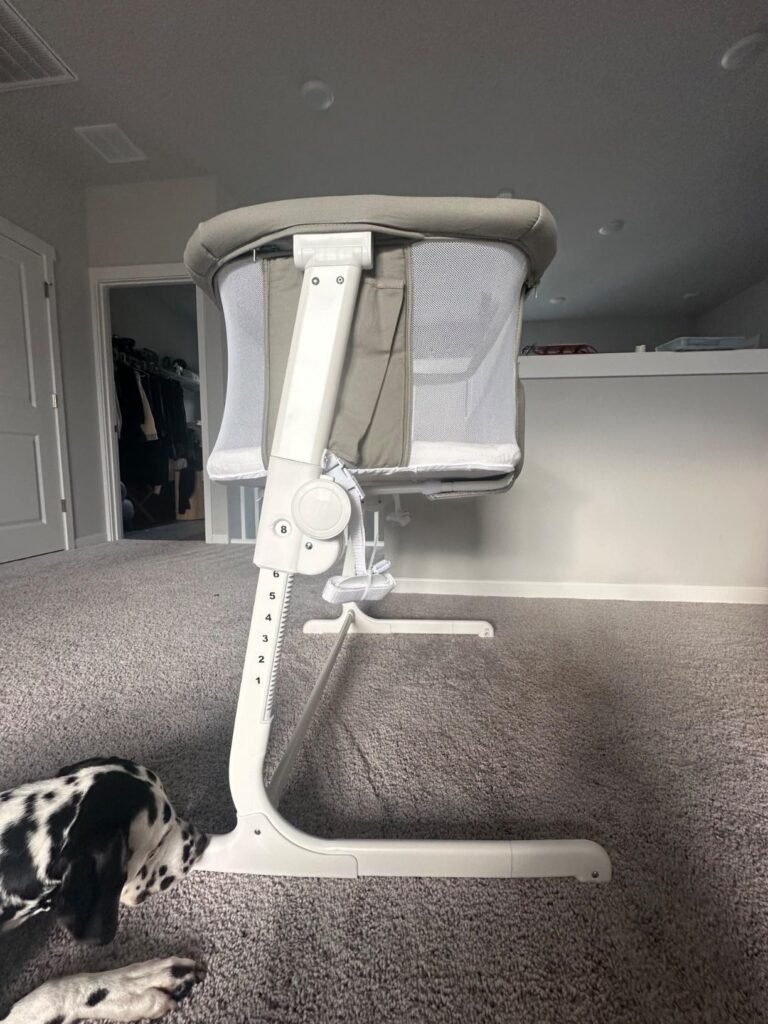
4. Adjustable Height
Helpful for bedside positioning.
5. Lightweight & Portable
Especially useful for daytime naps in different rooms.
The best baby bassinet balances safety with convenience and comfort.
How Long Can a Baby Sleep in a Bassinet?
One of the most common questions new parents ask is: how long can a baby sleep in a bassinet?
Most bassinets are designed for babies:
Up to 4–6 months of age
Or until they reach 15–20 pounds
Or when they can roll over or push up
The exact limit depends on the manufacturer’s weight and developmental guidelines.
Once your baby shows signs of rolling or sitting up, it’s time to transition to a crib.
When to Move Baby Out of Bassinet
Knowing when to move baby out of bassinet is critical for safety.
Common transition signs include:
Rolling over independently
Pushing up on hands
Exceeding weight limit
Outgrowing bassinet size
Attempting to sit up
Most babies transition between 4–6 months.
Moving too late increases safety risks. Always follow product guidelines.
Baby Girl Bassinet: Design vs Function
Many parents search specifically for a baby girl bassinet. While color and aesthetic matter, safety and structure should always come first.
Popular design themes include:
Soft pink tones
Floral patterns
Neutral cream shades
Elegant canopy styles
However, design should never compromise:
Breathability
Stability
Mattress firmness
Safety certifications
A beautiful bassinet should still meet modern safety standards.
Bassinet vs Crib: What’s the Difference?
Bassinets and cribs serve different stages.
| Feature | Bassinet | Crib |
|---|---|---|
| Age Range | Newborn to ~6 months | Infant to toddler |
| Portability | High | Low |
| Size | Compact | Larger |
| Ideal For | Bedside sleep | Long-term use |
Most families use both — starting with a bassinet and later transitioning to a crib.
Safety Guidelines for Bassinet Sleep
To ensure safe sleep:
Always place baby on their back
Use a firm mattress
Avoid pillows or loose blankets
Keep bassinet free of toys
Follow weight limits strictly
Safe sleep practices significantly reduce risk.
Room Sharing Recommendations
Many pediatric experts recommend room-sharing for at least the first six months.
Benefits include:
Easier monitoring
Convenient feeding
Reduced sleep disruption
Increased parental reassurance
A bedside bassinet makes room-sharing simple and practical.
Travel and Portable Bassinets
If you travel often, portability matters.
Features to look for:
Foldable frame
Carry bag included
Lightweight construction
Easy setup
Some models are designed specifically for travel convenience.
Cleaning and Maintenance
Babies can be messy. Choose a bassinet with:
Removable mattress cover
Washable fabric
Easy wipe-clean frame
Breathable mesh panels
Regular cleaning maintains hygiene and freshness.
Common Bassinet Buying Mistakes
Avoid these errors:
Ignoring weight limits
Choosing style over safety
Using soft bedding
Waiting too long to transition
Not checking stability
Always prioritize safety certifications over decorative features.
Transitioning From Bassinet to Crib Smoothly
When it’s time to move your baby:
Start with daytime naps in crib
Keep consistent bedtime routine
Use familiar sleep cues
Allow adjustment time
Gradual transitions reduce sleep disruption.
Frequently Asked Questions
How long can a baby sleep in a bassinet safely?
Typically up to 4–6 months, depending on weight and development.
When to move baby out of bassinet?
When baby rolls over, exceeds weight limit, or shows signs of sitting up.
Is a Baby Delight bassinet safe?
Yes, when used according to manufacturer guidelines and safe sleep practices.
Can a baby girl bassinet be used for boys?
Absolutely. Design does not affect safety.
Do I need both a bassinet and crib?
Most families use a bassinet for newborn stage and a crib for long-term sleep.
Long-Term Value Considerations
While bassinets are used for a shorter period than cribs, they offer significant value:
Improved nighttime convenience
Peace of mind
Better bonding experience
Easier room-sharing
Quality matters even if usage is temporary.
Understanding Newborn Sleep Patterns and Bassinet Use
Newborns sleep differently than older babies. In the first few months, infants:
Sleep 14–17 hours per day
Wake frequently for feeding
Have shorter sleep cycles
Need close supervision
Because of this, many parents prefer a bedside bassinet during the newborn stage. A compact sleep space makes nighttime feeding and soothing much easier compared to walking to a separate nursery.
A Baby Delight bassinet is often chosen for bedside convenience due to its compact size and portability.
Why Bassinets Feel Safer for Newborns
Newborns are used to tight, enclosed spaces from the womb. A bassinet provides:
A smaller sleep surface
A cozy, contained environment
Easier parental monitoring
Reduced open space compared to cribs
This smaller footprint can feel more secure during the early weeks.
Weight Limits and Developmental Milestones
Many parents focus only on age, but developmental milestones matter more.
Even if your baby is under 6 months, you should move them if they:
Begin rolling over
Push up strongly on arms
Attempt to sit
Exceed weight capacity
Understanding when to move baby out of bassinet prevents potential safety risks.
Signs Your Baby Is Ready for a Crib
Transition timing is important. Look for these signs:
Baby looks cramped or uncomfortable
Frequent contact with bassinet sides
Rolling attempts during sleep
Increased movement
If your baby seems restless, transitioning may improve sleep quality.
Bassinet Safety Standards to Look For
When selecting the best baby bassinet, ensure it meets:
Current safety certifications
Proper spacing between slats (if applicable)
Breathable mesh panels
Firm mattress support
Stable base
Avoid older, second-hand models that may not meet updated standards.
Can a Baby Sleep in a Bassinet All Night?
Yes, newborns can sleep in a bassinet overnight as long as:
It meets safety standards
The mattress is firm
There are no loose blankets
Baby is placed on their back
How long can a baby sleep in a bassinet overnight? As long as they remain within weight and developmental guidelines.
Bedside vs Freestanding Bassinets
There are two main styles:
Bedside Bassinet
Sits directly next to bed
Often height adjustable
Easier for night feedings
Freestanding Bassinet
Independent placement
Can move between rooms
Often more decorative
Both options can be safe when properly used.
Baby Girl Bassinet: Choosing Practical Design
When selecting a baby girl bassinet, many parents prioritize style — soft colors, decorative canopies, or themed fabric.
However, keep in mind:
Avoid heavy decorative fabric that blocks airflow
Ensure canopy (if included) does not hang inside sleep space
Choose breathable materials
Aesthetics are important, but airflow and firmness always come first.
The Importance of Mattress Firmness
Infants need firm sleep surfaces. Soft mattresses increase risk and are not recommended.
To test firmness:
Press mattress with your hand
It should quickly regain shape
No indentations should remain
The best baby bassinet will always include a firm, flat sleep surface.
Swaddling and Bassinet Safety
Swaddling is common in early months.
Important guidelines:
Stop swaddling once baby shows signs of rolling
Use lightweight swaddles
Never use loose blankets
Swaddled babies must still sleep on their backs.
Transitioning Without Disrupting Sleep
Moving from bassinet to crib can feel overwhelming for parents.
To make it easier:
Maintain the same bedtime routine
Keep lighting consistent
Use white noise if already part of routine
Start with daytime naps in crib
Gradual transitions reduce stress for both baby and parents.
Room Temperature and Ventilation
Ideal sleep temperature is between 68–72°F (20–22°C).
Ensure:
Proper air circulation
No direct drafts
No heavy blankets
Light sleep clothing
Mesh-sided bassinets improve airflow and reduce overheating risk.
When Parents Choose to Skip the Bassinet
Some families move directly to a crib.
Reasons include:
Space limitations
Budget considerations
Long-term crib investment
However, many parents appreciate the convenience of a bassinet during the newborn phase.
Travel and Temporary Sleeping Arrangements
Portable bassinets are helpful for:
Visiting family
Vacations
Short overnight stays
Moving between rooms
Lightweight options make it easy to maintain safe sleep routines even outside the nursery.
Frequently Asked Questions (Extended Section)
How long can a baby sleep in a bassinet during the day?
As long as it meets safety guidelines and baby remains within weight limits.
When to move baby out of bassinet if baby hasn’t rolled yet?
Typically by 5–6 months even if rolling hasn’t started, depending on size and movement.
Is a Baby Delight bassinet good for travel?
Many models are lightweight and portable, making them travel-friendly.
Do baby girl bassinets differ in safety?
No. Safety standards apply equally regardless of design theme.
Can bassinet mattresses be replaced?
Yes, but only with manufacturer-approved replacements to maintain safety fit.
Emotional Comfort for Parents
Beyond functionality, a bassinet offers reassurance.
Parents can:
Hear baby’s breathing
Respond quickly to cries
Monitor sleep patterns
Feel more secure during early months
That peace of mind is often why bassinets remain popular.
Long-Term Planning: What Comes After Bassinet?
After transitioning, your baby will likely use:
A crib
A convertible crib
A toddler bed (later stage)
Planning ahead helps smooth transitions.
Final Extended Conclusion
Choosing the right sleep solution during the newborn phase is a major decision. Whether you’re selecting a Baby Delight bassinet, comparing options for the best baby bassinet, considering a baby girl bassinet design, or asking how long can a baby sleep in a bassinet and when to move baby out of bassinet, safety and development should guide every choice.
Bassinets provide convenience, comfort, and closeness during the early months. With proper use, careful monitoring of milestones, and a smooth transition plan, they offer a safe and practical start to your baby’s sleep journey.