
What Is a Double Mini Trampoline? 2026
Learn what a double mini trampoline is, how it’s used, and why it’s popular in gymnastics and training.
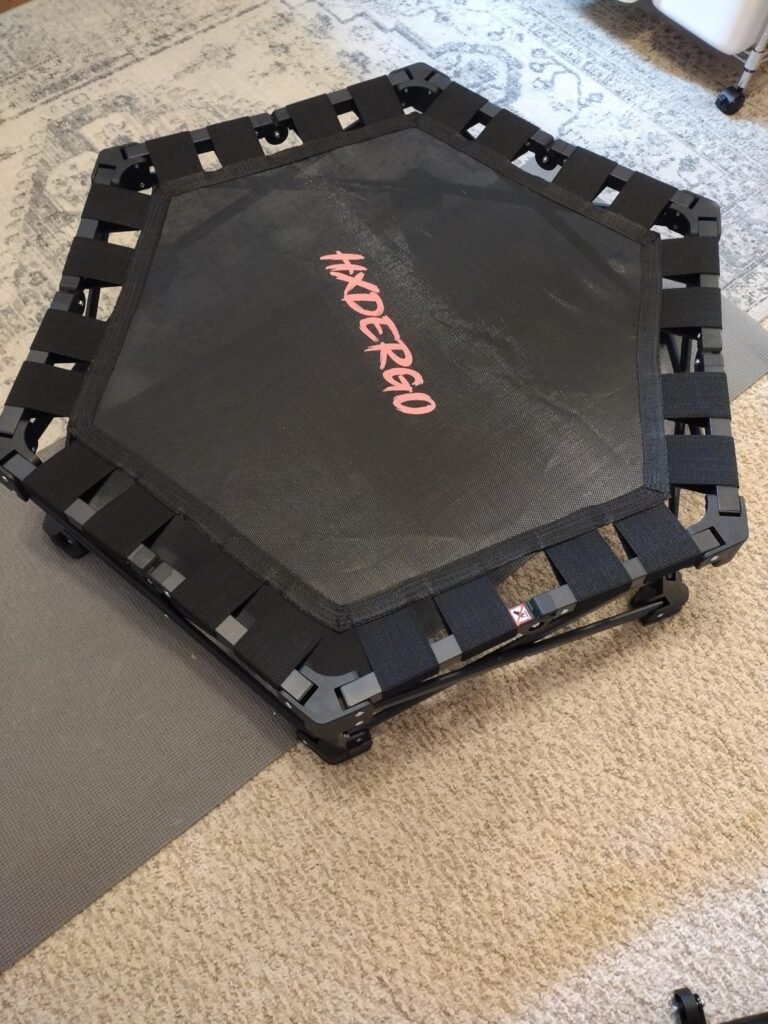
What Is Double Mini Trampoline?
A double mini trampoline (often called DMT) is a specialized gymnastics trampoline consisting of two connected jumping surfaces: a flat section and an angled section.
Athletes run toward it, jump onto the angled bed, transition onto the flat bed, and perform aerial skills before landing on a mat.
It is commonly used in:
Competitive gymnastics
Trampoline sports
Cheer training
Acrobatics training
The double surface design allows for powerful takeoff and complex aerial maneuvers.
Why Is It Called “Double Mini”?
The name comes from its structure:
Double → two jumping beds
Mini → smaller than a full trampoline
Unlike backyard trampolines, the double mini trampoline is designed for controlled, directional tumbling rather than bouncing in place.
Double Mini Trampoline vs Regular Trampoline
The biggest difference is purpose and design.
Double Mini Trampoline
Two-stage jumping surface
Used for running approach skills
Designed for flips and dismounts
Gymnastics equipment
Regular Trampoline
Single flat bed
Continuous bouncing
Recreational use
Backyard or fitness use
The double mini trampoline is a performance apparatus, not a recreational toy.
How a Double Mini Trampoline Works
The DMT has two sections:
Mount zone (angled bed) – first contact after running approach
Dismount zone (flat bed) – final takeoff for aerial skill
Athletes run, punch off the angled bed, rebound on the flat bed, then launch into flips or twists before landing on a padded mat.
This sequence allows controlled forward momentum and vertical lift.
Double Mini Trampoline in Gymnastics Competition
Double mini trampoline is an official competitive discipline in trampoline gymnastics.
A routine typically includes:
Running approach
Mount skill
Spotter skill (optional intermediate skill)
Dismount skill
Landing on mat
Judges evaluate:
Difficulty
Height
Form
Control
Landing
It is recognized in international trampoline competitions.
Skills Performed on Double Mini Trampoline
Common skills include:
Front tucks
Back tucks
Layouts
Twists
Barani skills
Pike flips
Advanced athletes combine multiple rotations and twists in one dismount.
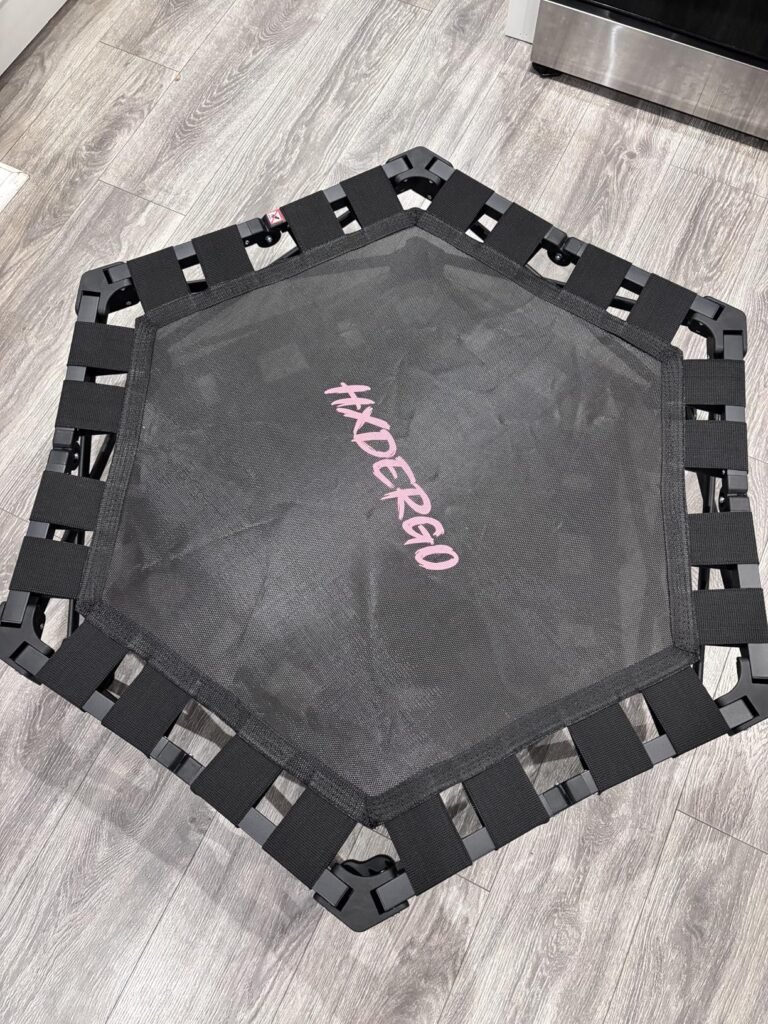
Who Uses Double Mini Trampolines?
Primary users include:
Competitive gymnasts
Trampoline athletes
Cheerleaders
Acrobatics athletes
Parkour trainees
It’s rarely used outside structured training environments.
Safety Considerations
Because athletes perform flips from height and speed, safety is essential.
Key safety features:
Landing mats
Spotters
Proper coaching
Controlled environment
Progressive skill training
Double mini trampoline is not safe for unsupervised use.
Double Mini Trampoline for Training
DMT helps athletes develop:
Air awareness
Explosive power
Tumbling technique
Rotation control
Landing precision
It bridges floor tumbling and full trampoline skills.
Is Double Mini Trampoline Used for Fitness?
While the competitive DMT is specialized, mini trampolines inspired by it are sometimes used for:
Plyometric training
Jump conditioning
Athletic drills
Rebounding workouts
However, true double mini trampolines are primarily gymnastics apparatus.
Can You Use a Double Mini Trampoline at Home?
Full gymnastics DMT equipment is generally unsuitable for home use because:
Requires large landing area
Needs mats
Requires coaching supervision
High injury risk
Home fitness mini trampolines are safer alternatives.
Double Mini Trampoline vs Rebounder
A rebounder is a small round exercise trampoline used for fitness.
Key differences:
Rebounder → vertical bouncing in place
Double mini trampoline → running mount and aerial dismount
They serve completely different purposes.
What Is an Electric Dirt Bike?
An electric dirt bike is an off-road motorcycle powered by an electric motor and rechargeable battery rather than a gasoline engine.
Key characteristics:
Battery-powered drivetrain
Instant torque delivery
Low noise operation
Minimal maintenance
No fuel required
Electric dirt bikes are used for trail riding, backyard riding, motocross training, and recreational off-road riding.
Equipment Structure and Materials
A double mini trampoline includes:
Metal frame
Two trampoline beds
Spring or rod suspension
Adjustable legs
Non-slip surface
Competition models are highly durable and engineered for high forces.
Learning Progression on Double Mini
Athletes typically progress through stages:
Straight jumps
Basic mounts
Simple flips
Twisting skills
Advanced dismounts
Coaching progression is essential for safety.
Frequently Asked Questions
What is double mini trampoline used for?
It is used in gymnastics and trampoline sports for aerial skills and dismount routines.
Is double mini trampoline a sport?
Yes, it is an official discipline in trampoline gymnastics.
Can beginners use double mini trampoline?
Only under coaching supervision in a gym setting.
Is it the same as a mini trampoline?
No, it has two jumping beds and is used for running approach skills.
Is double mini trampoline safe?
Yes when used in a supervised gymnastics environment with mats.
What Is an Electric Dirt Bike?
An electric dirt bike is an off-road motorcycle powered by an electric motor and rechargeable battery rather than a gasoline engine.
Key characteristics:
Battery-powered drivetrain
Instant torque delivery
Low noise operation
Minimal maintenance
No fuel required
Electric dirt bikes are used for trail riding, backyard riding, motocross training, and recreational off-road riding.
Double Mini Trampoline Dimensions and Structure
A regulation double mini trampoline used in gymnastics competitions follows standardized dimensions.
Typical specifications:
Total length: ~3.5 meters (about 11.5 ft)
Width: ~0.9–1.0 meters (about 3 ft)
Height: adjustable legs
Two beds: angled + flat
The angled section sits lower and slopes upward toward the flat dismount bed. This geometry converts forward running speed into vertical lift for aerial skills.
How Athletes Generate Height on Double Mini
Height on a double mini trampoline comes from three factors:
Running speed
Punch technique
Bed rebound energy
The angled bed redirects horizontal momentum upward, while the flat bed amplifies vertical bounce. Skilled athletes time their punch and rebound precisely to maximize airtime before the dismount.
Double Mini Trampoline in Official Competition
Double mini trampoline (DMT) is recognized by the International Gymnastics Federation (FIG) as one of the trampoline gymnastics disciplines.
Competition format typically includes:
Two passes per athlete
Each pass contains mount + dismount skill
Landing must be controlled on mat
Highest scoring pass counts
Athletes are judged on execution and difficulty.
Judging Criteria in Double Mini Trampoline
Judges evaluate several performance elements.
Difficulty
Number of flips and twists performed.
Execution
Body position, form, and technique.
Height
Vertical elevation above the bed.
Control
Stability during landing.
Penalties
Steps, falls, or poor form reduce score.
Clean landings are critical to competitive scoring.
Mount vs Dismount Skills Explained
Each DMT pass includes two major skill phases.
Mount
First aerial skill performed from the trampoline bed.
Dismount
Final aerial skill performed before landing mat.
The dismount usually has higher difficulty and scoring value.
Athlete Training Benefits of Double Mini
Gymnasts use DMT because it develops key athletic qualities:
Explosive leg power
Coordination
Spatial awareness
Tumbling confidence
Rotation control
It acts as a bridge between floor tumbling and full trampoline routines.
Skill Progression on Double Mini Trampoline
Athletes progress through structured levels.
Beginner
Straight jumps
Seat drops
Basic mounts
Intermediate
Front tuck
Back tuck
Pike jumps
Advanced
Twisting somersaults
Multiple rotations
Complex dismount combinations
Progression depends on coaching and athlete readiness.
Double Mini vs Tumbling Track
Another gymnastics apparatus often compared to DMT is the tumbling track.
Double Mini Trampoline
Two-bed apparatus
Vertical dismount
Single aerial skill
Tumbling Track
Long spring runway
Multiple tumbling passes
Continuous movement
Both develop power and aerial awareness but serve different routines.
Energy Transfer Mechanics in Double Mini
The double mini trampoline functions like an energy amplifier.
Process:
Athlete runs forward
Angled bed converts forward motion to upward force
Flat bed stores and releases elastic energy
Athlete launches vertically
This energy transfer allows greater height than floor tumbling alone.
Safety Mats and Landing Zones
Landing safety is essential in DMT training and competition.
Typical setup includes:
Thick landing mat
Additional crash mats
Spotter positioning
Clear runway approach
Athletes must land upright on feet to score and avoid injury.
Coaching Role in Double Mini Training
Because of aerial risk, coaching supervision is required.
Coaches guide:
Run speed control
Punch timing
Body position
Rotation mechanics
Safe progression
Unsupervised DMT use is strongly discouraged.
Common Mistakes on Double Mini
Beginner athletes often struggle with:
Insufficient run speed
Poor punch angle
Over-rotation
Under-rotation
Unstable landing
Coaching corrections focus on takeoff mechanics and body alignment.
Double Mini Trampoline in Cheer and Acrobatics
Beyond gymnastics, DMT is also used in:
Cheerleading tumbling training
Acrobatics teams
Circus arts
Parkour training
It helps athletes safely learn aerial rotations before performing on hard surfaces.
Equipment Variations
Different models exist for different training levels.
Competition DMT
Highest rebound
Regulation dimensions
Professional use
Training DMT
Softer rebound
Adjustable tension
Skill learning
Youth DMT
Smaller size
Lower height
Beginner athletes
Equipment selection matches athlete level.
Frequently Asked Questions (Additional)
How high do athletes jump on double mini?
Elite athletes can reach several meters above the bed during dismount.
Is double mini harder than trampoline?
It requires precise timing from a running approach, making it technically challenging.
Can adults learn double mini?
Yes, with coaching and proper progression.
Why is landing so important in scoring?
Control and stability demonstrate skill mastery and safety.
Is double mini Olympic?
Trampoline gymnastics is Olympic; DMT is part of international competition but not currently an Olympic medal event.
Final Extended Conclusion
Understanding what is double mini trampoline reveals why it is a unique and specialized discipline within gymnastics. With its two-stage jumping surface, the apparatus converts running momentum into vertical lift, allowing athletes to perform powerful aerial dismounts. Used in competitive trampoline gymnastics, cheer training, and acrobatics, the double mini trampoline develops explosive power, rotation control, and landing precision.
Because of its technical demands and safety considerations, it remains a coached apparatus rather than recreational equipment. For athletes and coaches, however, it provides one of the most effective tools for aerial skill progression and competitive performance.