
Best Dog Sofa Bed for Comfort in 2026
Discover the best dog sofa bed options that give your pet a cozy and supportive place to rest.
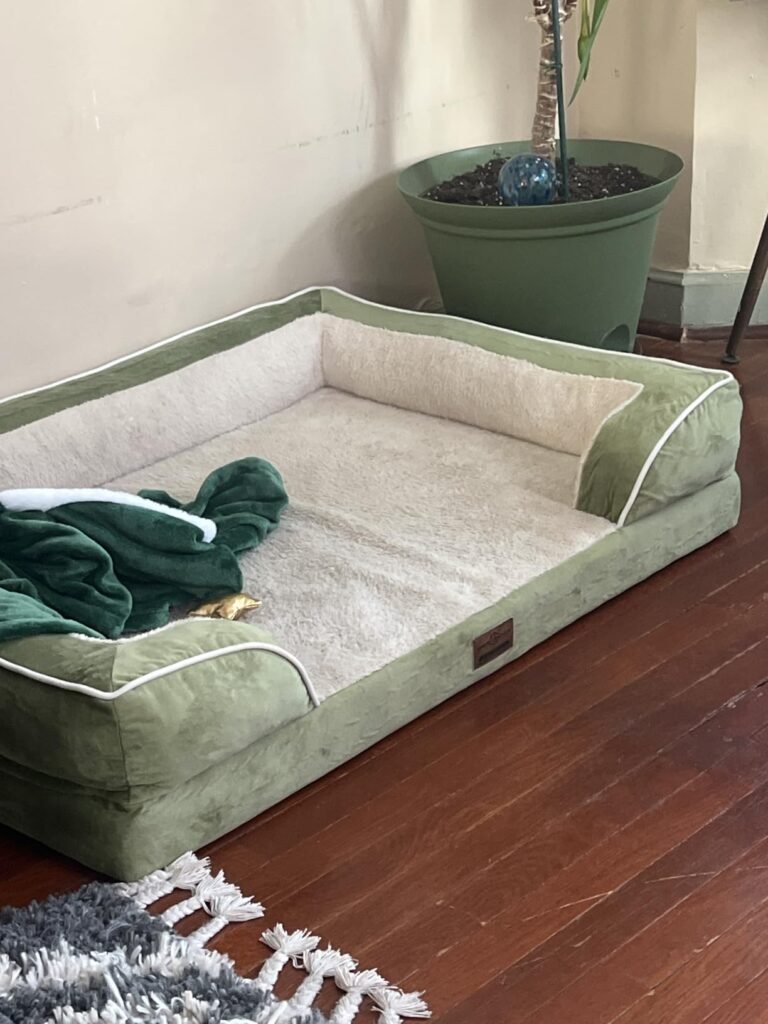
A comfortable resting place is one of the most important investments you can make for your dog’s health and happiness. While traditional flat mats have long been popular, many pet owners now prefer furniture-style options that blend into their home décor while offering superior support. A dog sofa bed provides structure, cushioning, and an elevated design that supports joints while giving dogs a cozy, secure place to relax.
Whether you are researching different dog sofa beds, trying to protect your couch with a dog bed for sofa, or searching for dog sofa beds for large dogs, this in-depth guide will help you understand exactly what to look for.
What Is a Dog Sofa Bed?
A dog sofa bed is a structured pet bed designed to resemble a miniature couch. It typically includes:
Raised sides or backrests
Thick cushioned base
Upholstered exterior
Supportive foam core
Unlike flat dog beds, sofa-style models offer enclosed comfort and head support, making them ideal for dogs who lean while sleeping.
Why Dogs Love Sofa-Style Beds
Dogs instinctively seek support when resting. In the wild, they curl against den walls for warmth and protection. Sofa beds recreate that natural sense of security.
Benefits include:
Neck and head support
A sense of enclosure
Reduced pressure on joints
Defined personal space
Elevated comfort
Many dogs rest their chin on the raised edge, which promotes relaxation and better sleep posture.
Dog Sofa Beds vs Traditional Beds
Traditional beds:
Flat design
Minimal structure
Basic padding
Sofa-style beds:
Structured frame
Thick orthopedic cushioning
Raised perimeter
Decorative design
For dogs with joint sensitivity, the structured design often provides better comfort.
Dog Bed for Sofa: Protecting Your Furniture
If your dog insists on sitting on the couch, a dog bed for sofa creates a protective barrier while giving your pet a defined space.
It helps:
Protect upholstery
Reduce shedding buildup
Prevent scratches
Maintain hygiene
This option is especially helpful in households with light-colored furniture.
Dog Sofa Beds for Large Dogs: Key Features
Large breeds need more than just extra space — they need reinforced support.
When shopping for dog sofa beds for large dogs, prioritize:
High-density foam
Wide sleeping surface
Reinforced seams
Non-slip base
Higher weight capacity
A large dog sofa bed must maintain shape even under heavy use.
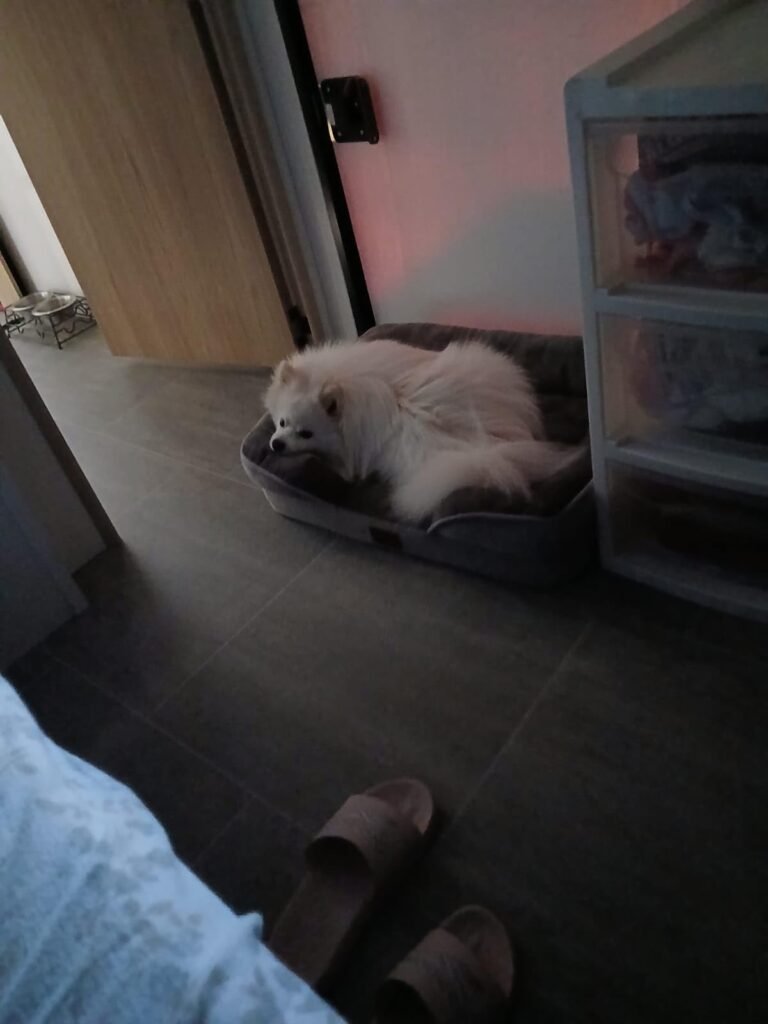
Orthopedic Support and Joint Health
Orthopedic foam distributes weight evenly, reducing pressure points.
This is especially important for:
Senior dogs
Large breeds
Dogs with arthritis
Hip dysplasia sufferers
Recovering pets
Proper joint alignment improves mobility and sleep quality.
Choosing the Right Size
Always measure your dog before buying.
Steps:
Measure from nose to base of tail
Observe sleeping position
Add extra room for stretching
Dogs who sprawl need more length, while curlers can use slightly smaller sizes.
Materials Matter
Quality materials affect durability and comfort.
Cushion cores may include:
Memory foam
High-density orthopedic foam
Polyfill
Hybrid foam layers
Upholstery options include:
Microfiber
Canvas
Faux leather
Linen blends
Velvet-style fabric
Durable materials resist scratching and wear.
Frame vs Cushion-Only Design
Some sofa beds are built with internal wooden or metal frames, while others are thick foam structures shaped like furniture.
Framed models:
More rigid
Elevated appearance
Longer-lasting shape
Foam-only models:
Lighter
Easier to move
Softer overall
Choose based on durability needs and décor preference.
Elevated vs Ground-Level Sofa Beds
Raised models provide:
Better airflow
Draft protection
Cleaner sleeping area
Improved temperature regulation
This can be helpful in cooler climates or homes with cold flooring.
Cleaning and Maintenance
Hygiene is essential.
Look for:
Removable covers
Machine-washable fabric
Waterproof liners
Stain-resistant materials
Routine cleaning reduces odor buildup and allergens.
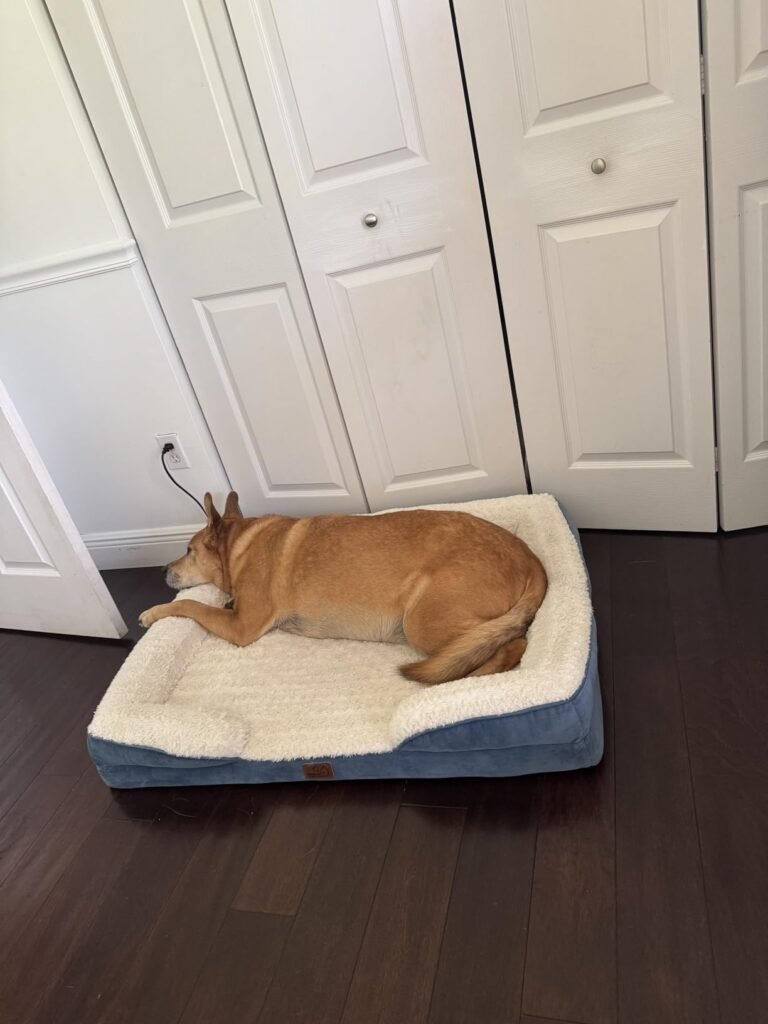
Best Placement in Your Home
Dogs prefer resting near family.
Ideal placement:
Living room corner
Near sofa or TV area
Bedroom for night sleeping
Quiet but visible location
Avoid placing directly in drafty or high-traffic areas.
Temperature Considerations
Some sofa beds retain warmth, while others are breathable.
Cold climate:
Plush upholstery
Foam insulation
Warm climate:
Breathable fabric
Cooling foam
Elevated design
Matching bed material to climate improves comfort.
Behavioral Benefits of a Dedicated Bed
A defined sleeping area can:
Reduce couch climbing
Improve sleep routine
Encourage calm behavior
Create consistent boundaries
Dogs feel secure when they know their designated space.
Puppy Considerations
Puppies may chew furniture-style beds.
For young dogs:
Choose durable fabric
Avoid delicate upholstery
Select washable covers
Consider slightly lower height
As puppies mature, upgrading to a larger structured model makes sense.
Longevity and Durability
Higher-quality beds last longer due to:
Dense foam core
Reinforced stitching
Strong upholstery
Stable construction
Investing in durability often reduces replacement frequency.
Style and Home Décor
Modern designs blend seamlessly with interiors.
Popular styles:
Neutral linen
Modern minimalist
Faux leather
Tufted upholstery
Contemporary frame
A sofa-style bed can complement your furniture rather than clash with it.
Travel and Multi-Room Setup
Some households maintain multiple beds:
Living room sofa bed
Bedroom night bed
Travel cushion
Consistency helps dogs feel secure in different environments.
Common Buying Mistakes
Avoid:
Choosing too small size
Ignoring weight rating
Overlooking washable covers
Buying low-density foam
Ignoring dog’s sleep style
Matching the bed to your dog’s behavior ensures satisfaction.
When to Upgrade to a Large Dog Sofa Bed
Upgrade if your dog:
Outgrows current bed
Shows joint stiffness
Sprawls off edges
Sinks into foam
Large dogs especially benefit from wider support bases.
Signs Your Dog Loves Their Sofa Bed
You’ll know it’s the right choice when:
They nap there consistently
They rest calmly
They stretch comfortably
They prefer it over the floor
Consistent use indicates proper fit and comfort.
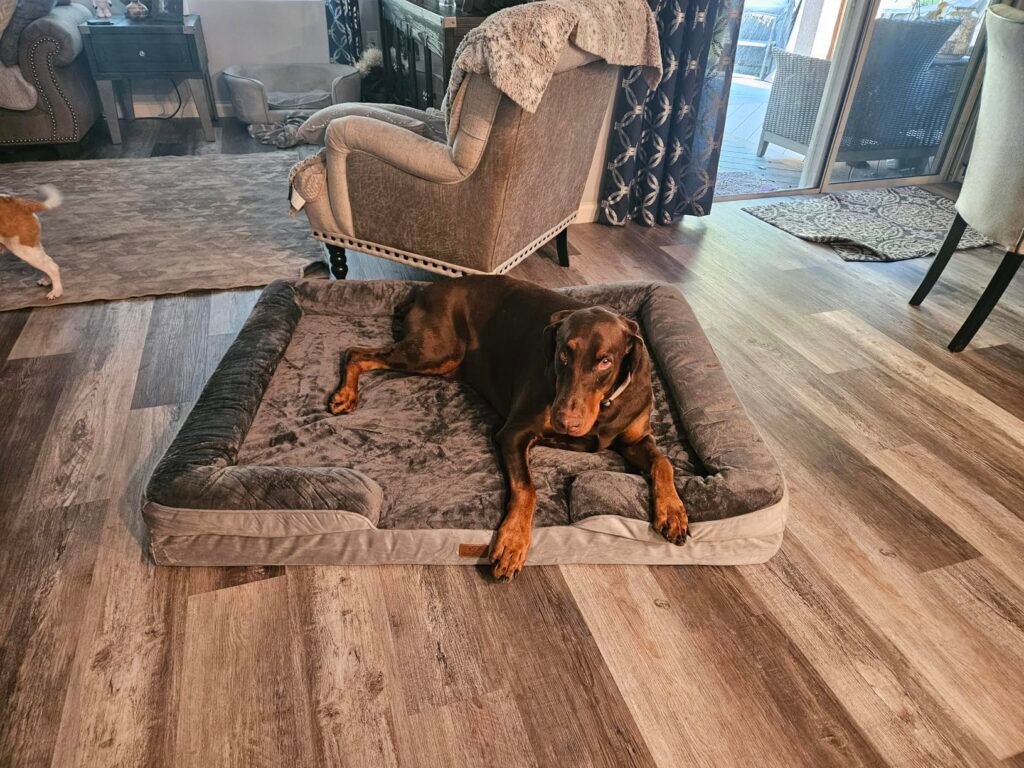
How Sleep Position Affects Sofa Bed Choice
Dogs sleep in different positions, and the shape of a sofa-style bed should match their habits.
Common sleep styles:
Curled into a ball
Side sleeping
Full stretch
Chin resting on edge
Dogs that curl prefer deeper sides, while sprawlers need wider cushions. Chin-resting dogs benefit from thicker bolsters that support the neck without compressing.
Observing how your dog sleeps helps determine the most comfortable structure.
Edge Support and Neck Alignment
Raised edges are more than decorative — they provide ergonomic support.
Proper edge height helps:
Keep the neck aligned
Reduce muscle strain
Support the jaw
Prevent head drooping
Dogs often relax more deeply when their head is slightly elevated, similar to how humans use pillows.
Cushion Density and Long-Term Comfort
Foam density determines whether a bed stays supportive over time.
Low-density foam:
Compresses quickly
Loses shape
Creates pressure points
High-density orthopedic foam:
Maintains structure
Distributes weight evenly
Supports joints
Resists flattening
Large breeds especially need denser cores to prevent sagging.
Multi-Dog Households: Shared Sofa Beds
In homes with multiple pets, some dogs prefer sharing.
For shared sleeping:
Choose oversized models
Ensure wide surface area
Reinforced seams are essential
Stable base prevents shifting
Some dogs sleep closer when feeling secure, making wider sofa-style beds ideal.
Seasonal Bedding Adjustments
Dogs experience temperature changes just like humans.
Winter-friendly features:
Plush upholstery
Thick bolsters
Insulated foam
Summer-friendly features:
Breathable fabric
Cooling gel foam
Elevated airflow
Some owners rotate covers seasonally for comfort.
Orthopedic Benefits for Aging Dogs
Senior dogs often develop joint stiffness or arthritis. Supportive sofa beds reduce discomfort by keeping joints aligned and pressure evenly distributed.
Benefits for aging pets:
Reduced hip strain
Less elbow pressure
Easier rising movement
Improved sleep quality
Comfortable rest plays a major role in mobility and recovery for older dogs.
Stability and Non-Slip Design
Large or energetic dogs may shift bedding while entering or exiting.
A stable sofa bed should include:
Non-slip base
Weighted construction
Wide footprint
Reinforced bottom
Dogs That Lean While Sleeping
Many dogs naturally lean against objects when resting. Sofa beds provide that contact on multiple sides.
Leaning behavior is common in:
Large breeds
Guarding breeds
Companion breeds
Anxious dogs
Supportive sides mimic natural denning comfort.
Sofa Beds for Anxiety-Prone Dogs
Dogs with mild anxiety often prefer enclosed sleeping areas.
Raised edges create:
Sense of boundary
Security feeling
Protected sleep space
Reduced startle response
Comfortable containment helps anxious dogs settle more easily.
Upholstery Durability and Scratch Resistance
Dogs may paw, turn, or nest before sleeping.
Durable upholstery resists:
Claw friction
Nesting movement
Daily wear
Dirt accumulation
Tightly woven fabrics or reinforced blends tend to last longer.
Maintaining Shape Over Time
High-quality sofa beds retain their form because of:
Dense foam structure
Reinforced side walls
Strong stitching
Stable frame
Beds that collapse or flatten lose ergonomic benefits quickly.
Height Considerations for Older Dogs
Senior dogs or those with mobility issues may struggle with high edges.
Helpful features:
Lower front entry
Gradual slope
Supportive but accessible sides
Soft landing cushion
Easy entry reduces strain during use.
Placement and Social Behavior
Dogs prefer resting where they can observe their environment.
Ideal placement factors:
Visual access to room
Near owner activity
Safe from disturbance
Predictable location
Beds placed too far from social zones are often ignored.
Transitioning a Dog to a New Sofa Bed
Some dogs need encouragement to adopt a new resting spot.
Helpful strategies:
Place familiar blanket on bed
Add favorite toy
Position near old sleep area
Reward use
Positive association builds preference quickly.
Multi-Room Bed Strategy
Many owners use multiple beds for convenience.
Common layout:
Living room rest bed
Bedroom sleep bed
Travel or crate bed
Consistency in texture and feel helps dogs transition between locations.
Longevity vs Cost Balance
Higher-quality beds cost more initially but often last longer due to:
Durable foam
Reinforced seams
Quality upholstery
Stable construction
Replacing low-cost beds repeatedly may exceed long-term cost of one durable model.
Signs It’s Time to Replace a Bed
Even quality beds eventually wear out.
Replacement indicators:
Foam compression
Flattened sides
Torn upholstery
Odor retention
Reduced support
Loss of structure reduces orthopedic benefits.
Large Breed Support Needs
Large dogs place greater force on bedding.
Support priorities include:
Thick foam base
Wide sleeping surface
Reinforced bolsters
Stable construction
Proper support helps prevent joint strain over time.
Everyday Comfort and Routine
Dogs spend many hours resting daily. A comfortable sofa-style bed supports:
Daytime naps
Night sleep
Relaxation periods
Recovery after activity
Consistent comfort contributes to long-term well-being.
Final Extended Section
Choosing the right dog sofa bed involves more than appearance. Factors like foam density, edge support, durability, placement, and size all influence how comfortable and supportive the bed will be for your dog. Whether accommodating large breeds, aging pets, anxious sleepers, or multi-dog households, a structured sofa-style design provides stability, security, and orthopedic comfort.
A well-selected sofa bed becomes a daily refuge where dogs rest deeply, recover comfortably, and feel secure within the home environment.