
Best Maxi Cosi Car Seat Models in 2026
Discover the best maxi cosi car seat options with top safety features and parent-friendly designs.
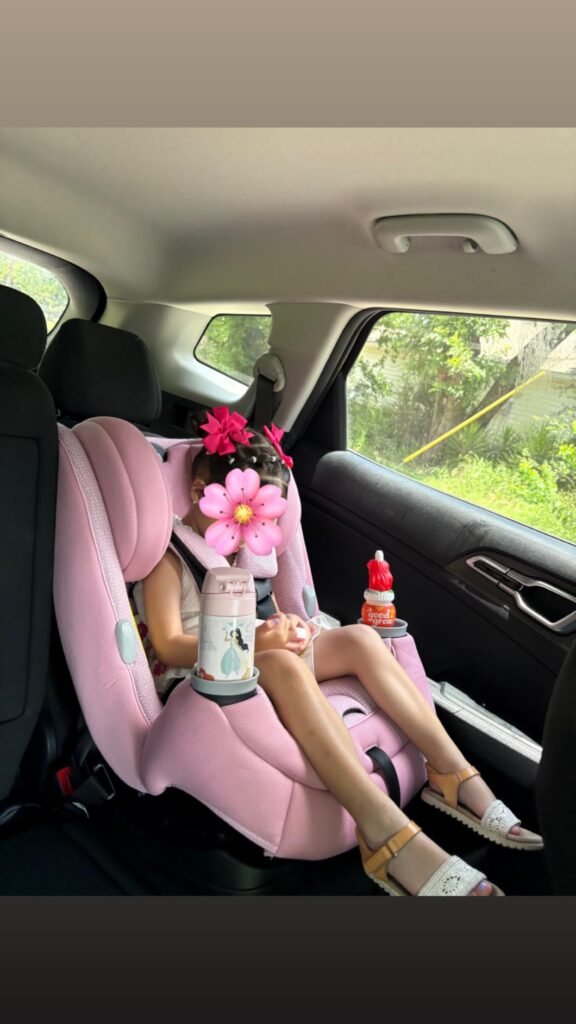
Maxi Cosi Car Seat: Complete Guide to Infant, Travel, and 360° Models for Safe and Comfortable Rides
Choosing the right child car seat is one of the most important safety decisions parents make. Among trusted premium brands, the Maxi Cosi car seat line is known for comfort, safety innovation, and travel-friendly design. Whether you’re researching a Maxi Cosi infant car seat, comparing a Maxi Cosi 360 car seat, planning travel with a Maxi Cosi travel car seat, or looking for a Maxi Cosi car seat and stroller combination, this complete guide explains everything you need to know.
From safety standards and installation to features and travel convenience, we’ll help you choose the right model for your child’s age and lifestyle.
What Is a Maxi Cosi Car Seat?
Maxi-Cosi is a global child safety brand specializing in infant and child car seats, travel systems, and stroller compatibility solutions. Their seats are designed to provide:
Advanced side-impact protection
Ergonomic infant positioning
Comfortable padding
Easy installation systems
Travel compatibility
The brand focuses on both safety engineering and everyday usability.
Maxi Cosi Infant Car Seat: Designed for Newborn Safety
A Maxi Cosi infant car seat is intended for newborns and young babies, typically from birth up to around 12–15 months depending on weight limits.
Key features often include:
Rear-facing design
Newborn insert support
Reclined ergonomic angle
Side-impact protection
Carry handle for portability
Infant seats prioritize proper head and spine positioning during early development.
Why Infant Car Seats Are Rear-Facing
Rear-facing seats protect babies by distributing crash forces across the entire back and head support area. This reduces stress on the neck and spine, which are still developing in infancy.
Pediatric safety guidelines recommend rear-facing travel as long as possible within seat limits.
Maxi Cosi 360 Car Seat: Rotating Convenience
A Maxi Cosi 360 car seat includes a rotating base that allows the seat to turn toward the door. This feature helps parents place and secure the child more easily.
Benefits of rotation:
Easier entry and exit
Reduced parent back strain
Better harness positioning
Convenient direction changes
Some 360 models allow switching from rear-facing to forward-facing without reinstalling the base.
Maxi Cosi Travel Car Seat: Ideal for Mobility
A Maxi Cosi travel car seat is designed for portability and compatibility with strollers and aircraft travel. These seats typically feature:
Lightweight shell
Carry-friendly handle
Quick-release base
Stroller adapters
Travel-friendly seats allow seamless movement between car and stroller without waking the baby.
Maxi Cosi Car Seat and Stroller Travel Systems
A Maxi Cosi car seat and stroller combination creates a coordinated travel system where the infant seat clicks directly into a stroller frame.
Advantages include:
Smooth transitions from car to stroller
No need to remove sleeping baby
Compatible attachment system
Unified travel solution
Travel systems are popular for urban living and frequent outings.
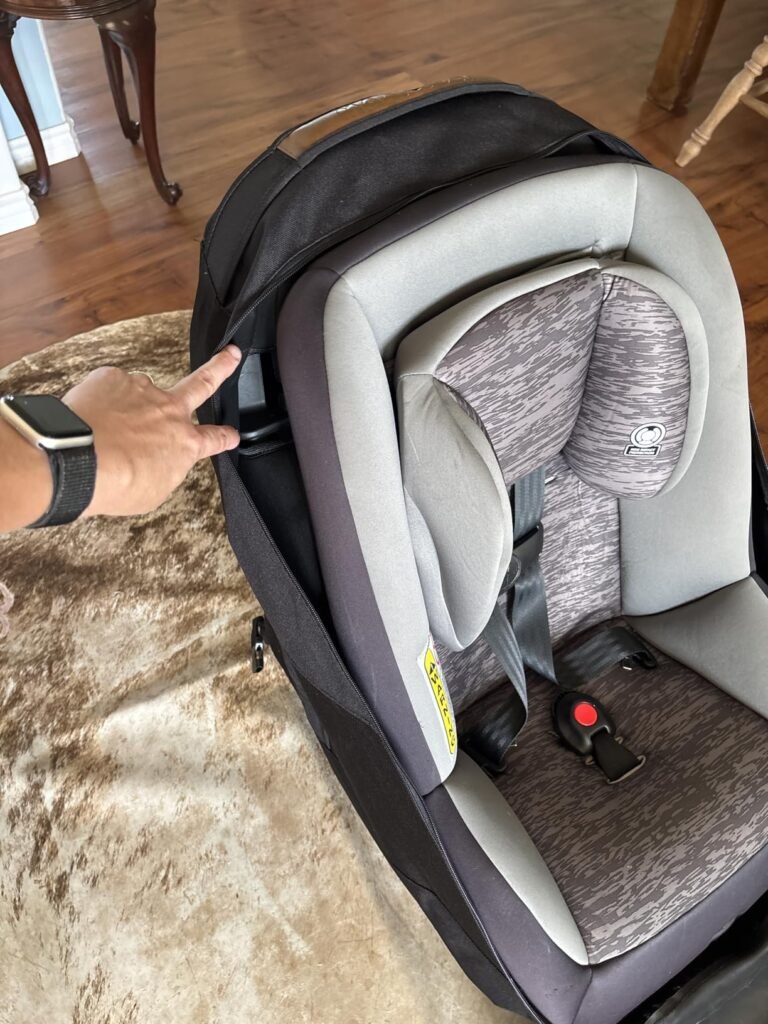
Safety Features in Maxi Cosi Car Seats
Modern models emphasize multiple layers of protection.
Common safety features:
Side-impact protection
Energy-absorbing foam
5-point harness system
Impact-absorbing shell
Stable base anchoring
These features work together to reduce crash forces on the child.
Installation Systems: ISOFIX and Belt
Maxi Cosi seats typically install using:
ISOFIX anchor connectors
Vehicle seat belt
Base docking system
ISOFIX provides rigid anchoring to the car frame, improving stability and ease of installation.
Comfort and Ergonomics
Beyond safety, comfort is essential for long rides.
Design elements often include:
Plush padding
Breathable fabrics
Head support cushions
Recline positions
Adjustable harness height
Proper ergonomics support posture and reduce fatigue during travel.
Growth Stages and Seat Progression
Children transition through seat stages:
Infant seat (rear-facing)
Convertible or rotating seat
Forward-facing toddler seat
Booster seat
A Maxi Cosi 360 car seat often spans multiple stages, extending usability.
Cleaning and Maintenance
Child car seats require frequent cleaning.
Look for:
Removable covers
Machine-washable fabric
Wipe-clean shell
Stain-resistant materials
Easy cleaning helps maintain hygiene and longevity.
Travel and Airline Compatibility
Many infant car seats are approved for aircraft use. Travel-friendly models often include:
Compact design
Certification labels
Carry handle
Belt installation option
This makes them suitable for air travel with infants.
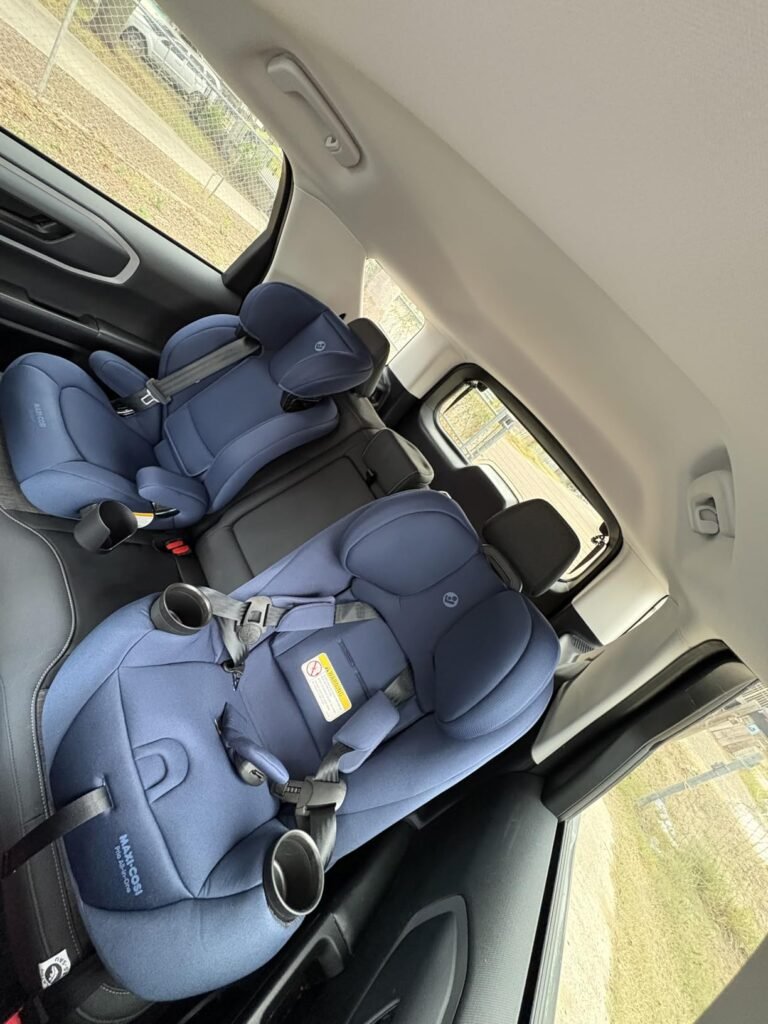
Choosing the Right Maxi Cosi Car Seat
Consider:
Child age and size
Vehicle compatibility
Travel frequency
Rotation preference
Stroller integration
Matching seat type to lifestyle improves convenience and safety.
Common Parent Mistakes
Avoid:
Incorrect installation angle
Loose harness straps
Early forward-facing transition
Using wrong size insert
Skipping manual instructions
Proper installation is essential for protection.
Maxi Cosi Car Seat and Stroller Benefits
Parents value integrated systems because they:
Reduce transfer disturbance
Simplify outings
Improve mobility
Save time
Maintain baby comfort
Travel systems are especially helpful during infancy.
Frequently Asked Questions
Is Maxi Cosi a safe car seat brand?
Yes, it meets international child safety standards.
What is a Maxi Cosi 360 car seat?
A rotating car seat that turns toward the door for easier access.
Can Maxi Cosi infant seats attach to strollers?
Yes, many are designed for stroller compatibility.
How long can babies use infant car seats?
Typically up to 12–15 months depending on size limits.
Are Maxi Cosi travel car seats airline approved?
Many infant models are approved; check certification label.
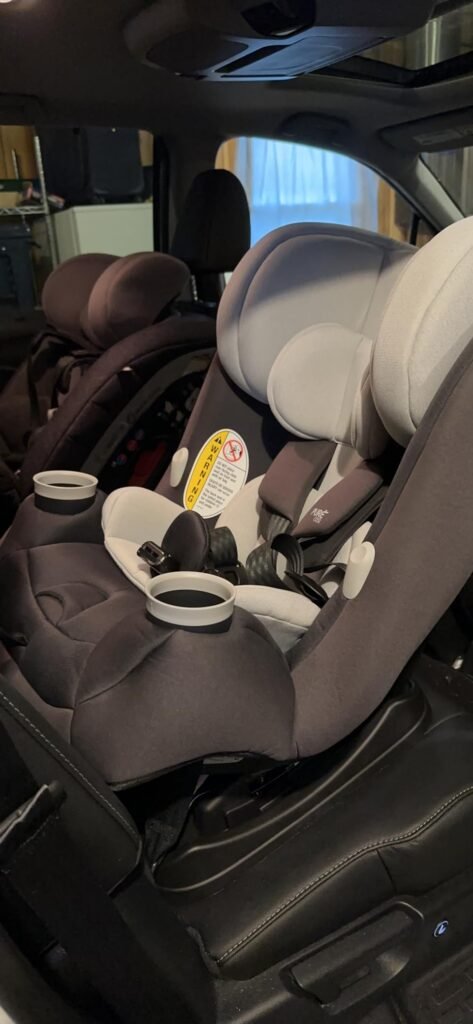
Rear-Facing Safety: Why It Matters Longer Than You Think
Rear-facing travel is the safest position for babies and toddlers because it supports the entire head, neck, and spine during sudden deceleration. In a forward-facing position, crash forces concentrate on the neck; in rear-facing seats, the shell absorbs and distributes energy across the back.
Most child safety experts recommend keeping children rear-facing as long as the seat’s height and weight limits allow. Many modern rotating models make extended rear-facing easier by allowing parents to turn the seat toward the door for loading and harnessing, then rotate it back for travel.
How 360° Rotation Mechanisms Work
Rotating seats use a locked base anchored to the vehicle, while the seating shell sits on a pivot system. When unlocked, the seat turns toward the car door; once the child is secured, it rotates back to a travel position and clicks into place.
Benefits of rotation include:
Easier placement of infant or toddler
Improved harness access
Reduced lifting strain
Faster loading in tight spaces
Rotation does not reduce safety when the seat is properly locked into the travel position before driving.
Harness Fit: Critical for Protection
Correct harness adjustment is essential. A properly fitted harness should lie flat and snug across the child’s body without slack.
Key harness guidelines:
Straps at or below shoulders for rear-facing
Straps at or above shoulders for forward-facing
Chest clip at armpit level
No twists in webbing
Loose harnessing is one of the most common car seat safety errors.
Recline Angle and Infant Positioning
Newborns require a reclined angle to keep the airway open. Infant seats are designed to maintain a safe recline that prevents the head from falling forward.
Proper recline:
Supports head and neck
Keeps airway aligned
Prevents slumping
Improves comfort
Many seats include angle indicators or leveling guides to ensure correct positioning during installation.
Side-Impact Protection Explained
Side collisions present different forces than frontal impacts. Protective design features may include:
Energy-absorbing foam layers
Reinforced side wings
Deep headrest structure
Impact-absorbing shell geometry
These elements help reduce lateral movement and protect the head and torso during side impacts.
Seat Base Stability and Anchoring
A stable base prevents excessive movement during travel. Anchoring systems secure the seat to the vehicle frame rather than relying only on the seat cushion.
Stable installation provides:
Reduced seat rotation in crash
Consistent angle retention
Improved structural support
Easier repeat installation
Proper anchoring is critical for safety performance.
Transitioning From Infant Seat to Next Stage
As children grow, they outgrow infant carriers by height or weight. Signs it’s time to transition include:
Head approaching top edge
Shoulders above harness slots
Weight limit reached
Reduced leg space
Rotating or convertible seats allow continued rear-facing use after the infant stage.
Travel Convenience for Parents
Portable infant seats support daily mobility by allowing babies to remain asleep during transfers.
Travel advantages include:
Move from car to stroller without waking
Carry sleeping infant indoors
Quick vehicle installation
Lightweight portability
This convenience is especially valuable during early infancy.
Stroller Integration and Everyday Use
Integrated travel systems allow the car seat to attach directly to stroller frames. This eliminates the need to move the baby between devices.
Benefits include:
Seamless transitions
Faster errands
Reduced disturbance
Consistent support
Travel systems simplify outings during the first year.
Cleaning After Spills and Accidents
Infant travel inevitably includes spills or diaper leaks. Easy cleaning supports hygiene and seat longevity.
Maintenance tips:
Remove and wash covers regularly
Wipe shell with mild cleaner
Air-dry padding thoroughly
Avoid harsh chemicals
Regular care keeps the seat comfortable and safe.
Longevity and Expiration Awareness
All car seats have a lifespan due to material aging and evolving safety standards. Over time, plastics and foams degrade, reducing structural reliability.
Typical lifespan:
6–10 years depending on model
Always check manufacturing date and expiration guidelines. Seats involved in moderate or severe crashes should be replaced even if damage is not visible.
Climate Comfort for Infants and Toddlers
Temperature regulation matters for travel comfort. Quality seat fabrics balance warmth and breathability.
Features supporting comfort:
Ventilated padding
Moisture-wicking fabric
Breathable mesh zones
Temperature-stable foam
These help prevent overheating during longer rides.
Vehicle Compatibility Considerations
Not all seats fit all vehicles equally. Important factors include:
Seat depth
Backseat angle
Anchor point location
Door opening space
Rotating seats require sufficient clearance to turn freely toward the door.
Safe Everyday Use Habits
Consistent safe practices maximize protection.
Daily habits:
Tight harness every ride
Correct chest clip position
No bulky clothing under straps
Secure base lock
No loose objects nearby
Proper routine use ensures reliable safety.
Comfort and Child Behavior
Comfortable seats support calmer travel. When a child feels supported and secure, they are more likely to relax or sleep during rides.
Comfort elements influencing behavior:
Padding softness
Head support alignment
Stable seating angle
Temperature comfort
A relaxed child reduces distraction for drivers.
Extended Use Benefits
High-quality child seats support growth across stages. Extended-use designs allow:
Longer rear-facing period
Adjustable harness height
Multiple recline positions
Headrest growth adjustment
This extends safe usage as the child develops.
Extended Conclusion Section
Choosing the right child restraint involves more than brand or appearance. Factors such as rotation convenience, harness fit, recline angle, anchoring stability, and growth adaptability all contribute to safe and comfortable travel. Infant carriers support early positioning needs, while rotating designs improve access and extend rear-facing use through toddler stages. Integrated stroller compatibility simplifies daily mobility for parents, and durable construction ensures long-term reliability.
When properly installed and adjusted, a high-quality child seat provides consistent protection, ergonomic comfort, and travel convenience throughout early childhood.