
Premium Cast Iron Cookware Set for Every Kitchen 2026
Upgrade your kitchen with a premium cast iron cookware set. Long-lasting performance and classic cooking results.
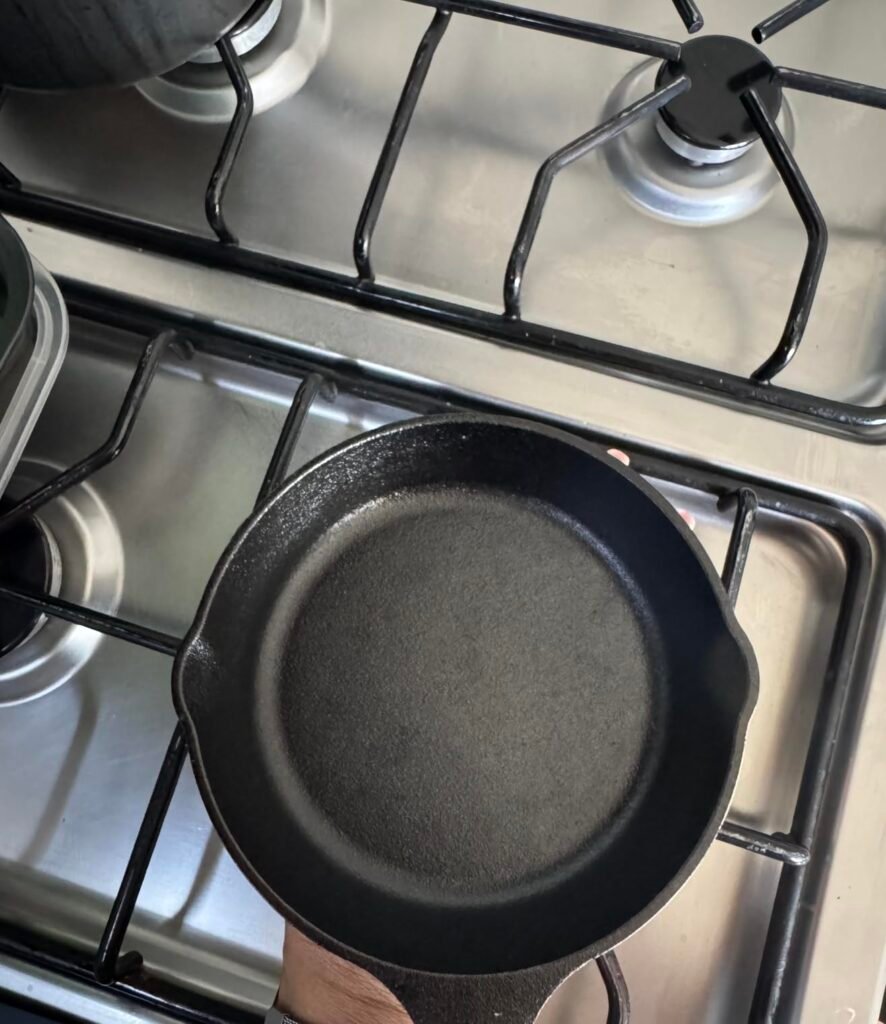
Why Choosing the Right Cookware Set Matters
Cookware isn’t just about aesthetics. The material directly affects:
Heat distribution
Cooking performance
Durability
Maintenance requirements
Food flavor and texture
Long-term value
A well-chosen set can last years — even decades — while improving your results in the kitchen.
Cast Iron Cookware Set: Timeless Durability and Heat Retention
Few materials match the reputation of cast iron. A cast iron cookware set is known for strength, superior heat retention, and versatility.
Why Cast Iron Is So Popular
Exceptional heat retention
Even heat distribution
Naturally nonstick when seasoned
Oven-safe at high temperatures
Long lifespan
Cast iron performs especially well for:
Searing meats
Frying
Baking cornbread
Slow cooking
Outdoor cooking
What Comes in a Typical Cast Iron Cookware Set?
Most sets include:
Skillets (various sizes)
Dutch oven
Griddle pan
Saucepan
Lid covers
Some premium sets also include grill pans and specialty pieces.
Pros and Cons of Cast Iron
Advantages
Extremely durable
Improves with age
Excellent for high-heat cooking
Considerations
Heavy weight
Requires seasoning
Not dishwasher safe
Proper care ensures decades of performance.
Enameled Cast Iron Cookware Set: The Best of Both Worlds
An enameled cast iron cookware set offers the heat retention of traditional cast iron without the need for seasoning.
What Makes Enameled Cast Iron Different?
It features a porcelain enamel coating over the cast iron base.
Benefits include:
No seasoning required
Rust-resistant surface
Easier cleaning
Beautiful color options
Acid-resistant cooking surface
It’s ideal for soups, stews, braising, and slow cooking.
Is Enameled Cast Iron Worth It?
Yes, especially for:
Home cooks who prefer low maintenance
Cooking acidic dishes (like tomato sauces)
Elegant oven-to-table presentation
It combines performance with visual appeal.
Stainless Steel Cookware Set: Precision and Professional Performance
A stainless steel cookware set is a staple in professional kitchens.
Why Chefs Prefer Stainless Steel
Durable and long-lasting
Non-reactive surface
Excellent for browning
Dishwasher safe
Sleek modern appearance
High-quality stainless steel sets often include aluminum or copper cores for improved heat conductivity.
Best Uses for Stainless Steel
Browning meats
Deglazing sauces
Boiling pasta
Simmering soups
Everyday cooking
It offers excellent control for serious cooks.
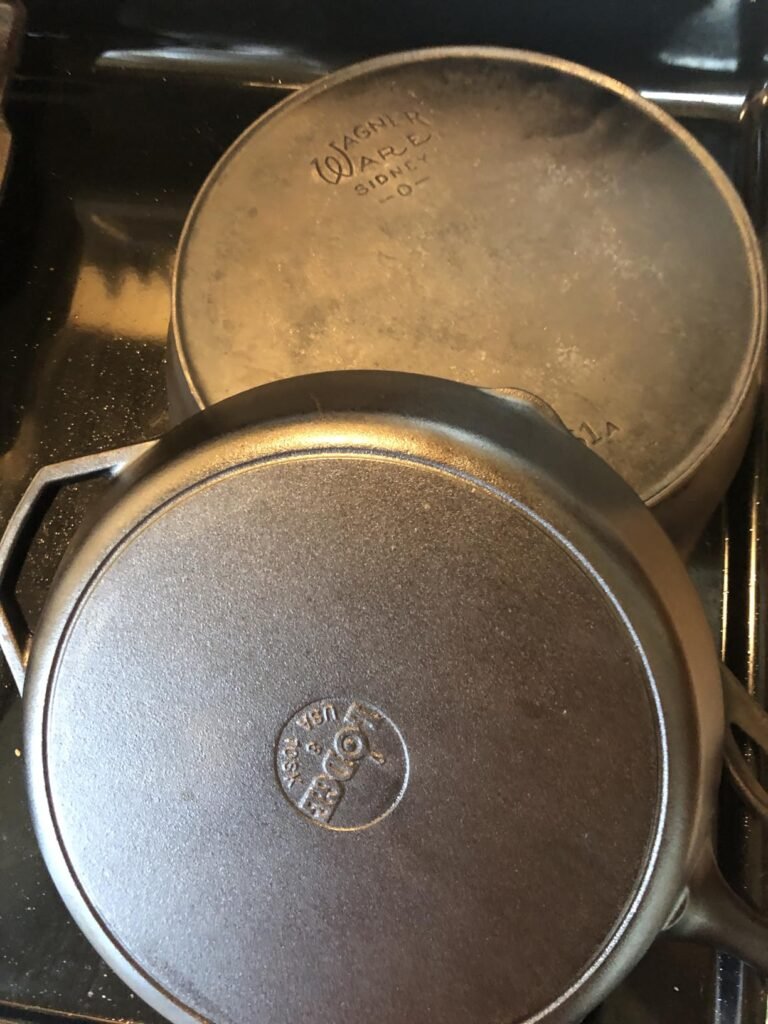
How to Choose the Right Cookware Set for Your Needs
Ask yourself:
Do you cook daily?
Do you prefer low maintenance?
Do you cook at high heat often?
Do you use induction cooktops?
Is weight a concern?
Your answers guide the best choice.
Induction Compatibility
Most cast iron and stainless steel cookware are induction compatible. Always check product details before purchasing.
Comparing Cookware Materials Side by Side
| Feature | Cast Iron | Enameled Cast Iron | Stainless Steel | Nonstick |
|---|---|---|---|---|
| Heat Retention | Excellent | Excellent | Moderate | Moderate |
| Maintenance | High | Low | Low | Low |
| Durability | Very High | High | Very High | Moderate |
| Nonstick Surface | Yes (seasoned) | Yes (coated) | No | Yes |
| Best For | Searing, baking | Braising, stews | Browning, sauces | Eggs, fish |
Each material serves different cooking styles.
Cleaning and Maintenance Guide
Cast Iron
Hand wash only
Dry immediately
Apply light oil after cleaning
Enameled Cast Iron
Avoid metal utensils
Use gentle scrubbers
Avoid thermal shock
Stainless Steel
Dishwasher safe
Use baking soda for stubborn stains
Nonstick
Hand wash preferred
Avoid metal utensils
Use low to medium heat
Proper maintenance extends lifespan.
Common Cookware Buying Mistakes
Buying too many pieces
Ignoring material differences
Choosing lowest price only
Not checking stovetop compatibility
Overlooking warranty
Quality matters more than quantity.
How Many Pieces Do You Really Need?
A practical cookware set should include:
2–3 skillets
1 saucepan
1 stockpot
1 sauté pan
1 Dutch oven
Overloading with unnecessary pieces increases clutter.
Long-Term Investment Value
While premium cookware costs more upfront, it often lasts much longer.
A high-quality cast iron cookware set can last generations. Stainless steel sets often survive decades. Nonstick may need replacing every few years depending on use.
Frequently Asked Questions
Is cast iron better than stainless steel?
It depends on cooking style. Cast iron excels in heat retention, while stainless steel offers precision and low maintenance.
Is enameled cast iron healthier?
It provides a non-reactive surface without seasoning concerns.
What is the best nonstick cookware set for daily cooking?
Look for durable, PFOA-free coatings and reinforced bases.
How long does a good non stick cookware set last?
Typically 3–5 years depending on care and usage.
Can I mix cookware materials?
Yes. Many cooks combine cast iron, stainless steel, and nonstick for versatility.
Kitchen Setup Strategy: Combining Cookware Types
Many experienced cooks prefer a hybrid approach:
Cast iron for searing
Stainless steel for sauces
Nonstick for delicate items
This combination covers all cooking needs efficiently.
Sustainability and Eco Considerations
Cast iron and stainless steel are long-lasting, reducing waste. Choosing durable cookware lowers environmental impact over time.
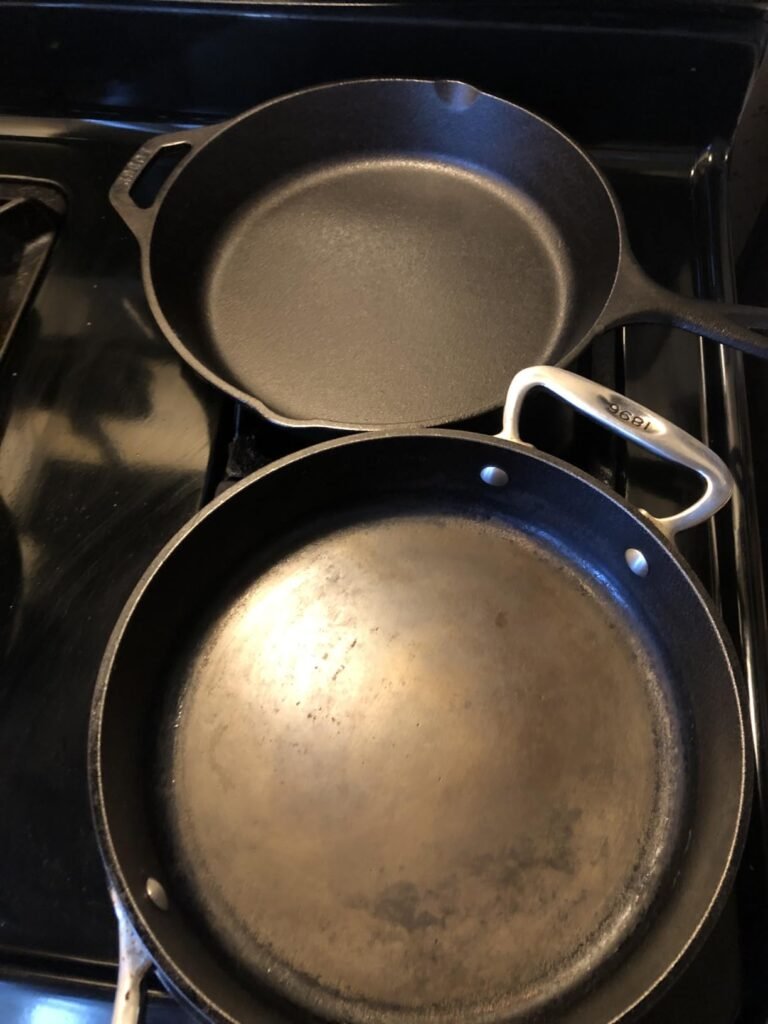
How Professional Chefs Choose Their Cookware
Professional kitchens rarely rely on just one material. Instead, chefs select cookware based on technique.
Understanding this approach can help you build a smarter kitchen.
For High-Heat Searing
Chefs often rely on a cast iron cookware set because of its superior heat retention. When you need a perfect crust on steak or crispy skin on chicken, cast iron excels.
For Sauce Work and Precision
A stainless steel cookware set offers better temperature control for delicate sauces, reductions, and sautéing.
For Delicate Foods
Eggs, fish, and pancakes often perform best in the best nonstick cookware set, especially for beginner cooks.
Most experienced cooks mix materials rather than choosing only one.
Heat Conductivity Explained (Why It Matters)
One of the most overlooked factors when buying cookware is heat conductivity.
Different materials heat differently:
Cast iron heats slowly but retains heat longer
Stainless steel heats quickly (especially with aluminum core)
Nonstick pans heat fast but require lower temperatures
This affects cooking results significantly.
For example:
Cast iron is excellent for steady, even browning
Stainless steel is ideal for fast temperature adjustments
Nonstick works best for low-to-medium heat cooking
Understanding this helps prevent overcooking or uneven results.
Weight and Handling Considerations
Before buying a cookware set, consider weight.
Cast Iron
Very heavy but extremely durable. Great for stationary cooking.
Enameled Cast Iron
Also heavy but easier to maintain.
Stainless Steel
Moderate weight and easier to maneuver.
Nonstick
Lightweight and comfortable for daily use.
If wrist strength or comfort is important, a good non stick cookware set may be more practical for everyday tasks.
Oven Safety and Temperature Limits
Not all cookware handles high oven temperatures.
Cast iron cookware sets can withstand very high heat.
Enameled cast iron is oven-safe but may have specific limits.
Stainless steel is usually oven-safe (check handle materials).
Nonstick cookware often has lower maximum temperature limits.
Always review manufacturer guidelines before baking or broiling.
Cooking Performance by Food Type
Here’s how each material performs with common foods:
Steak & Burgers
Best: Cast iron
Pasta & Boiling
Best: Stainless steel
Eggs & Omelets
Best: Nonstick
Braised Dishes
Best: Enameled cast iron
Stir Fry
Best: Stainless steel or cast iron
This flexibility explains why many kitchens use multiple materials.
How Long Should a Cookware Set Last?
Durability varies by material and care.
Cast iron cookware set: Can last generations
Stainless steel cookware set: 10–20+ years
Enameled cast iron cookware set: 10–15 years
Good non stick cookware set: 3–5 years
Proper maintenance dramatically extends lifespan.
Signs It’s Time to Replace Your Cookware
Watch for:
Warped bottoms
Peeling nonstick coating
Severe scratching
Uneven heating
Loose handles
Nonstick surfaces should never peel — that’s a clear sign replacement is needed.
Cookware and Health: What You Should Know
Many buyers worry about safety.
Cast Iron
Can add trace amounts of iron to food (beneficial for many people).
Stainless Steel
Non-reactive and safe for acidic foods.
Enameled Cast Iron
Non-reactive coating prevents metallic taste.
Nonstick
Choose PFOA-free coatings from reputable brands.
Modern cookware standards prioritize food safety, but always purchase from trusted manufacturers.
Storage Tips for Cookware Sets
Proper storage prevents scratches and extends longevity.
Stack Carefully
Use pan protectors between nonstick pans.
Hang When Possible
Great for cast iron or stainless steel.
Avoid Overcrowding Cabinets
Heavy stacking can damage surfaces.
Organized storage protects your investment.
Budget Breakdown: Entry-Level vs Premium Sets
Cookware sets range widely in price.
Entry-Level
Lighter construction
Basic coatings
Shorter lifespan
Mid-Range
Better heat cores
Improved durability
Longer warranties
Premium
Multi-layer bonded metals
Professional-grade construction
Long-term durability
While a best nonstick cookware set doesn’t need to be the most expensive, quality materials usually outperform cheaper alternatives.
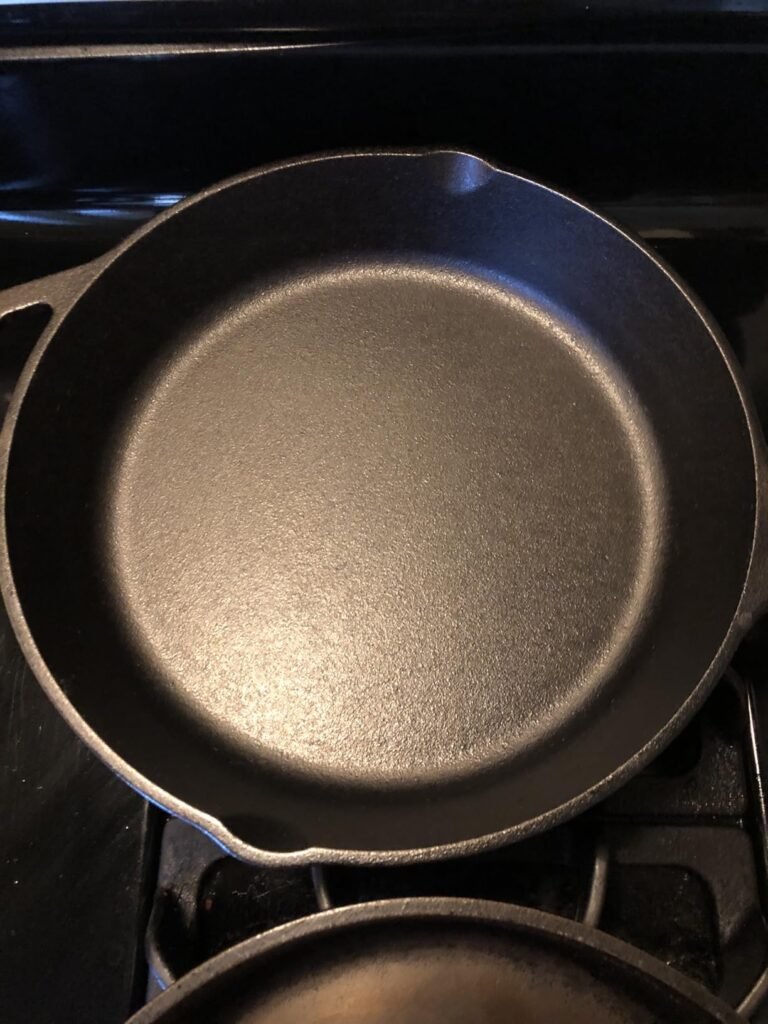
Warranty and Brand Reputation
Before purchasing, check:
Length of warranty
Replacement policy
Brand reputation
Customer reviews
A strong warranty indicates confidence in product durability.
Building a Balanced Cookware Collection
Rather than relying on one type alone, consider combining:
Cast iron for searing
Stainless steel for precision
Nonstick for convenience
Enameled cast iron for slow cooking
This approach gives you maximum versatility in the kitchen.
Cooking Skill Level and Cookware Choice
Your experience level matters.
Beginners
A good non stick cookware set simplifies cooking and reduces frustration.
Intermediate Cooks
Stainless steel offers greater control and technique development.
Advanced Home Chefs
Cast iron and stainless steel provide professional-level performance.
Choose cookware that matches your skill level and cooking style.
Eco-Friendly Considerations
Durability equals sustainability.
Long-lasting materials like cast iron and stainless steel reduce waste over time. Investing in quality reduces frequent replacement cycles.
Frequently Asked Questions (Expanded)
Is cast iron hard to maintain?
Not once properly seasoned. Routine oiling keeps it in great condition.
Does stainless steel stick?
It can if not preheated properly. Heating the pan before adding oil reduces sticking.
Is nonstick safe at high heat?
Nonstick performs best at low to medium heat. Avoid overheating.
Is enameled cast iron dishwasher safe?
Some are, but hand washing preserves coating longevity.
Can I use metal utensils?
Safe for cast iron and stainless steel. Avoid metal on nonstick or enamel.
Final Extended Conclusion
Choosing the right cookware set impacts every meal you prepare. A cast iron cookware set offers unmatched durability and heat retention. A stainless steel cookware set delivers precision and professional performance. The best nonstick cookware set provides convenience and easy cleanup, while an enameled cast iron cookware set combines beauty with functionality.
Understanding how each material performs — and matching it to your cooking habits — ensures you invest wisely. With the right cookware in your kitchen, cooking becomes more enjoyable, efficient, and rewarding.