
Best Dog Treadmill in 2026
Discover the best dog treadmill options for small and large breeds with quiet motors.
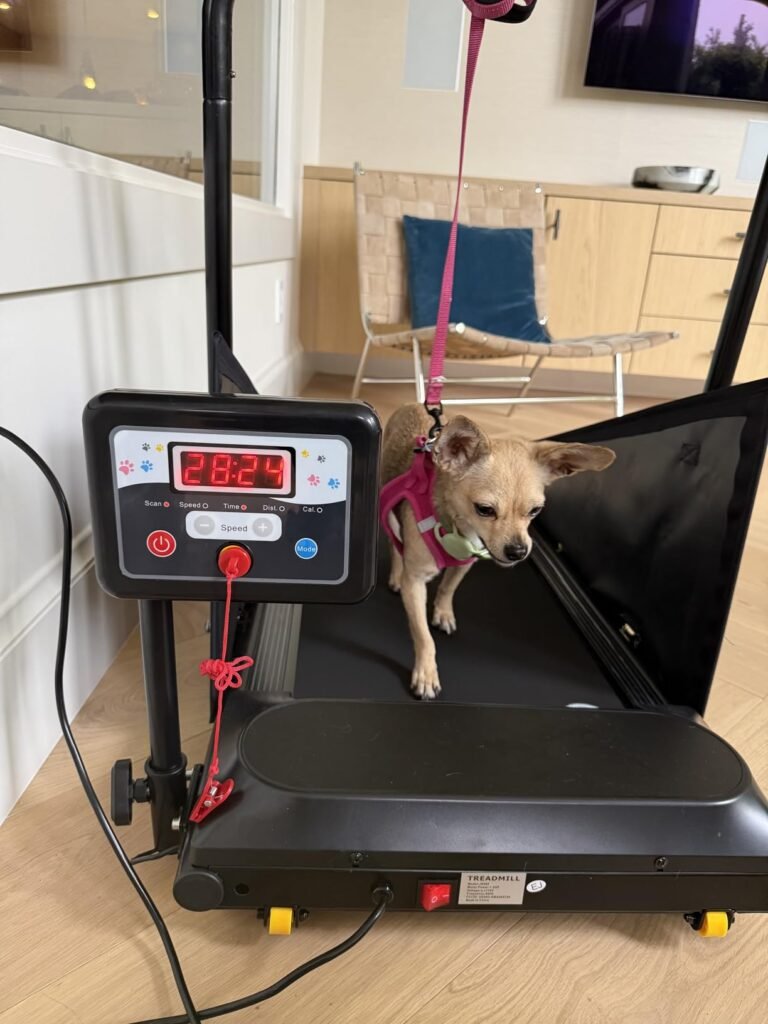
Dog Treadmill: Complete Guide to Indoor Exercise, Training, and Choosing the Right Dog Treadmill
Keeping dogs physically active is essential for health, behavior, and mental well-being. When outdoor exercise is limited by weather, schedule, or space, a dog treadmill can provide safe and controlled indoor activity. Whether you’re researching a treadmill for dogs, comparing different dog treadmills, looking for a dog treadmill for large dogs, or searching for a dog treadmill for sale, this complete guide explains how canine treadmills work, their benefits, and how to choose the right model.
What Is a Dogs Treadmill?
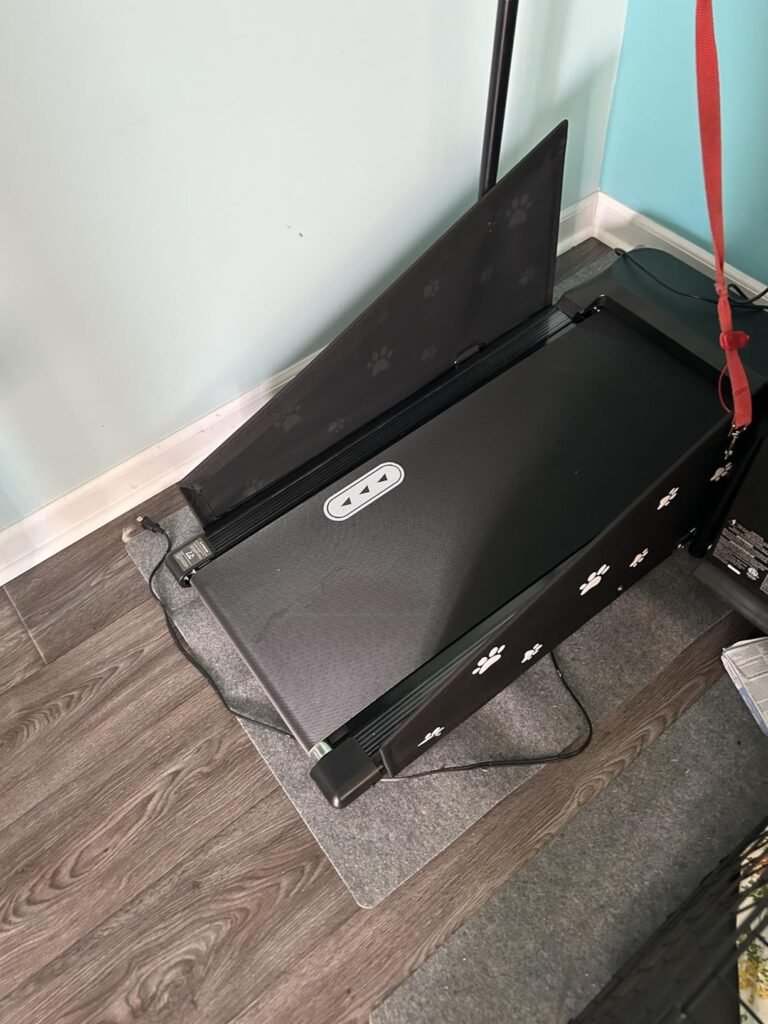
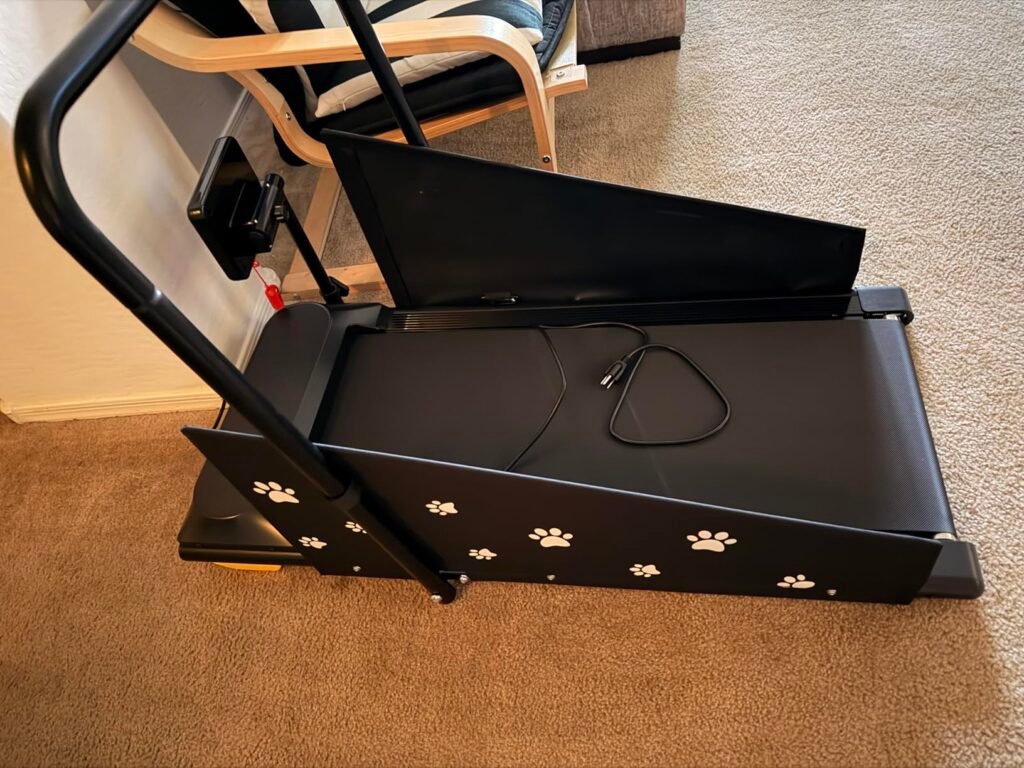
A dog treadmill is an exercise machine designed specifically for canine movement patterns and safety. Unlike human treadmills, they include features adapted to dogs such as longer running surfaces, side safety rails, and quieter motors.
Typical components include:
Running belt
Side panels or rails
Speed controls
Safety stop
Low entry height
These design elements help dogs walk or run comfortably and safely.
Why Dogs Use Treadmill
Dogs may use treadmills when outdoor exercise is restricted or insufficient.
Common situations:
Extreme weather
Urban living
Limited yard space
Rehabilitation needs
High-energy breeds
Indoor exercise supports consistent activity regardless of environment.
Health Benefits of Dog Tread mills
Regular treadmill exercise can support:
Weight management
Cardiovascular fitness
Muscle tone
Joint mobility
Mental stimulation
Controlled pace allows safe conditioning.
Treadmill for Dogs vs Human Tread mill
Some owners consider using human treadmills. However, dog-specific treadmills are safer because they match canine stride length and posture.
Dog treadmills provide:
Longer belt length
Side safety barriers
Lower height
Quieter operation
Remote or gradual speed control
Human treadmills may be too short or noisy for dogs.
Dog Tread mill for Large Dogs: Key Features
Large breeds require specialized treadmill dimensions and strength.
Important features include:
Extended running surface
Higher weight capacity
Strong motor
Wide belt
Stable frame
A dog treadmill for large dogs must accommodate stride and body size comfortably.
Small vs Large Dog Treadmills
Size determines treadmill suitability.
Small dog treadmills:
Shorter belt
Lower speed range
Lightweight frame
Large dog treadmills:
Long belt
Strong motor
Wider track
Heavy-duty frame
Matching treadmill size prevents injury and improves comfort.
Rehabilitation and Therapy Use
Veterinarians and canine therapists sometimes use treadmills during recovery.
Therapeutic benefits:
Controlled movement
Gradual conditioning
Muscle rebuilding
Joint mobility
Hydrotherapy treadmills are also used clinically.
Behavioral Benefits of Indoor Exercise
Insufficient exercise contributes to behavioral issues.
Treadmill activity can reduce:
Excess energy
Anxiety
Destructive behavior
Hyperactivity
Regular activity supports calmer behavior indoors.
Training a Dog to Use a Treadmill
Dogs must be introduced gradually.
Training steps:
Familiarize with treadmill
Encourage standing
Start slow speed
Reward movement
Increase duration gradually
Positive reinforcement helps dogs adapt safely.
Safety Guidelines for Dog Treadmill Use
Safe treadmill practice includes:
Supervised sessions
Gradual speed increase
Proper harness use
Rest intervals
Session limits
Safety ensures injury-free exercise.
Exercise Duration Guidelines
Duration depends on dog fitness and size.
Typical ranges:
Beginners → short sessions
Moderate fitness → moderate sessions
High-energy breeds → longer sessions
Sessions should match conditioning level.
Dog Treadmills for Sale: Buying Considerations
When searching dog treadmills for sale, evaluate:
Size compatibility
Weight capacity
Motor power
Belt length
Safety features
Quality construction improves longevity.
Indoor Exercise During Weather Extremes
Heat, cold, or storms can limit outdoor activity. A treadmill allows consistent exercise regardless of weather.
Benefits include:
Year-round activity
Schedule flexibility
Climate control
Safe indoor surface
Consistency supports fitness.
Maintenance of Dog Treadmills
Proper care extends equipment life.
Maintenance tips:
Clean belt
Check tension
Inspect motor
Lubricate parts
Store dry
Well-maintained treadmills run safely.
Frequently Asked Questions
Are dog treadmills safe?
Yes, when used correctly and supervised.
Can large dogs use treadmills?
Yes, with models sized for large breeds.
How long should dogs use a treadmill?
Duration depends on fitness level.
Are dog treadmills worth it?
They provide consistent indoor exercise.
Where can I find dog treadmill for sale?
Pet fitness retailers and specialty suppliers.
How Treadmill Exercise Supports Canine Fitness
Consistent movement is essential for maintaining a dog’s cardiovascular health and muscle strength. Indoor treadmill sessions allow controlled, repeatable exercise that supports conditioning without environmental variables like terrain or weather.
Regular treadmill activity can help:
Improve endurance
Strengthen muscles
Support joint flexibility
Burn excess energy
Maintain healthy weight
Because pace and duration are adjustable, exercise can be tailored precisely to each dog’s needs.
Controlled Pace vs Outdoor Exercise
Outdoor walks vary in speed and terrain, while a treadmill for dogs provides steady pacing. Consistent motion allows gradual conditioning without sudden acceleration or stops.
Controlled pacing benefits include:
Predictable stride rhythm
Even muscle engagement
Reduced joint strain
Measurable progress
This makes treadmills useful for both fitness and rehabilitation programs.
Conditioning High-Energy Breeds Indoors
Active breeds often require more exercise than daily schedules allow. Indoor treadmill training provides additional activity without long outdoor sessions.
High-energy breeds that may benefit include:
Herding breeds
Sporting breeds
Working breeds
Large active dogs
Supplemental treadmill exercise can reduce restlessness and improve behavior balance.
Dog Treadmill for Large Dogs: Stride Considerations
Large dogs have longer stride length and greater body mass. A dog treadmill for large dogs must allow full natural gait without forcing shortened steps.
Large-breed treadmill requirements:
Long running surface
Wide belt
Strong motor torque
High weight capacity
Stable frame
Insufficient belt length can disrupt gait and cause discomfort.
Incline and Resistance Training
Some dog treadmills allow incline adjustment, increasing resistance and muscle engagement. Incline walking can strengthen hind limbs and improve conditioning.
Benefits of incline training:
Increased muscle activation
Improved endurance
Joint-friendly strength building
Controlled resistance
Incline should be introduced gradually.
Weight Management and Indoor Activity
Dogs prone to weight gain may benefit from controlled indoor exercise when outdoor activity is inconsistent. Treadmill sessions burn calories without environmental limitations.
Weight management advantages:
Consistent activity
Adjustable duration
Low-impact movement
Repeatable routine
Combined with diet control, treadmill use supports healthy weight.
Mental Stimulation Through Structured Exercise
Exercise provides both physical and mental benefits. Treadmill routines introduce structure and focus, which can reduce boredom-related behaviors.
Mental benefits include:
Routine formation
Task engagement
Energy outlet
Reduced anxiety
Dogs often become calmer after structured activity.
Safe Harness Use on Dog Treadmills
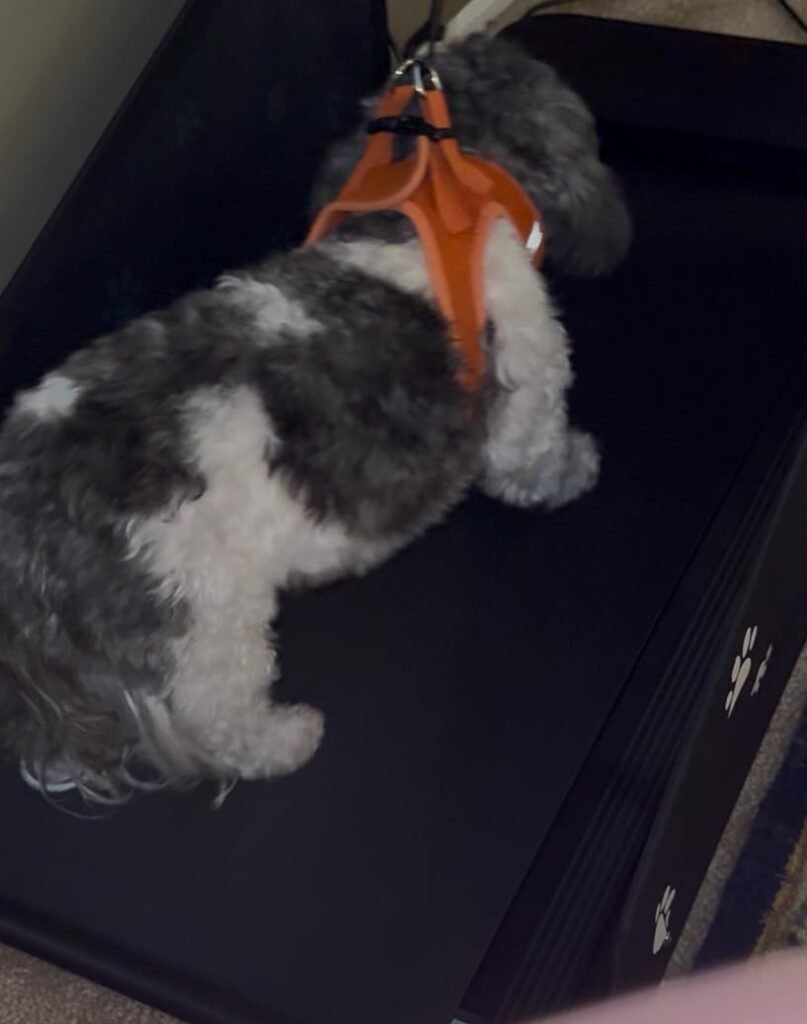
A harness provides stability and guidance during treadmill sessions. It helps maintain alignment without restricting movement.
Harness benefits:
Body support
Position control
Safety guidance
Comfort distribution
Collars should not be used for treadmill training.
Session Frequency Planning
Exercise frequency depends on fitness level and breed energy.
General approach:
Beginners → few short sessions weekly
Moderate fitness → regular sessions
High-energy dogs → more frequent sessions
Consistency is more important than duration.
Signs a Dog Enjoys Treadmill Exercise
Positive treadmill engagement includes:
Willing approach
Relaxed posture
Steady gait
Normal breathing
Tail neutral or relaxed
Comfortable dogs adapt quickly to indoor exercise routines.
Signs of Overexertion
Sessions should stop if a dog shows:
Heavy panting
Lagging behind belt
Stiff gait
Reluctance
Fatigue
Gradual conditioning prevents strain.
Dog Treadmills for Sale: Quality Indicators
When evaluating dog treadmills for sale, quality construction ensures safety and longevity.
Important indicators:
Solid frame
Smooth belt motion
Quiet motor
Stable base
Reliable controls
Durable construction supports long-term use.
Indoor Exercise During Urban Living
Dogs living in apartments or dense cities often have limited outdoor space. A treadmill for dogs provides activity without needing large areas.
Urban benefits:
Space-efficient exercise
Weather-independent activity
Consistent routine
Reduced scheduling constraints
Indoor equipment compensates for limited outdoor access.
Multi-Dog Household Use
Dog treadmills can be used by multiple dogs if sized appropriately. Each dog should be trained individually and supervised.
Shared treadmill benefits:
Cost efficiency
Shared exercise space
Individual conditioning
Size compatibility remains essential.
Seasonal Exercise Continuity
Weather extremes often interrupt outdoor exercise routines. Treadmills maintain continuity during:
Heat waves
Heavy rain
Snow or ice
Air quality issues
Consistency supports long-term fitness.
Extended Conclusion
Dog treadmills provide structured, controllable indoor exercise that supports cardiovascular fitness, muscle conditioning, weight management, and behavioral balance. Models designed specifically for canine use accommodate stride length, body size, and safety requirements, especially in large breeds. Whether used for conditioning, rehabilitation, or supplemental activity, treadmill exercise allows year-round physical engagement regardless of environment.
With proper training, supervision, and size-appropriate equipment, dog treadmills offer a safe and effective way to maintain canine health and activity in modern living conditions.