
Best Girls Snow Boots in 2026
Discover the best girls snow boots with insulation, grip soles, and stylish designs.
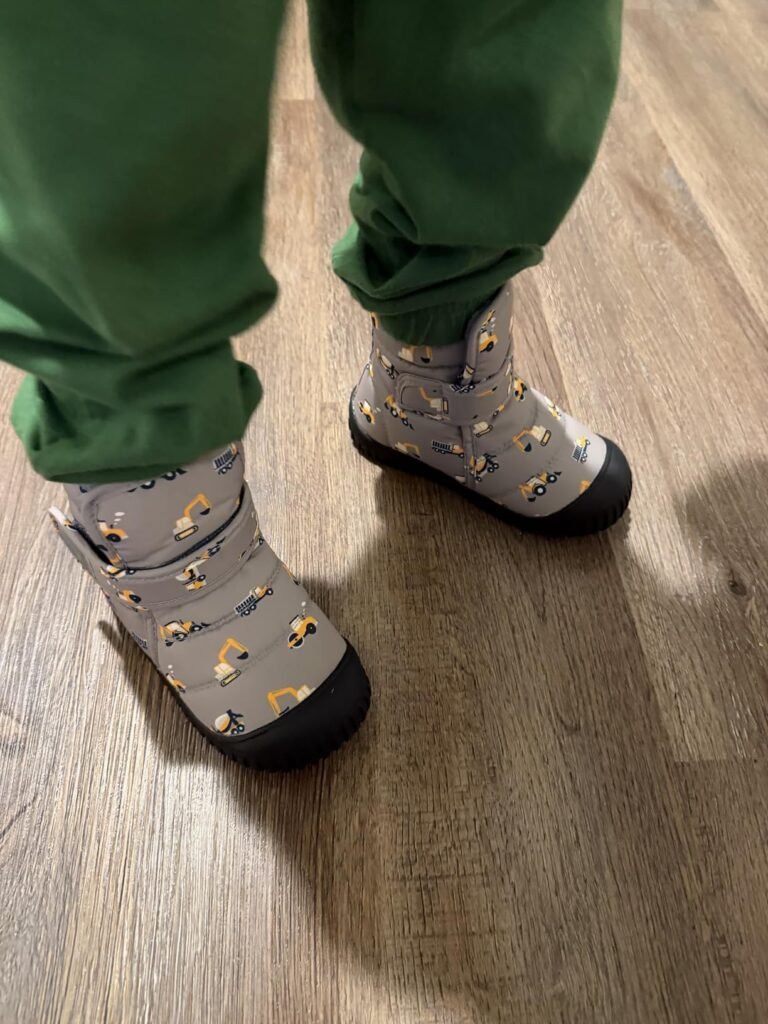
Girls Snow Boots: Complete Guide to Warm, Waterproof, and Durable Snow Boots for Girls
Keeping children’s feet warm and dry during winter is essential for comfort and health. High-quality girls snow boots are designed to protect against cold temperatures, snow, and moisture while providing stability on slippery surfaces. Whether you’re comparing snow boots girls styles, choosing toddler girl snow boots, or shopping for durable snow boots for girls, this guide explains everything parents need to know before buying.
From insulation and waterproofing to fit and safety, here’s how to choose the right winter boots for girls of all ages.
Why Girls Need Proper Snow Boots
Regular shoes or fashion boots are not designed for snow conditions. Snow boots provide specialized protection against winter elements.
Key winter challenges include:
Freezing temperatures
Wet snow
Slush and ice
Cold ground contact
Slippery surfaces
Proper girl snow boots keep feet warm, dry, and stable during outdoor play.
Key Features of Quality Snow Boots for Girls
The best snow boots for girls include several essential features:
Waterproof outer shell
Insulated lining
Non-slip outsole
Secure closure
Warm inner lining
These elements work together to protect feet from cold and moisture.
Waterproof Protection
Snow exposure quickly soaks ordinary footwear. Waterproof construction prevents moisture from entering the boot.
Waterproof components include:
Rubber lower shell
Sealed seams
Water-resistant upper
Snow cuff or collar
Dry feet maintain warmth and comfort during winter activity.
Insulation and Warmth
Insulation traps body heat inside the boot while blocking cold air. Materials vary by model and climate level.
Common insulation types:
Fleece lining
Faux fur
Synthetic insulation
Thermal lining
Proper insulation allows children to play longer outdoors without cold discomfort.
Toddler Girl Snow Boots: Special Considerations
Toddler girl snow boots require specific design features for young children.
Important toddler features:
Lightweight construction
Easy entry opening
Secure straps or Velcro
Flexible sole
Extra warmth
Toddlers need boots that are warm yet easy to put on and walk in.
Traction and Slip Resistance
Snow and ice create slippery surfaces. Durable outsoles improve safety.
Traction features:
Deep tread pattern
Rubber grip sole
Flexible traction points
Anti-slip texture
Stable traction reduces fall risk during winter play.
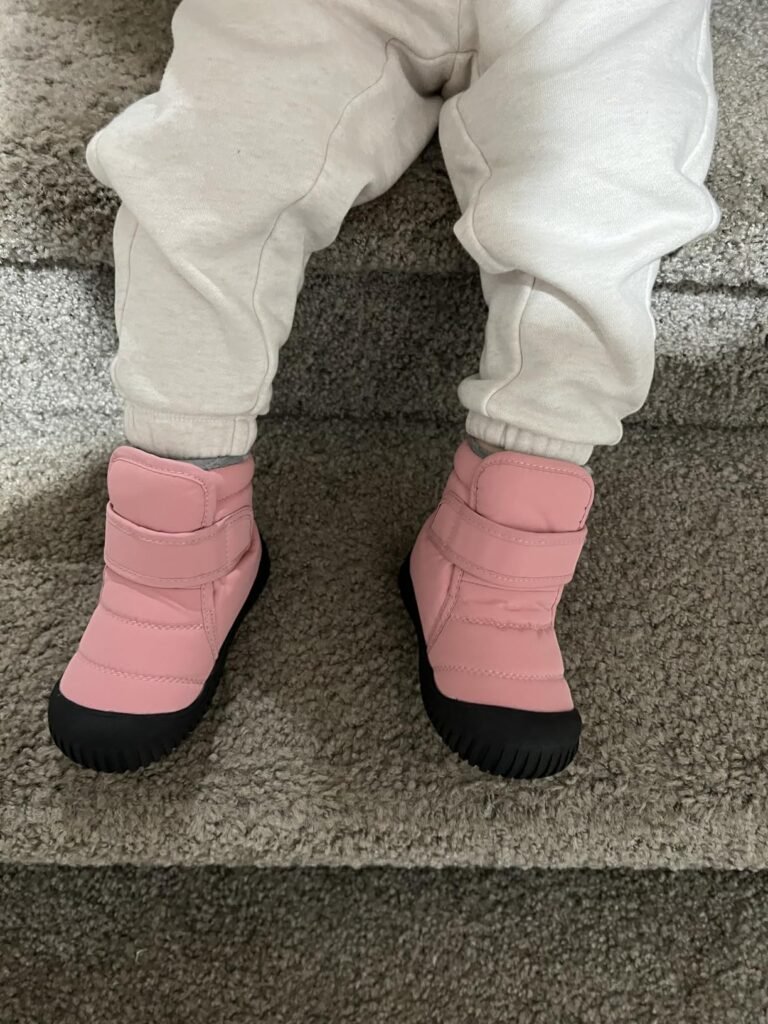
Comfort and Fit
Proper fit ensures warmth retention and walking comfort.
Correct fit should allow:
Toe wiggle room
Thick winter socks
Secure heel hold
No pressure points
Boots that are too tight reduce circulation and warmth.
Easy Closure Systems
Children benefit from boots that are simple to wear independently.
Common closures:
Velcro straps
Toggle drawcord
Side zipper
Pull-on design
Easy closures help children put on boots quickly before outdoor play.
Height and Coverage
Snow boots vary in height. Taller boots provide better snow protection.
Higher shafts help:
Block snow entry
Insulate ankles
Improve warmth
Prevent moisture
This is especially important in deep snow conditions.
Durability for Active Kids
Children are active outdoors, so boots must withstand rough use.
Durable features include:
Reinforced toe
Thick rubber shell
Strong stitching
Abrasion-resistant upper
Durability ensures boots last through winter seasons.
Snow Boots Girls: Style Options
Snow boots girls designs come in many colors and patterns.
Popular styles:
Faux fur trim
Bright colors
Character themes
Neutral winter tones
Patterned fabric
Style helps children enjoy wearing winter footwear.
Temperature Ratings
Some snow boots include temperature comfort ratings indicating suitable cold levels.
Higher insulation ratings provide:
Greater warmth
Cold-weather protection
Longer outdoor comfort
Parents should match boot warmth to local winter climate.
Indoor vs Outdoor Transition
Snow boots should be easy to remove when children move indoors. Lightweight, flexible designs improve comfort during school or home transitions.
Removable liners or wide openings help with quick changes.
Cleaning and Maintenance
Winter boots accumulate snow, mud, and salt. Proper care extends lifespan.
Cleaning tips:
Wipe exterior
Dry naturally
Remove moisture
Avoid heat drying
Store dry
Maintaining waterproof integrity keeps boots effective.
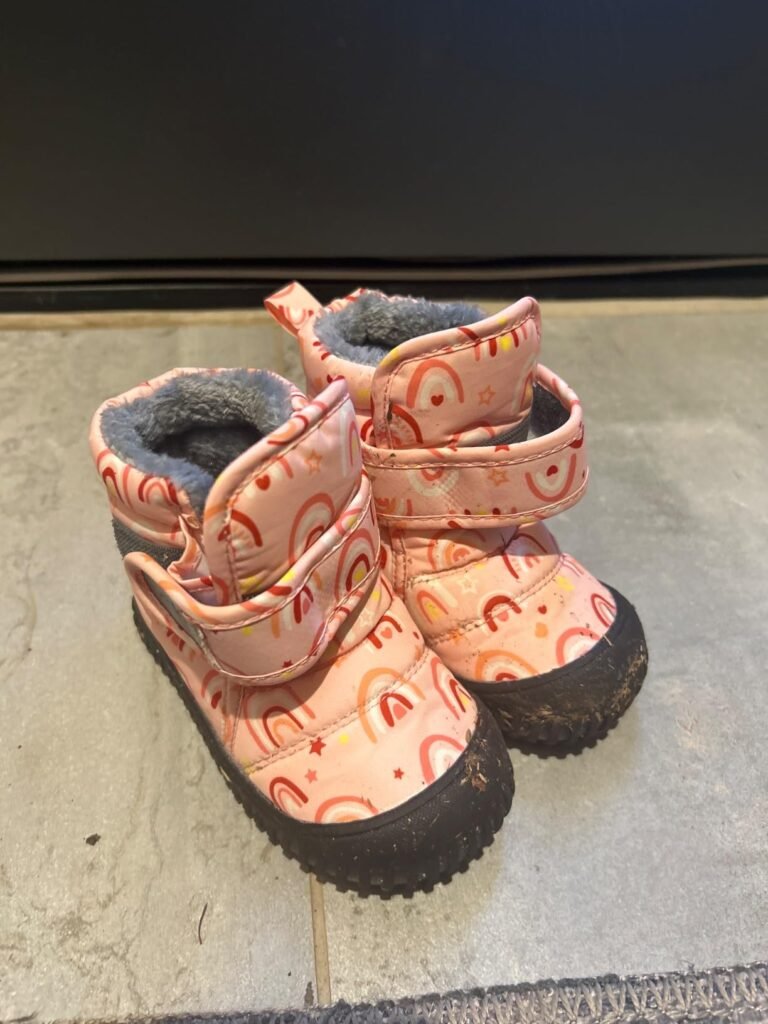
Choosing the Right Girls Snow Boots
When selecting girls snow boots, consider:
Climate severity
Child age
Activity level
Fit comfort
Waterproof level
Matching features to needs ensures warmth and safety.
Frequently Asked Questions
Are snow boots for girls waterproof?
Most quality models include waterproof construction.
Are toddler girl snow boots different?
Yes, they are lighter and easier to put on.
How warm should snow boots be?
Warmth should match winter temperatures.
Can girls wear snow boots daily?
Yes, during cold or snowy conditions.
Should snow boots be sized up?
Slight room for socks is recommended.
How Insulated Snow Boots Keep Feet Warm
Children lose body heat faster than adults, especially through extremities like feet and hands. Snow boots are designed to trap warmth while blocking cold air and moisture. Insulation layers create tiny air pockets that hold body heat close to the foot.
Effective insulation helps:
Maintain foot temperature
Prevent cold penetration
Reduce heat loss
Improve outdoor comfort
Warm feet allow children to stay active longer in winter conditions.
Importance of Waterproof Membranes
Snow often melts into slush or water during play. Waterproof membranes prevent moisture from entering while still allowing some breathability. This balance keeps feet dry without trapping sweat.
Waterproof construction protects against:
Wet snow
Slush puddles
Ice melt water
Rain-snow mix
Dry feet remain warmer because moisture rapidly increases heat loss.
Sock Pairing With Snow Boots
Proper socks improve boot performance. Thick winter socks add insulation but must still allow circulation.
Best sock choices:
Wool blends
Thermal socks
Moisture-wicking fabric
Avoid overly thick socks that compress inside the boot, as compression reduces warmth and comfort.
Fit Strategy for Growing Feet
Children’s feet grow quickly, so winter boots must balance room for growth with secure fit.
Fit guidelines:
Thumb-width toe space
Secure heel hold
No sliding while walking
Room for socks
Boots that are too large reduce stability, while tight boots reduce warmth.
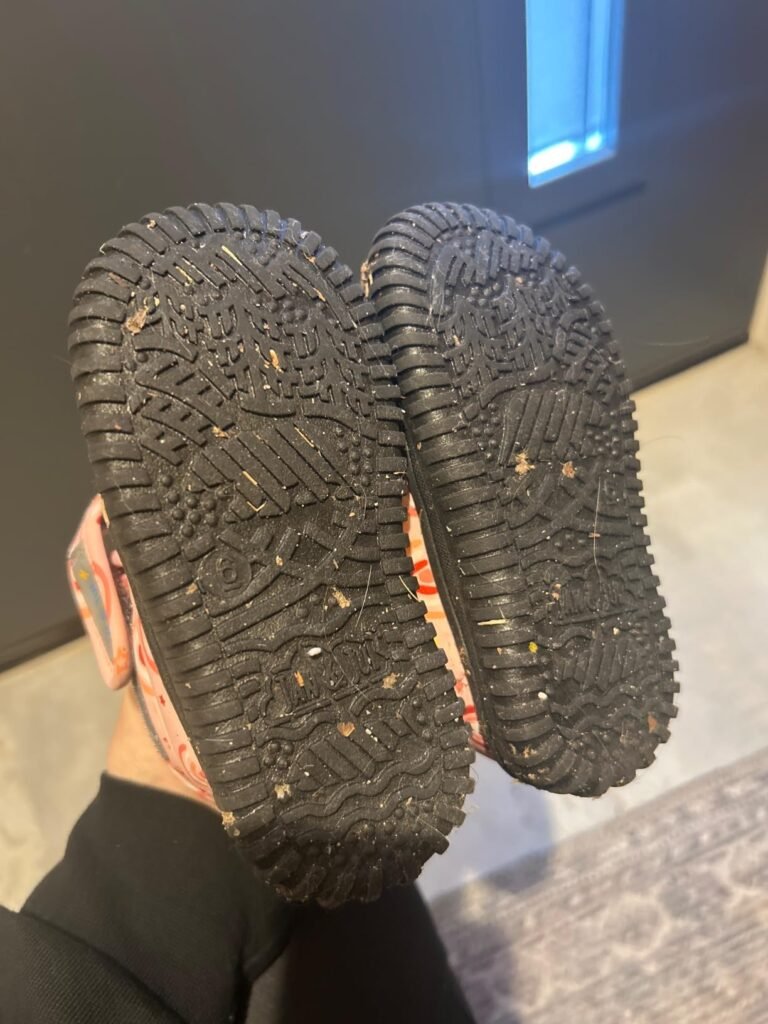
Traction Patterns for Ice and Snow
Outsole design affects grip on winter surfaces. Deep, flexible tread improves traction on snow and ice.
Traction features to look for:
Multi-directional lugs
Flexible rubber
Textured surface
Deep grooves
Good traction reduces slipping during running or climbing on snow.
Lightweight Construction for Comfort
Heavy winter boots can tire children quickly. Lightweight snow boots allow easier movement during play and walking.
Benefits of lighter boots:
Less leg fatigue
Easier walking
Better balance
More natural movement
Comfort encourages children to wear boots consistently.
Breathability and Moisture Control
Even in cold weather, feet produce moisture. Breathable lining allows moisture vapor to escape, preventing dampness inside the boot.
Breathable interior helps:
Keep feet dry
Reduce odor
Maintain warmth
Improve comfort duration
Dry insulation retains heat more effectively than damp insulation.
Toddler Snow Boot Mobility
Toddlers are still developing walking coordination. Flexible soles help natural movement and balance.
Toddler-friendly design includes:
Soft flex sole
Lightweight shell
Wide opening
Secure closure
This supports stable steps in winter conditions.
Easy-On Features for Children
Children benefit from boots they can put on independently.
Helpful design elements:
Pull loops
Wide openings
Simple straps
Elastic collars
Independent dressing encourages regular winter boot use.
Seasonal Durability Expectations
Snow boots face moisture, abrasion, and cold exposure. Durable materials maintain protection across the season.
Durability factors:
Thick rubber base
Reinforced seams
Abrasion-resistant upper
Strong sole bond
Durable boots can last multiple winter seasons or be passed down.
Indoor Transition Comfort
Children often move between snow and indoor environments. Boots should be removable quickly to prevent overheating indoors.
Transition-friendly features:
Easy closures
Flexible shaft
Lightweight build
Comfortable removal supports school or home transitions.
Winter Activity Matching
Different activities require different boot features.
Snow play:
Waterproof shell
High shaft
Walking to school:
Moderate insulation
Lightweight
Deep snow:
Tall coverage
Strong traction
Matching boots to activity improves comfort and safety.
When to Replace Snow Boots
Boots should be replaced when protection declines.
Replacement signs:
Sole wear
Insulation flattening
Waterproof failure
Tight fit
Cracks in shell
Properly fitting boots maintain warmth and stability.
Extended Conclusion
Girls snow boots are essential winter footwear designed to protect children’s feet from cold, moisture, and slippery conditions. Features such as insulation, waterproof construction, traction outsoles, and secure fit work together to maintain warmth and safety during outdoor winter activity. Proper sizing, breathable materials, and lightweight construction further enhance comfort and mobility for growing children.
By selecting well-fitted, weather-appropriate boots, parents ensure that children can move confidently and comfortably in snow and cold environments throughout the winter season.