
You’ve invested in a cozy heated blanket to keep you warm during cold nights, but now it needs cleaning and you’re terrified of damaging the electrical components. You’re not alone. Thousands of people search “can you wash a heated blanket” every month, worried they’ll ruin their investment or worse, create a safety hazard.
The confusion is understandable. Electric blankets contain wiring, controllers, and heating elements that seem incompatible with water and washing machines. Add the growing popularity of weighted heated blanket options, and the cleaning process becomes even more complicated.
Here’s the good news: most modern heated blankets CAN be washed safely when you follow the right steps. In this comprehensive guide, I’ll answer every question about cleaning your electric blanket, from machine washing to hand washing, drying, and storage. Whether you have a standard electric throw or a weighted heated blanket, you’ll learn exactly how to keep it fresh, clean, and functioning perfectly for years to come.
Can You Wash a Heated Blanket? The Short Answer
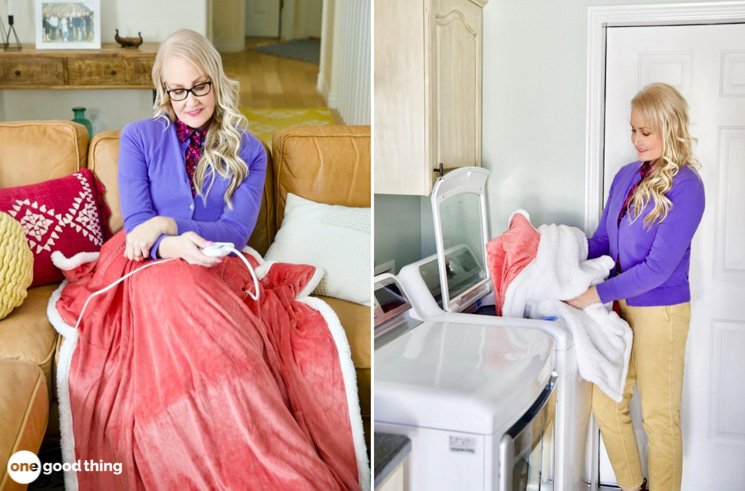
Yes, you can wash an electric heated blanket—but with important caveats. Modern heated blankets are generally designed to withstand gentle washing, but improper cleaning can damage the internal wiring, ruin the heating elements, or void your warranty.
The key factors that determine whether your specific blanket is washable include:
- Manufacturing date: Blankets made after 2000 are typically more washing-friendly
- Brand and model: Always check your specific manufacturer’s instructions
- Type of heating element: Newer carbon fiber elements are more durable than older wire systems
- Controller type: Detachable controllers are essential for safe washing
- Fabric construction: The outer material affects washing methods
Critical Rule: Never attempt to wash a heated blanket without first consulting the care label. When in doubt, hand washing is always the safer option than machine washing.
Understanding Your Heated Blanket Before Washing
Before we dive into how to wash a heated blanket, let’s understand what you’re working with.
Types of Heated Blankets:
Standard Electric Blanket: Traditional design with wires running throughout, usually lighter weight (2-5 lbs).
Weighted Heated Blanket: Combines heating elements with glass beads or poly pellets for pressure therapy, typically 15-25 lbs.
Heated Throw: Smaller electric blankets for couch use, generally easier to wash due to compact size.
Dual-Zone Heated Blanket: Features separate controls for different sides, requires extra care during washing.
Components That Affect Washing:
Heating Elements: Modern blankets use thin, flexible wires or carbon fiber heating elements sewn into channels throughout the fabric.
Controller: The power unit that regulates temperature. This MUST be removed before washing.
Connections: Where the controller attaches to the blanket. These connection points are the most vulnerable to water damage.
Outer Fabric: Can be fleece, microplush, sherpa, cotton, or polyester—each with different washing requirements.
Insulation: Protective layers around the heating elements that can be damaged by harsh washing.
How to Wash a Heated Blanket: Step-by-Step Method
Let’s walk through the complete process of safely cleaning your heated blanket.
Pre-Washing Preparation (Critical Steps):
Step 1: Check the Care Label
Every heated blanket comes with specific manufacturer instructions. Look for:
- Washing machine compatibility
- Water temperature recommendations
- Detergent type suggestions
- Drying instructions
- What NOT to do
Step 2: Inspect for Damage
Before washing, carefully examine your blanket:
- Check all wiring for exposed or frayed areas
- Look for burn marks or discoloration
- Test that heating elements work properly
- Examine the connection port for damage
- Check seams for tears or loose stitching
Never wash a damaged heated blanket—the water can exacerbate electrical problems and create safety hazards.
Step 3: Disconnect All Electrical Components
This is the most critical step:
- Unplug the blanket from the wall outlet
- Detach the controller completely from the blanket
- Store the controller in a safe, dry place
- If your blanket has a battery pack, remove it entirely
- Ensure no electrical components remain attached
Common Mistake: Some people forget to remove in-cord controllers. Double-check that EVERYTHING electronic is disconnected.
Step 4: Pre-Treat Stains
Before washing the entire blanket:
- Spot-treat stains with gentle detergent
- Use cold water and a soft cloth
- Avoid harsh chemicals near heating element areas
- Blot rather than rub to prevent wire damage
- Let pre-treatment sit for 10-15 minutes
Machine Washing Your Heated Blanket:
Step 1: Choose the Right Washing Machine
Front-loading washers are preferable because:
- They’re gentler on the fabric and wiring
- No central agitator to snag or twist wires
- Better water distribution
- More capacity for bulky items
Top-loading washers can work but:
- Use only machines WITHOUT center agitators
- High-efficiency (HE) models are safer
- Ensure the blanket isn’t twisted or bunched
For weighted heated blankets: Confirm your machine’s weight capacity. A 20-lb weighted blanket becomes much heavier when wet and can damage undersized machines.
Step 2: Load the Blanket Properly
- Shake out the blanket to ensure it’s not twisted
- Loosely fold or roll the blanket
- Place it evenly in the washing machine
- Don’t overload—the blanket needs room to move freely
- For weighted heated blankets, wash alone to prevent imbalance
Step 3: Select Appropriate Settings
Water Temperature: Cold or lukewarm water only (maximum 30°C/86°F)
- Hot water can damage heating elements
- Cold water is safest for preserving wire insulation
- Warm water is acceptable only if manufacturer-approved
Cycle Selection: Delicate, gentle, or hand-wash cycle
- Short cycle duration (8-12 minutes ideal)
- Low spin speed to prevent wire stress
- Extra rinse cycle to remove all detergent
Spin Speed: Low to medium only
- High-speed spinning can damage internal wiring
- Excessive centrifugal force may break connections
- Lower speeds mean longer drying but preserve the blanket
Step 4: Choose the Right Detergent
Best Options:
- Mild liquid detergent (avoid powders that may not fully dissolve)
- HE detergent for high-efficiency machines
- Free-and-clear formulas without dyes or fragrances
- Half the normal amount you’d use for regular blankets
Avoid:
- Bleach or chlorine-based products
- Fabric softeners (can coat heating elements)
- Harsh chemicals or stain removers
- Excessive amounts of any detergent
Step 5: Start the Wash Cycle
- Run the cycle on your selected gentle settings
- Don’t leave the house—monitor the first few minutes
- Check that the blanket isn’t bunching or tangling
- If you hear unusual noises, stop immediately
- Let the cycle complete fully
Hand Washing Your Heated Blanket:
Hand washing is the safest method for how to wash an electric heated blanket, especially for older models or if you’re uncertain about machine washing.
What You’ll Need:
- Large bathtub or utility sink
- Cold or lukewarm water
- Mild liquid detergent
- Soft-bristled brush (optional, for spot cleaning)
- Clean towels for drying
Step-by-Step Process:
Step 1: Fill the Tub
- Clean your bathtub thoroughly first
- Fill with cold or lukewarm water (about 4-6 inches deep)
- Add a small amount of mild detergent (1-2 tablespoons)
- Swirl water to distribute detergent evenly
Step 2: Submerge the Blanket
- Carefully place the blanket in the water
- Gently press down to ensure it’s fully submerged
- Let it soak for 10-15 minutes
- Avoid twisting, wringing, or aggressive movements
Step 3: Clean Gently
- Using your hands, gently massage the fabric
- Work through the entire blanket systematically
- Pay extra attention to heavily soiled areas
- Use a soft brush for stubborn stains (very gently)
- Be especially careful around visible wire channels
Step 4: Rinse Thoroughly
- Drain the soapy water completely
- Refill with clean cold water
- Gently press the blanket to release soap
- Drain and repeat until water runs clear
- May require 3-4 rinse cycles for complete soap removal
Step 5: Remove Excess Water
- DO NOT wring or twist the blanket
- Gently press water out by hand
- Press the blanket against the tub sides
- Roll the blanket in clean, dry towels to absorb more water
- Replace wet towels with dry ones as needed
Drying Your Heated Blanket Properly
Proper drying is just as important as proper washing when caring for your heated blanket.
Air Drying (Recommended Method):
Step 1: Choose the Right Location
- Flat, clean surface (bed, carpet, or clean floor)
- Well-ventilated room with good air circulation
- Away from direct sunlight (can damage wiring insulation)
- Indoor location protected from weather
Step 2: Lay Flat to Dry
- Spread the blanket completely flat
- Smooth out all wrinkles and folds
- Ensure no bunching or overlap
- Flip every 3-4 hours for even drying
- May take 24-48 hours to dry completely
For Weighted Heated Blankets: These take significantly longer to dry due to their weight and density. Allow 48-72 hours and flip more frequently.
Step 3: Speed Up Air Drying
- Use fans to increase air circulation
- Place near (not on) a dehumidifier
- Hang over a drying rack (only if manufacturer-approved)
- Never use space heaters directly on the blanket
Machine Drying (When Permitted):
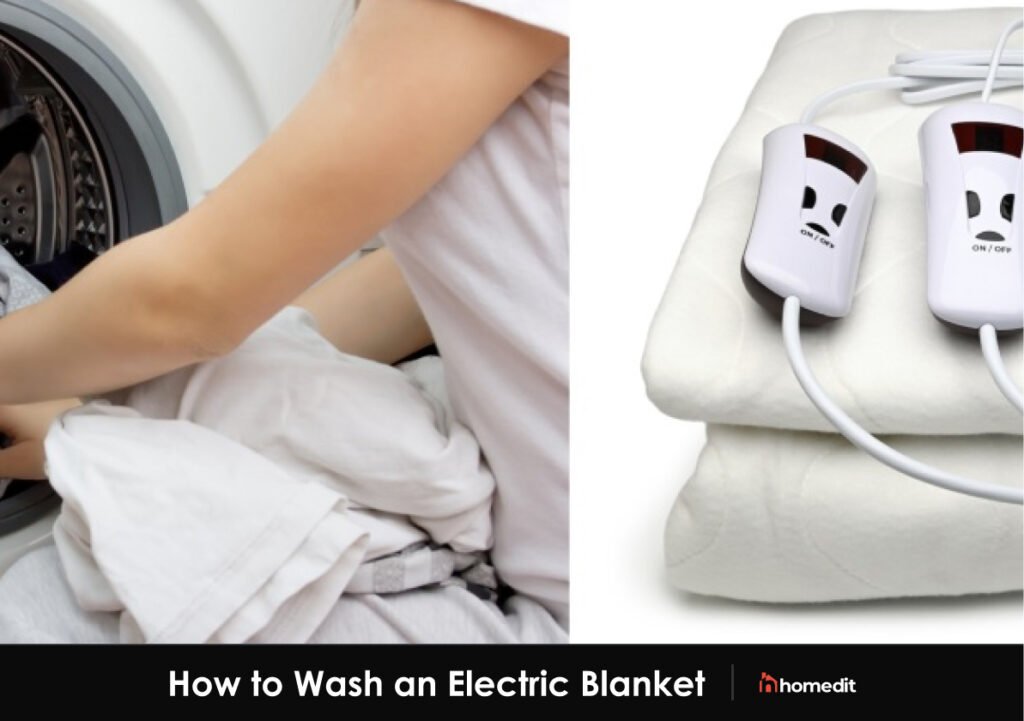
Some modern heated blankets can be machine dried, but always verify manufacturer approval first.
If Machine Drying Is Allowed:
Step 1: Prepare the Dryer
- Ensure the dryer drum is clean
- Remove any items that could snag the blanket
- Make sure the blanket isn’t excessively wet (air dry first for 2-3 hours)
Step 2: Set Proper Controls
- Temperature: Air dry or low heat ONLY (never medium or high)
- Cycle: Delicate or air fluff setting
- Time: Short cycles (20-30 minutes maximum)
- Sensor Dry: Use if available to prevent over-drying
Step 3: Add Dryer Protection
- Include 2-3 clean, dry towels to cushion the blanket
- Consider wool dryer balls (NOT fabric softener sheets)
- These help absorb moisture and prevent clumping
Step 4: Monitor Closely
- Check every 10-15 minutes
- Remove while still slightly damp
- Finish air drying flat to prevent any heat damage
- Never leave the house while drying a heated blanket
What NOT to Do When Drying:
- Never use high heat settings
- Don’t over-dry (damages heating elements)
- Avoid hanging to dry (stretches wires)
- Don’t dry clean (chemicals damage insulation)
- Never iron a heated blanket
Special Care for Weighted Heated Blankets
Weighted heated blankets require additional considerations due to their size, weight, and complex construction.
Washing Challenges:
Weight When Wet: A 20-lb blanket can weigh 35-40 lbs when saturated, potentially exceeding machine capacity.
Uneven Distribution: Glass beads or poly pellets can shift during washing, creating heavy spots that damage machines.
Longer Drying Time: The combination of fabric, filling, and heating elements takes much longer to dry thoroughly.
Modified Washing Process:
Option 1: Professional Cleaning
- Many weighted heated blanket owners prefer professional cleaning
- Look for cleaners experienced with electric bedding
- Costs $20-40 but ensures safe cleaning
- Best for expensive blankets or those without removable covers
Option 2: Spot Cleaning Only
- For light soiling, spot clean instead of full washing
- Use a damp cloth with mild soap
- Focus on surface stains only
- Air dry the dampened areas completely
Option 3: Removable Cover System
- Many weighted heated blankets come with removable, washable covers
- Wash the cover regularly (every 2-4 weeks)
- Wash the actual blanket infrequently (every 3-6 months)
- This dramatically extends the blanket’s lifespan
Maintaining Your Heated Blanket Between Washes
Proper maintenance reduces how often you need to wash your heated blanket.
Daily Care Tips:
Morning Routine:
- Fold or roll the blanket carefully
- Store in a breathable bag or container
- Keep controllers coiled loosely (not tightly wound)
- Ensure no furniture is pressing on folded blanket
Evening Use:
- Always use over a flat sheet (never directly on skin)
- Keep pets off the blanket when possible
- Avoid eating or drinking while using
- Turn off and unplug after use
Weekly Maintenance:
Inspection:
- Check for any visible damage to fabric or cords
- Test heating elements for even warmth distribution
- Examine connection ports for debris or damage
- Smell for any burning or unusual odors
Light Cleaning:
- Shake out the blanket outdoors to remove dust
- Use a lint roller on the surface
- Vacuum gently with upholstery attachment (low suction)
- Air out in fresh air for 20-30 minutes
Seasonal Storage:
When storing your heated blanket for warmer months:
Step 1: Clean Thoroughly
- Wash according to instructions above
- Ensure completely dry (any moisture causes mildew)
- Air dry for an extra 24 hours to be safe
Step 2: Prepare for Storage
- Fold loosely or roll gently (never crease tightly)
- Wrap controller cord loosely
- Place in breathable cotton storage bag
- Add cedar blocks or lavender sachets (natural pest deterrents)
Step 3: Store Properly
- Choose cool, dry location
- Avoid attics (too hot) or basements (too damp)
- Store flat or on a shelf (never under heavy items)
- Keep away from pest-prone areas
Common Problems and Solutions
Problem: Blanket Won’t Heat After Washing
Possible Causes:
- Moisture in heating elements or connections
- Damaged wiring from washing
- Connection port not fully dry
Solutions:
- Allow another 48 hours of drying time
- Use a hair dryer on cool setting on connection port
- Contact manufacturer if problem persists
- May need professional repair or replacement
Problem: Uneven Heating After Washing
Possible Causes:
- Wires shifted or bunched during washing
- Detergent residue on heating elements
- Damage to specific zones
Solutions:
- Lay flat and gently massage to redistribute wires
- Rinse again to remove any remaining soap
- Test on different power settings
- May indicate it’s time for replacement
Problem: Blanket Smells After Washing
Possible Causes:
- Insufficient drying (mildew developing)
- Detergent not fully rinsed out
- Moisture trapped in weight filling
Solutions:
- Air dry for additional 24-48 hours
- Re-wash with no detergent (rinse only)
- Use white vinegar in rinse cycle (1/2 cup)
- Place in sunny, well-ventilated area
Problem: Weighted Heated Blanket Lumpy After Washing
Possible Causes:
- Weight filling shifted or clumped
- Insufficient distribution during drying
Solutions:
- Shake vigorously while damp
- Massage clumps to redistribute filling
- Dry flat while periodically redistributing
- May require professional redistribution service
Safety Considerations
When washing your electric heated blanket, safety must be your top priority.
Electrical Safety:
Never:
- Wash with controller or any electronic components attached
- Plug in a damp or recently washed blanket
- Use a blanket that was submerged while plugged in
- Attempt to repair damaged wiring yourself
- Use a blanket showing any signs of electrical problems
Always:
- Wait until completely dry before reconnecting power
- Inspect thoroughly for damage before first use after washing
- Test on lowest setting first after washing
- Replace blankets showing wear or damage
- Follow all manufacturer safety guidelines
Fire Prevention:
According to safety organizations, improperly maintained electric blankets cause approximately 500 fires annually in the US. Prevent fires by:
- Never using a damaged blanket: Even small wire exposure is dangerous
- Proper drying: Moisture can cause short circuits
- Regular inspection: Replace blankets older than 10 years
- Correct storage: Prevent wire damage during off-season
- Following weight limits: Overloaded machines damage blankets
How Often Should You Wash Your Heated Blanket?
Standard Usage (nightly use with proper sheet layer):
- Wash every 3-4 months
- Spot clean monthly
- Air out weekly
Heavy Usage (pets, children, or without sheets):
- Wash every 6-8 weeks
- Spot clean bi-weekly
- Air out after each use
Light Usage (occasional use):
- Wash twice per year (beginning and end of season)
- Spot clean as needed
- Air out monthly
Weighted Heated Blankets:
- Wash 1-2 times per year maximum
- Rely more on spot cleaning and removable cover washing
- Professional cleaning recommended
When to Replace Your Heated Blanket
Even with perfect care, heated blankets don’t last forever. Replace when:
- Blanket is more than 10 years old
- Any visible damage to wiring or heating elements
- Inconsistent heating or hot spots develop
- Burning smell or discoloration appears
- Controller malfunctions or shows damage
- Safety features (auto-shutoff) stop working
- Multiple areas stop heating
- Fabric shows significant wear or tears
Modern blankets (post-2010) typically last 5-7 years with proper care.
Conclusion: Keep Your Heated Blanket Clean and Safe
Now you know exactly how to wash a heated blanket without ruining it. The process might seem intimidating initially, but with proper technique, you can safely clean your electric heated blanket and extend its lifespan significantly.
Key Takeaways:
- Always remove ALL electrical components before washing
- When in doubt, hand wash is safer than machine washing
- Never use hot water or high heat when drying
- Air drying flat is the safest drying method
- Weighted heated blankets require extra care and time
- Replace blankets showing any signs of damage
By following these guidelines, you’ll enjoy a fresh, clean, cozy heated blanket for many winters to come—without the worry of damaging your investment or creating safety hazards.
Have you successfully washed your heated blanket? Share your tips and experiences in the comments below!