
Best Honeywell Air Purifier Models in 2026
Explore the best halloween pajamas with soft fabrics and spooky-cute designs.
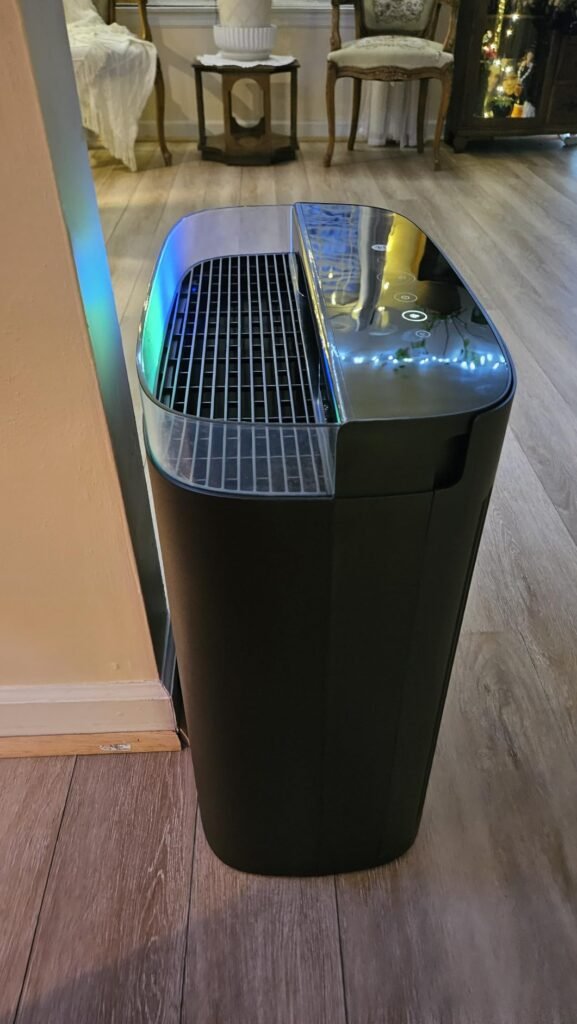
Honeywell Air Purifier: HEPA Filtration, Filters, and Choosing the Right Honeywell Air Purifiers
Indoor air quality plays a major role in comfort and health, especially in homes with dust, allergens, or pets. A Honeywell air purifier is designed to reduce airborne particles using filtration technology that captures contaminants from indoor air. Whether you’re researching Honeywell air purifiers, comparing a Honeywell HEPA air purifier, looking for Honeywell air purifier filters, or choosing an air purifier by Honeywell, this guide explains how they work, their benefits, and how to select the right model.
What Is a Honeywell Air Purifier?
A Honeywell air purifier is an electrical appliance that pulls indoor air through a filter system to remove airborne particles such as dust, pollen, and pet dander. Cleaned air is then released back into the room, helping improve indoor air conditions.
Air purifiers are commonly used in:
Bedrooms
Living rooms
Offices
Homes with pets
Allergy-sensitive environments
Continuous filtration helps maintain cleaner air.
How Honeywell HEPA Air Purifiers Work
Many Honeywell air purifiers use HEPA filtration technology. HEPA (High Efficiency Particulate Air) filters capture extremely small airborne particles through dense fiber structure.
HEPA filtration helps remove:
Dust
Pollen
Pet dander
Mold spores
Smoke particles
Dense filter fibers trap particles as air passes through.
Honeywell Air Purifier Filters: Types
Honeywell air purifier filters vary depending on model and filtration stage.
Common filter types include:
HEPA filters
Pre-filters
Carbon filters
Washable filters
Each stage targets different contaminants.
Pre-Filters: First Filtration Stage
Pre-filters capture larger particles before air reaches the HEPA filter. This extends HEPA lifespan and improves efficiency.
Pre-filters typically remove:
Hair
Lint
Large dust
Debris
They protect the main filter.
Carbon Filters for Odor Reduction
Some Honeywell air purifiers include activated carbon filters. Carbon absorbs odor molecules and certain gases.
Carbon filtration helps reduce:
Pet odors
Cooking smells
Smoke odors
Household odors
This improves air freshness.
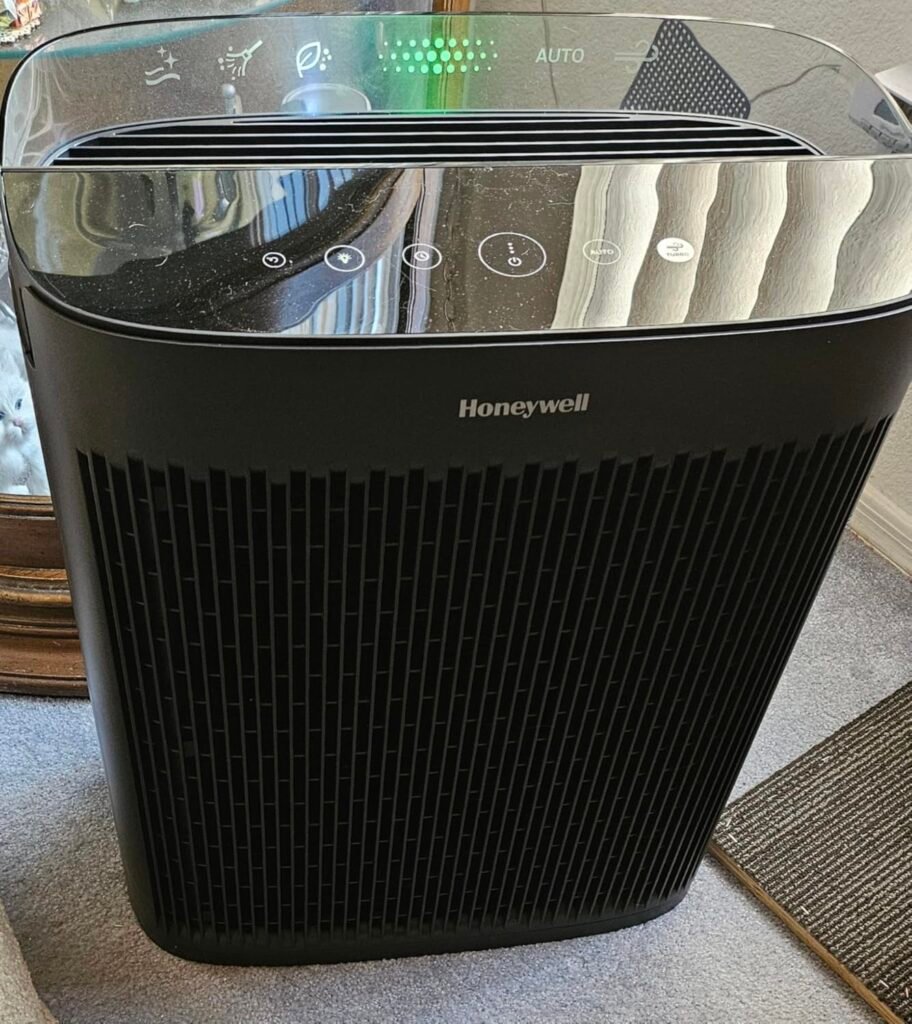
Benefits of Honeywell Air Purifiers
Air purification can support indoor comfort and cleanliness.
Potential benefits include:
Reduced airborne particles
Cleaner indoor air
Odor reduction
Allergen particle removal
Dust reduction
Continuous filtration maintains air quality.
Choosing the Right Honeywell Air Purifier
Selecting a suitable model depends on room size and air needs.
Key considerations:
Room coverage area
Filter type
Noise level
Airflow capacity
Filter replacement needs
Matching purifier capacity to room size improves performance.
Honeywell Air Purifier for Allergens
HEPA filtration is particularly relevant for airborne allergens. By capturing microscopic particles, air purifiers can reduce circulating allergens indoors.
Allergen sources include:
Pollen
Pet dander
Dust mites
Mold spores
Filtration lowers airborne exposure.
Honeywell Air Purifier Filters Replacement
Filters gradually fill with particles and require replacement to maintain efficiency. Replacement intervals vary by usage and environment.
Factors affecting replacement:
Air quality
Pet presence
Usage time
Dust level
Timely replacement maintains airflow and filtration.
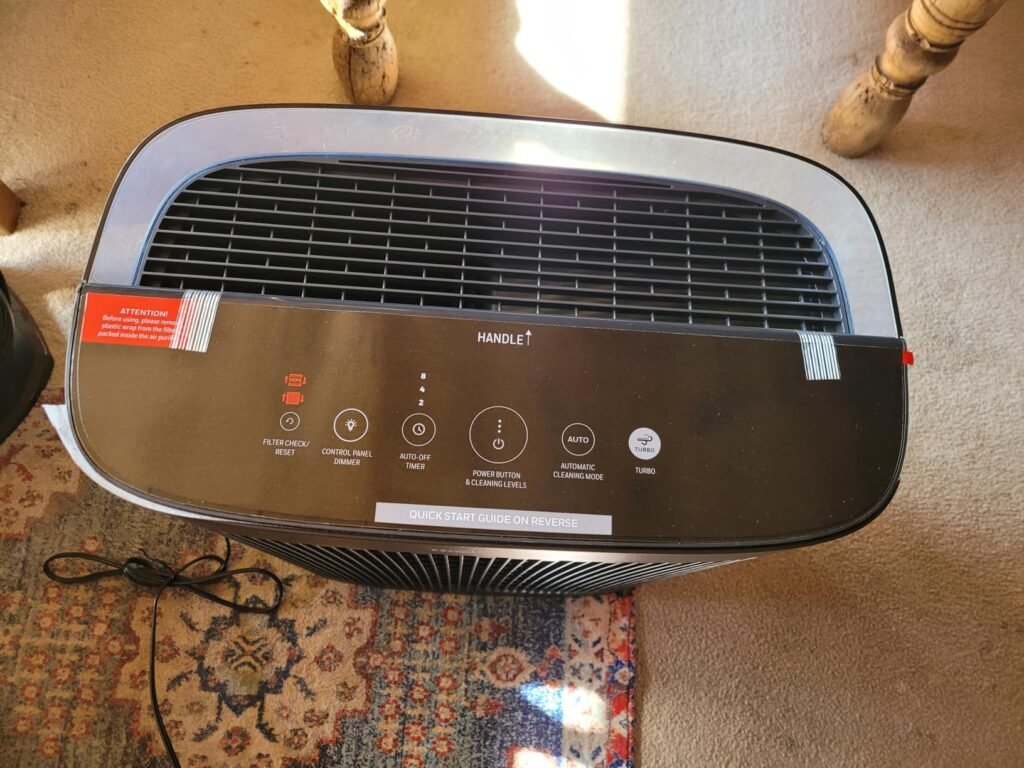
Placement for Best Performance
Proper placement improves air circulation and cleaning efficiency.
Placement tips:
Central room location
Away from walls
Unblocked airflow
Near pollution source
Good airflow allows effective filtration.
Noise Levels and Operation
Air purifiers use fans to move air through filters. Fan speed affects noise level.
Typical modes:
Low (quiet)
Medium
High (maximum airflow)
Lower speeds suit bedrooms; higher speeds suit daytime cleaning.
Maintenance and Care
Maintaining an air purifier ensures consistent performance.
Maintenance steps:
Replace filters
Clean exterior
Vacuum vents
Check airflow
Regular care preserves efficiency.
Frequently Asked Questions
What does a Honeywell air purifier do?
It filters airborne particles from indoor air.
What is a Honeywell HEPA air purifier?
A purifier using HEPA filtration technology.
Do Honeywell air purifier filters need replacement?
Yes, periodically for proper function.
Are Honeywell air purifiers effective?
They reduce airborne particles indoors.
Where should an air purifier be placed?
In open areas with good airflow.
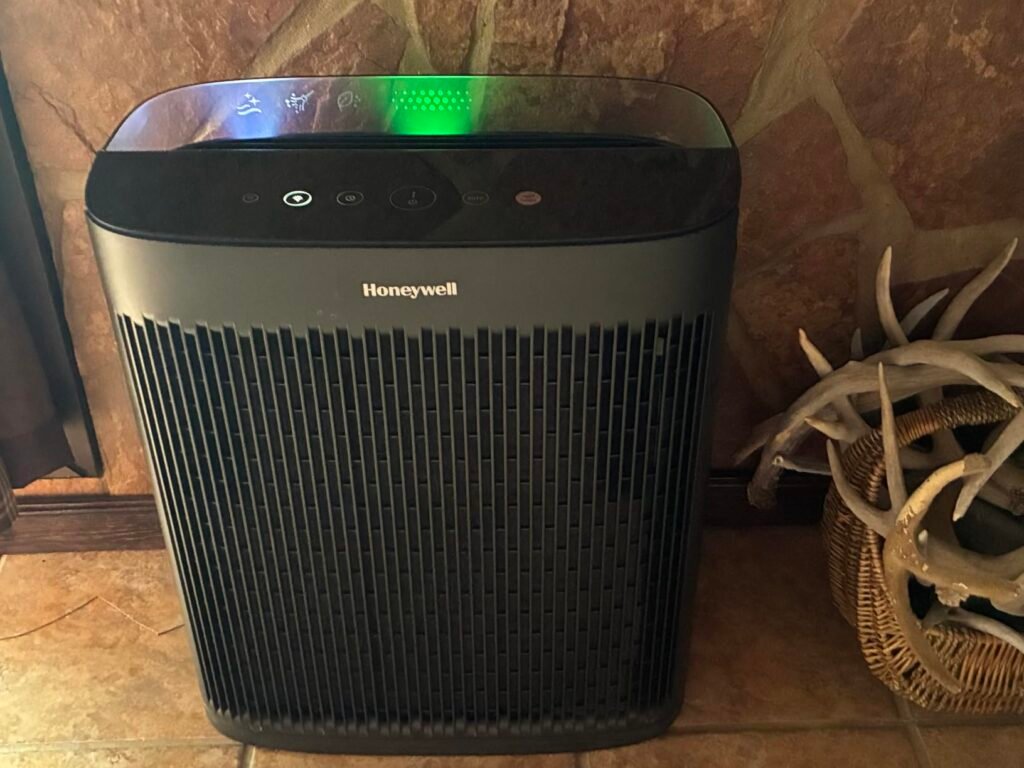
How Airflow Determines Purifier Effectiveness
Air purifiers work by continuously moving room air through filtration layers. The amount of air moved per hour directly affects cleaning performance. Higher airflow allows more particles to pass through the filter, improving overall air quality.
Airflow efficiency depends on:
Fan power
Filter resistance
Air intake design
Room circulation
Strong, consistent airflow ensures more complete air turnover in the space.
Air Changes Per Hour (ACH) Explained
Air purification performance is often described using air changes per hour (ACH). This refers to how many times the purifier can filter the total volume of air in a room within one hour.
For example:
1 ACH → entire room filtered once per hour
4 ACH → filtered four times per hour
5+ ACH → high cleaning frequency
Higher ACH provides faster particle removal, especially in dusty or allergen-heavy environments.
Particle Capture Mechanism in HEPA Filters
HEPA filtration does not work like a simple sieve. Instead, it captures particles through multiple physical mechanisms inside dense fiber mats.
These mechanisms include:
Interception (particles collide with fibers)
Impaction (larger particles hit fibers)
Diffusion (tiny particles move randomly and stick)
This layered capture process allows HEPA filters to trap extremely small airborne particles.
Role of Pre-Filters in Filter Longevity
Pre-filters protect the main HEPA filter by trapping larger particles first. This prevents premature clogging of the primary filter and maintains airflow efficiency.
Pre-filter benefits:
Extends HEPA lifespan
Maintains airflow
Captures visible debris
Reduces maintenance cost
Regular pre-filter cleaning improves purifier performance.
Activated Carbon and Odor Molecule Adsorption
Activated carbon filters remove odors through adsorption — a process where gas molecules adhere to the surface of porous carbon material. This differs from particle capture used in HEPA filters.
Carbon filtration targets:
Volatile organic compounds
Cooking odors
Smoke molecules
Pet smells
Combined HEPA and carbon filtration addresses both particles and odors.
Room Size Matching for Effective Cleaning
Purifier performance depends heavily on matching device capacity to room size. An undersized purifier cannot circulate enough air to clean the space effectively.
Room sizing factors:
Floor area
Ceiling height
Air leakage
Pollution level
Choosing adequate capacity ensures consistent air cleaning.
Continuous vs Intermittent Operation
Air purifiers work best when operated continuously rather than occasionally. Particles constantly enter indoor air from movement, fabrics, and outdoor infiltration.
Continuous operation helps:
Maintain low particle levels
Prevent buildup
Stabilize air quality
Reduce allergens
Turning units off allows particles to accumulate again.
Air Circulation Patterns in Rooms
Air purifiers rely on room air movement to function efficiently. Obstructions or poor placement can create stagnant zones where air is not filtered.
Improved circulation occurs when:
Intake faces open space
Exhaust airflow is unobstructed
Unit is elevated slightly
Corners are avoided
Good circulation increases filtration coverage.
Filter Loading and Airflow Reduction
As filters capture particles, they gradually fill and restrict airflow. Reduced airflow lowers purification efficiency even if the filter still appears intact.
Signs of loaded filters:
Reduced airflow
Increased fan noise
Visible dust accumulation
Odor persistence
Timely replacement restores airflow and cleaning capacity.
Indoor Particle Sources Addressed by Purifiers
Indoor air contains particles from multiple everyday sources. Air purifiers help reduce circulating particulate matter generated indoors.
Common sources include:
Fabrics and carpets
Pet dander
Human skin flakes
Outdoor dust entry
Cooking particles
Continuous filtration lowers overall airborne load.
Sleep Environment Air Quality
Bedrooms often benefit from air purification because occupants spend long periods breathing the same air. Nighttime operation can help maintain lower particle concentration during sleep.
Cleaner air during sleep may support:
Reduced allergen exposure
Dust reduction
Fresher breathing environment
Odor control
Quiet modes are suited for nighttime use.
Long-Term Maintenance Considerations
Air purifier effectiveness depends on proper long-term maintenance rather than initial purchase alone.
Maintenance factors include:
Filter replacement schedule
Pre-filter cleaning
Vent clearance
Continuous operation
Consistent upkeep preserves purification performance.
Extended Conclusion
Air purification relies on continuous airflow, layered filtration, and proper room matching to reduce airborne particles and odors effectively. HEPA filters capture microscopic particles through multiple physical mechanisms, while pre-filters and carbon layers extend filter life and address larger debris and odors. Correct placement, continuous operation, and timely filter replacement maintain airflow and cleaning efficiency over time.
With appropriate capacity selection and regular maintenance, filtration systems can support cleaner indoor environments by reducing circulating particulate matter and improving overall air freshness in living spaces.