
Best Solid Wood Dresser in 2026
Discover the best solid wood dresser options with sturdy construction and elegant finishes.
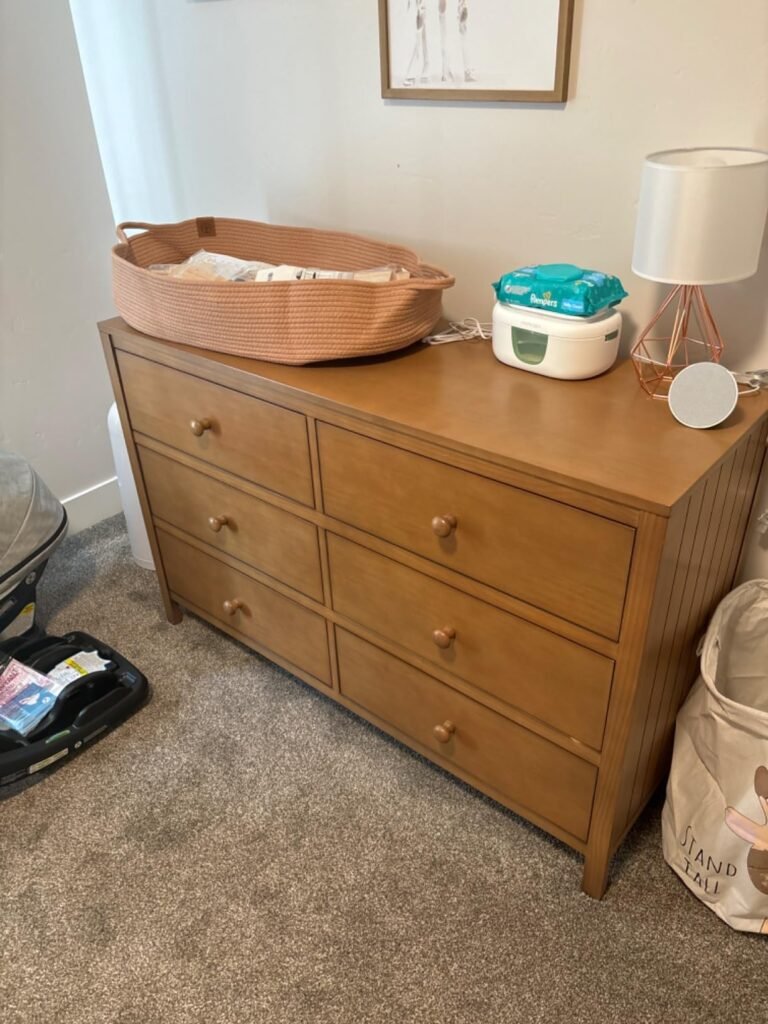
Solid Wood Dresser: Complete Guide to Durable Storage, White Finishes, and Tall Solid Wood Dressers
A solid wood dresser is one of the most durable and timeless furniture pieces for bedroom storage. Unlike composite or particleboard furniture, dressers made from solid wood offer long-term strength, natural beauty, and repairable construction. Whether you’re comparing dresser solid wood styles, selecting a solid wood white dresser, choosing a solid wood 6 drawer dresser, or considering a solid wood tall dresser, this guide explains materials, benefits, sizes, and buying factors.
What Is a Solid Wood Dresser?
A solid wood dresser is constructed primarily from natural hardwood or softwood boards rather than engineered panels. The frame, drawer fronts, and structure are made from real wood pieces joined together.
Common wood types:
Oak
Maple
Pine
Walnut
Birch
Solid construction increases durability and lifespan.
Benefits of Solid Wood Dressers
Compared with engineered wood furniture, solid wood dressers provide:
Long lifespan
Structural strength
Natural grain appearance
Repairability
Higher weight capacity
These advantages make them suitable for long-term bedroom use.
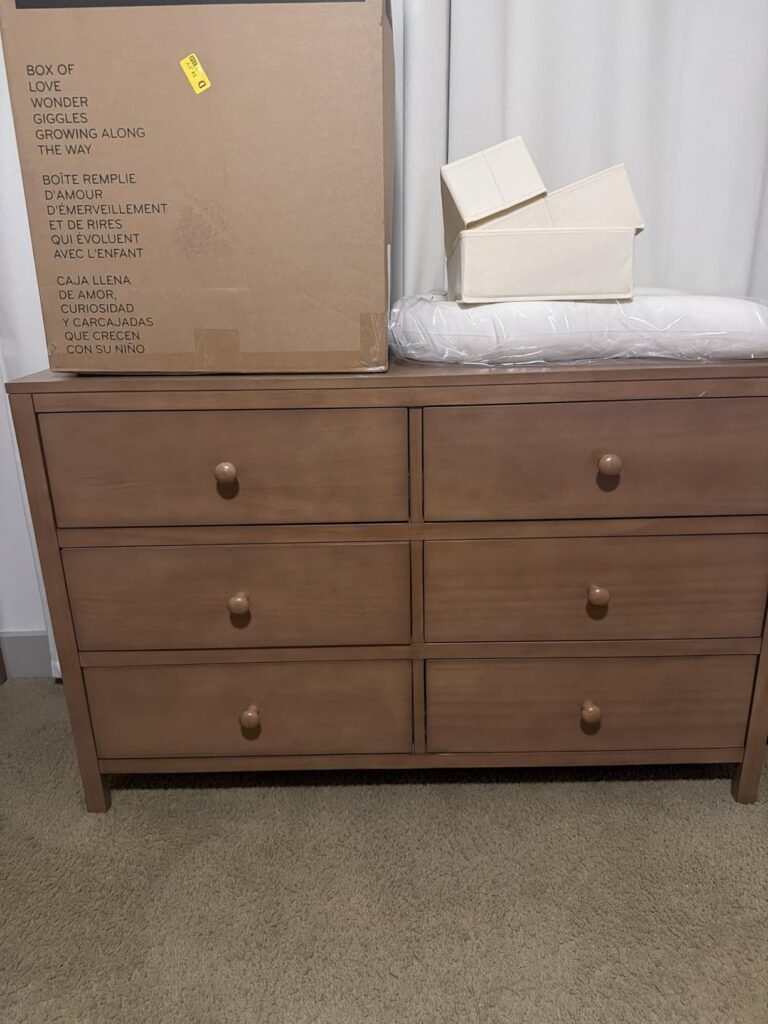
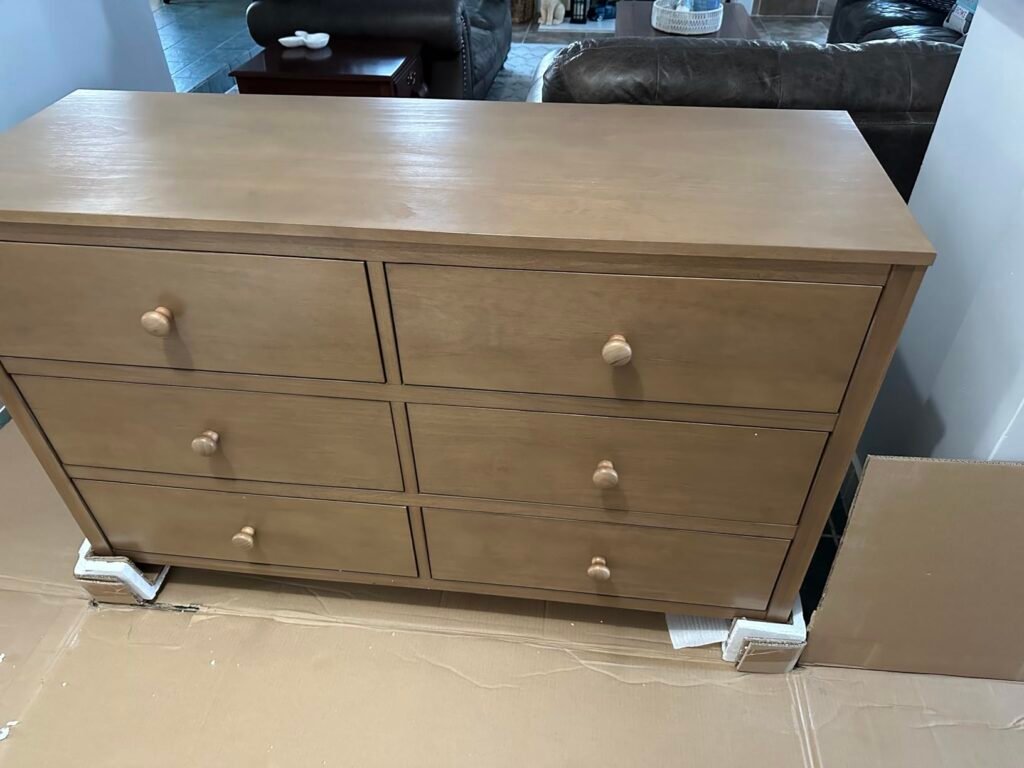
Solid Wood 6 Drawer Dresser: Standard Storage Design
A solid wood 6 drawer dresser is one of the most common configurations. It typically includes two columns of three drawers, providing balanced storage for clothing and accessories.
Benefits of 6-drawer layouts:
Organized compartments
Medium width footprint
Balanced proportions
Easy accessibility
This design suits most bedrooms.
Solid Wood Tall Dresser: Vertical Storage Solution
A solid wood tall dresser (also called a chest of drawers) stacks drawers vertically instead of horizontally. This design maximizes storage while minimizing floor space.
Advantages include:
Space-saving footprint
High storage capacity
Suitable for small rooms
Vertical organization
Tall dressers work well in compact bedrooms.
Solid Wood White Dresser: Style and Finish
A solid wood white dresser combines natural wood structure with painted finish. White finishes brighten rooms and match many decor styles.
White dresser benefits:
Light visual appearance
Neutral color compatibility
Classic bedroom style
Modern or farmhouse look
Painted solid wood retains durability while offering color flexibility.
Wood Species and Durability
Different woods vary in hardness and appearance.
Hardwoods:
Oak → very durable
Maple → smooth and strong
Walnut → rich tone
Softwoods:
Pine → lightweight, affordable
Cedar → aromatic
Hardwoods generally resist dents better.
Drawer Construction Quality
High-quality dresser drawers include strong joinery and smooth movement.
Quality indicators:
Dovetail joints
Solid wood drawer sides
Reinforced corners
Smooth slides
Well-built drawers last longer under daily use.
Finish Types for Solid Wood Dressers
Finishes protect wood and affect appearance.
Common finishes:
Natural stain
Painted finish
Lacquer
Oil finish
Each influences color, sheen, and maintenance needs.
Weight Capacity and Stability
Solid wood furniture is heavier and more stable than engineered alternatives. This reduces tipping risk and increases load capacity.
Stable construction supports:
Heavy clothing storage
Decor placement
Long-term use
Weight contributes to durability.
Style Options
Solid wood dressers come in many design styles.
Popular styles:
Traditional
Farmhouse
Modern
Rustic
Scandinavian
Natural grain allows versatile aesthetics.
Size and Room Planning
Choosing dresser size depends on room layout and storage needs.
Consider:
Wall width
Floor space
Drawer capacity
Clearance for opening
Tall dressers suit narrow spaces; wide dressers suit larger rooms.
Maintenance of Solid Wood Furniture
Solid wood requires basic care to maintain appearance.
Care tips:
Dust regularly
Avoid moisture
Use coasters
Polish occasionally
Protect from sunlight
Proper care preserves finish and wood integrity.
Longevity and Repairability
One major advantage of solid wood dressers is repair potential. Scratches, dents, or worn finishes can often be refinished rather than replaced.
Repair options:
Sanding
Refinishing
Repainting
Hardware replacement
This extends furniture lifespan significantly.
Frequently Asked Questions
What is a solid wood dresser?
A dresser made from natural wood boards rather than engineered panels.
Is a solid wood 6 drawer dresser durable?
Yes, solid wood construction is strong and long-lasting.
What is a solid wood tall dresser?
A vertical chest of drawers made from solid wood.
Are solid wood white dressers real wood?
Yes, they are wood with painted finish.
Are solid wood dressers better?
They are generally more durable and repairable.
Why Solid Wood Furniture Lasts Longer
Solid wood furniture maintains strength because it is made from continuous natural fibers rather than compressed particles or veneers. Natural grain structure distributes weight and stress evenly across the board, which helps prevent cracking or structural failure over time.
This durability allows solid wood dressers to:
Support heavy loads
Resist long-term sagging
Withstand drawer movement stress
Tolerate refinishing
Properly built solid wood furniture can last decades.
Wood Movement and Seasonal Stability
Wood naturally expands and contracts slightly with humidity changes. High-quality solid wood dressers are designed to accommodate this movement without damage.
Construction techniques that support stability:
Floating panels
Expansion gaps
Reinforced joints
Seasonal tolerance
These features prevent warping or splitting in changing climates.
Joinery Methods in Solid Wood Dressers
Joinery determines structural strength. Quality solid wood dressers use mechanical wood joints rather than simple glue or staples.
Common strong joints:
Dovetail joints
Mortise and tenon
Finger joints
Dowel joints
These interlocking connections distribute stress and improve durability, especially in drawers.
Drawer Slide Systems
Drawer movement quality affects daily usability. Solid wood dressers may use wood-on-wood slides or modern metal glide systems.
Wood slide advantages:
Traditional design
Long lifespan
Quiet movement
Metal glide advantages:
Smooth extension
Soft-close option
Full drawer access
Both systems can be durable when well constructed.
Solid Wood White Dresser: Paint Over Wood
A solid wood white dresser uses paint over real wood rather than laminate coating. Painted wood retains the structural strength of solid lumber while offering color consistency.
Benefits of painted solid wood:
Smooth finish
Durable surface
Repaintable
Repairable
Unlike laminate, paint can be refinished if damaged.
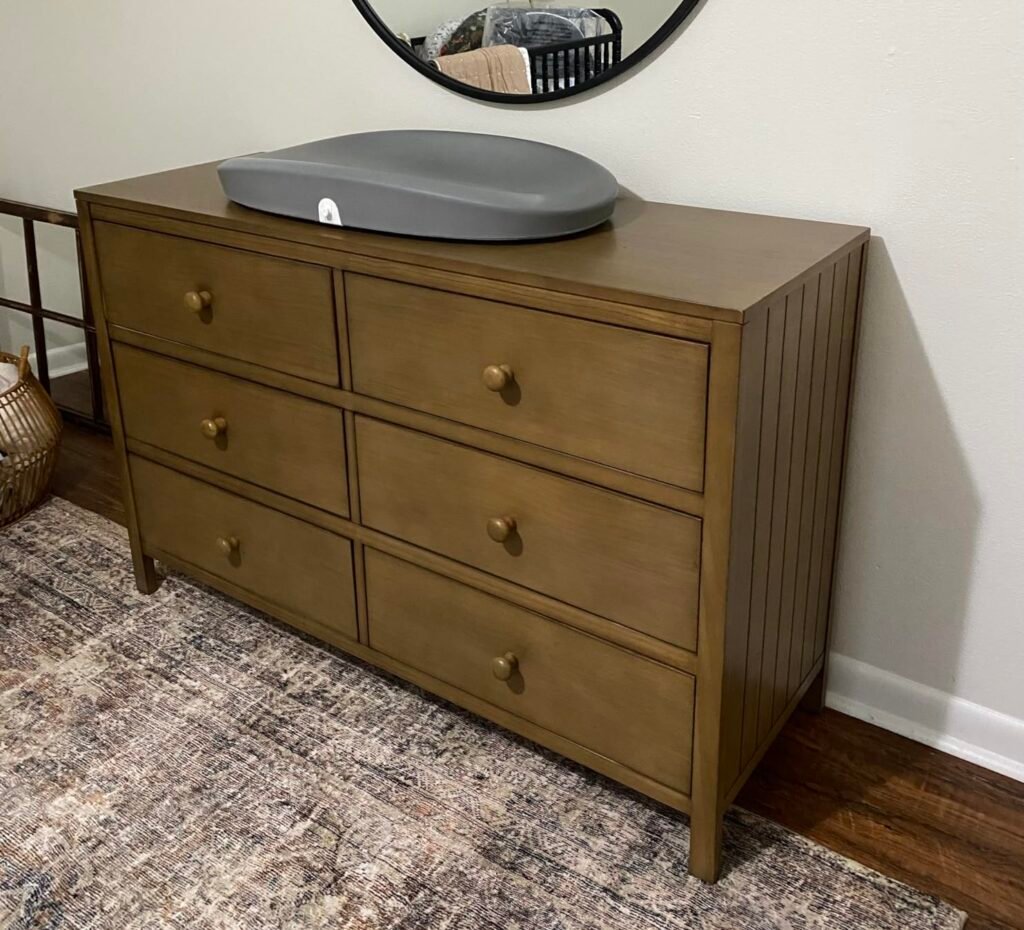
Solid Wood 6 Drawer Dresser: Weight Distribution
In a 6 drawer dresser, weight distribution is balanced across a wider frame. This reduces tipping risk and increases surface stability for decor or mirrors.
Wide dresser benefits:
Stable base
Even load spread
Accessible storage
Low center of gravity
This configuration suits primary bedroom use.
Solid Wood Tall Dresser: Vertical Engineering
Tall dressers require careful structural design because height increases tipping risk. Quality tall dressers use reinforced side panels and stable bases.
Stability features include:
Thick vertical supports
Anchoring capability
Balanced drawer weight
Solid back panel
Proper anchoring improves safety in homes with children.
Hardware Quality in Solid Wood Dressers
Drawer pulls and hinges affect long-term usability. Quality hardware supports repeated opening cycles without loosening.
Hardware considerations:
Solid metal pulls
Secure screw mounts
Smooth glide rails
Durable finishes
Hardware can be replaced to refresh style.
Surface Finish Protection
Finishes protect wood from moisture and wear. Different finishes provide varying levels of protection.
Finish durability types:
Lacquer → hard protective layer
Polyurethane → high durability
Oil finish → natural look
Paint → sealed surface
Protective finishes preserve appearance and structure.
Solid Wood vs Engineered Wood Comparison
Key structural differences:
Solid wood:
Natural fibers
Repairable
Heavy
Long lifespan
Engineered wood:
Compressed particles
Limited repair
Lightweight
Shorter lifespan
This explains why solid wood furniture often costs more but lasts longer.
Environmental and Sustainability Considerations
Solid wood furniture can be environmentally responsible when sourced from managed forests. Natural wood is biodegradable and repairable, reducing replacement frequency.
Longevity reduces waste compared with disposable furniture.
Placement and Room Integration
Solid wood dressers integrate well into bedroom layouts due to their visual warmth and material texture.
Placement tips:
Against structural wall
Level flooring
Adequate drawer clearance
Balanced decor weight
Proper placement preserves stability.
Long-Term Value of Solid Wood Furniture
Because solid wood dressers can be refinished, repaired, and restyled, they often remain functional across decades and changing decor styles.
Long-term value includes:
Refinishing ability
Style adaptability
Structural durability
Resale potential
This makes solid wood furniture an investment piece.
Extended Conclusion
Solid wood dressers combine natural material strength, durable joinery, and long-term repairability to provide reliable bedroom storage across years of use. Features such as dovetail drawers, reinforced frames, stable bases, and protective finishes contribute to structural integrity and daily usability. Whether configured as a wide 6 drawer dresser, a space-saving tall dresser, or a painted white finish piece, solid wood construction offers lasting stability and aesthetic flexibility.
With proper care and placement, a solid wood dresser can remain a functional and attractive furniture element through decades of changing needs and interior styles.
Choosing the Right Storage Piece for Bedroom Organization
Bedroom storage furniture plays an essential role in maintaining order and functionality in daily life. A well-designed drawer unit provides structured compartments for clothing, linens, and personal items while keeping surfaces uncluttered. Selecting the right piece involves evaluating room layout, storage needs, and long-term durability rather than focusing only on appearance.
Effective clothing storage furniture should balance capacity and accessibility. Shallow drawers suit small garments and accessories, while deeper compartments accommodate sweaters or folded textiles. Matching drawer depth to item type improves organization efficiency and prevents overcrowding.
Understanding Wood Grain and Appearance
Natural timber furniture displays visible grain patterns formed by tree growth rings and fiber direction. These patterns vary by species and cutting method, creating unique visual character in each piece. Straight grain provides a clean, uniform look, while cathedral or swirling grain patterns create decorative movement across panels.
Grain orientation also affects durability. Boards cut along stable grain directions are less prone to warping over time. Consistent grain alignment across drawer fronts and panels indicates careful craftsmanship and material selection.
Surface Texture and Tactile Quality
Furniture made from real timber has a tactile warmth and depth that differs from synthetic materials. Slight variations in surface texture, pores, and grain lines create a natural feel when touched. This tactile quality contributes to perceived authenticity and visual richness in interior spaces.
Finishing methods influence texture:
Smooth sealed finishes create a polished feel
Open-pore finishes preserve grain texture
Hand-rubbed finishes enhance depth
These subtle differences affect both aesthetics and maintenance.
Color Aging and Patina Development
Over time, natural materials gradually develop patina — a soft change in tone caused by light exposure and oxidation. Rather than deterioration, this aging often enhances visual character, producing warmer hues and richer depth.
Light-colored timber may deepen slightly, while darker species develop subtle highlights along edges and grain lines. This natural evolution adds individuality and can make furniture more visually appealing with age.
Drawer Organization Strategies
Effective storage relies not only on furniture structure but also on internal organization. Dividing compartments into functional zones prevents clutter and simplifies daily use.
Organization methods include:
Folded clothing stacks by category
Small bins for accessories
Section dividers for undergarments
Seasonal rotation zones
Structured arrangement improves accessibility and maintains tidiness over time.
Interior Linings and Protection
Some drawer interiors include lining materials such as felt, fabric, or aromatic wood panels. Linings protect delicate items and reduce friction during opening and closing.
Benefits of interior lining:
Scratch prevention
Fabric protection
Reduced shifting
Moisture buffering
These features enhance usability for clothing storage.
Weight Distribution and Top Surface Use
Bedroom drawer units often support decorative or functional items on the top surface, such as mirrors, lighting, or personal accessories. Proper weight distribution prevents stress concentration and maintains structural alignment.
Even placement across the surface reduces long-term strain. Concentrating heavy objects in one corner may increase load on a single support point. Balanced placement preserves stability.
Anchoring and Safety Considerations
Tall or narrow storage units can become unstable if heavily loaded or improperly placed. Anchoring to a wall improves safety, especially in households with children or pets.
Anchoring benefits:
Tip prevention
Load stabilization
Earthquake or movement safety
Long-term alignment
Secure installation ensures safer daily use.
Environmental Conditions and Material Care
Natural timber responds to humidity and temperature. Stable indoor environments preserve shape and finish quality.
Recommended conditions:
Moderate humidity
Avoid direct sunlight
Distance from heating vents
Dry placement
Extreme dryness or moisture can cause expansion or contraction. Consistent climate maintains structural stability.
Refinishing and Restoration Potential
One advantage of natural timber furniture is the ability to restore surface appearance through refinishing. Light sanding and new finish application can remove scratches, stains, or worn areas.
Restoration options:
Surface sanding
Re-staining
Repainting
Finish renewal
This capability extends furniture lifespan far beyond disposable alternatives.
Hardware Updates and Style Refresh
Drawer pulls and knobs strongly influence visual style. Replacing hardware can transform appearance without replacing the entire furniture piece.
Style changes may include:
Modern metal pulls
Vintage knobs
Minimalist handles
Decorative hardware
Hardware updates allow adaptation to evolving interior design trends.
Long-Term Bedroom Layout Planning
Storage furniture should align with room traffic flow and accessibility. Placement should allow comfortable drawer opening and walking clearance.
Layout principles:
Maintain walkway space
Avoid door obstruction
Align with wall lines
Balance room proportions
Thoughtful placement improves both function and aesthetics.
Multi-Generational Durability
Well-constructed timber furniture often remains usable across decades, sometimes passing between generations. Durability combined with repairability allows continued use even as decor styles change.
Long lifespan advantages:
Reduced replacement cost
Environmental sustainability
Sentimental value
Structural reliability
Durable furniture becomes a long-term household asset.
Final Addition
Bedroom drawer furniture crafted from natural timber offers structural stability, tactile warmth, and long-term repair potential that surpasses many synthetic alternatives. Understanding grain patterns, internal organization, finish aging, and environmental care helps maintain both appearance and function over time. With proper placement, balanced loading, and occasional restoration, a well-built storage piece can remain a practical and attractive element of bedroom organization for decades.